AFCON 2027 Kilimanjaro Climbing Expedition Tanzania
Use this article as a practical guide for planning your Tanzania journey with Mbega African Safaris.
AFCON 2027 Kilimanjaro Expedition: From the Rainforest to the Roof of Africa
Experience African Football and Climb Mount Kilimanjaro in Tanzania
The TotalEnergies CAF Africa Cup of Nations PAMOJA 2027 will bring the excitement of African football to East Africa, with Tanzania, Kenya and Uganda preparing to welcome supporters, teams and visitors from across the continent and around the world. For travellers planning to attend the tournament, the experience can extend far beyond the football stadium. Tanzania offers an opportunity to combine the energy of AFCON 2027 with an unforgettable mountain adventure on Mount Kilimanjaro, Africa’s highest mountain.
Mbega African Safaris invites football supporters, adventure travellers, couples, families and groups of friends to consider adding a Kilimanjaro climbing expedition to their Tanzania holiday. Imagine spending time enjoying the tournament atmosphere, meeting supporters from different countries, experiencing Tanzanian hospitality and then travelling to the foothills of Kilimanjaro to begin a journey through tropical rainforest, open moorland, dramatic volcanic terrain and the cold high altitude environment surrounding Uhuru Peak.
Standing at 5,895 metres above sea level, Mount Kilimanjaro is one of Africa’s most recognised natural landmarks. It rises above the surrounding landscape in northern Tanzania and offers a trekking experience unlike an ordinary mountain walk. The changing altitude creates distinct ecological zones, and each stage of the climb reveals a different side of the mountain. The journey begins among forest vegetation and gradually leads into open highlands, rocky slopes and the extraordinary summit environment of Kibo.
The idea behind the AFCON 2027 Kilimanjaro expedition is simple. Enjoy the football, experience Tanzania and give yourself the opportunity to stand at the highest point in Africa. Rather than returning home immediately after the final match you attend, you can extend your visit with a properly planned mountain expedition and experience another remarkable part of East African life.
Come for AFCON. Stay for Kilimanjaro.
With Mbega African Safaris, your travel arrangements can be planned around your football schedule, available holiday time, preferred climbing route and personal travel budget. Whether you are considering a private expedition with friends or a small group climbing experience, the objective is to create a practical itinerary that gives you time to prepare, enjoy the mountain and experience northern Tanzania.
1. Why Combine AFCON 2027 with Mount Kilimanjaro?
AFCON is one of the major events in African sport. The tournament brings together national teams, passionate supporters, cultural experiences and the shared excitement of following football at an international level. The 2027 edition is particularly significant because three East African countries will jointly host the competition.
For international visitors, this creates an opportunity to plan a holiday around more than one interest. Football can become the starting point for a broader journey through Tanzania, combining sport, nature, local culture and outdoor adventure.
Mount Kilimanjaro is an especially attractive addition because it offers a completely different experience from a football match. A stadium is full of movement, conversation, music and anticipation. On the mountain, the experience becomes quieter and more personal. You concentrate on the trail, your breathing, the changing weather and the next stage of the journey.
The contrast is part of what makes this combination memorable.
You might begin your Tanzanian holiday surrounded by supporters wearing national colours and celebrating their teams. A few days later, you could be walking beneath the forest canopy, listening to birds and following a mountain guide along a trail that gradually climbs away from the lowlands.
As the expedition progresses, the vegetation changes. The air becomes cooler, the landscape opens up and the mountain becomes increasingly dramatic. The final challenge is the summit attempt, when trekkers climb towards Uhuru Peak under the night sky.
Reaching the summit is not guaranteed, and altitude affects every climber differently. Nevertheless, the opportunity to attempt Africa’s highest peak can give your AFCON holiday a powerful personal goal.
A Different Kind of Tanzania Holiday
A conventional tournament trip might involve attending matches, staying in hotels, enjoying restaurants and exploring the host city. Adding Kilimanjaro introduces a more active dimension.
You can experience Tanzania as a destination for international sport and as a country of extraordinary natural diversity. The northern region is known for its mountain scenery, wildlife areas, local communities and access to a range of outdoor experiences.
Depending on your available time, you may also consider a safari in Tarangire National Park, a wildlife experience in the Ngorongoro Conservation Area or additional days exploring the Moshi and Arusha areas. Travellers with longer holidays may consider extending their journey to Zanzibar for time on the coast.
The best combination depends on your match schedule, arrival airport, budget and the number of days available. Kilimanjaro should be planned as a major expedition rather than squeezed into a short gap between important matches.
One Holiday, Two Extraordinary Experiences
The AFCON tournament and a Kilimanjaro expedition offer different kinds of achievement.
At a match, you share the excitement of the game with thousands of other people. On Kilimanjaro, you experience the satisfaction of moving through several mountain environments and working towards a demanding personal objective.
The journey can become an opportunity to celebrate a special occasion, travel with friends, challenge yourself physically or create a lasting memory of East Africa.
For supporters visiting Tanzania in 2027, this combination offers a compelling reason to extend a football trip into a wider adventure.
2. Understanding AFCON PAMOJA 2027 and Your Tanzania Travel Plans
The 2027 Africa Cup of Nations, officially known as TotalEnergies CAF AFCON PAMOJA 2027, is scheduled to take place from 19 June to 17 July 2027. Tanzania, Kenya and Uganda are the co hosts, making this a historic tournament for the region.
PAMOJA is a Swahili word meaning together. It reflects the spirit of cooperation behind an event shared by three neighbouring countries with connected histories, cultures and regional identities.
For visitors, the multi country format means that careful planning is important. A traveller attending a match in Tanzania may have different transport requirements from someone travelling between matches in Kenya or Uganda. Match locations, ticket arrangements, flight schedules and accommodation availability can affect the overall itinerary.
Mbega African Safaris recommends checking official tournament announcements before confirming travel dates. Do not assume that every major match will take place in the same city or that the opening match and final will be held at a particular stadium until the relevant details have been confirmed.
Plan Your Climb Around Your Match Calendar
Kilimanjaro climbing requires several consecutive days. Most summit itineraries take approximately five to nine days, depending on the route and schedule, with longer itineraries generally providing more time for acclimatization. The full holiday also needs to account for arrival, equipment checks, preparation, descent and recovery.
If your main objective is to attend particular AFCON matches, identify those dates first. Then consider placing the mountain expedition before or after the matches, depending on your schedule.
For example, a supporter who has a flexible holiday after the group stage may choose to travel to northern Tanzania after attending selected matches. Another visitor may decide to climb before attending a later match, provided there is enough time for descent, recovery and travel.
The important point is to avoid booking a summit attempt that ends immediately before a match you cannot afford to miss. Mountain weather, altitude symptoms, transport delays and the physical demands of trekking can affect your plans.
Allow a realistic buffer between climbing and important tournament commitments. The exact number of recovery days should reflect your route, fitness, how you feel after descending and your onward transport arrangements.
Travel Between Tournament Locations and Northern Tanzania
Northern Tanzania is served by Kilimanjaro International Airport, commonly abbreviated as JRO, as well as Arusha Airport for certain domestic services. Moshi is a principal base for Kilimanjaro expeditions, while Arusha is an important gateway for northern Tanzania safaris.
The appropriate airport depends on your wider itinerary and available flights. If you are already travelling in Tanzania, a transfer from your match destination may be more practical than returning to an international airport unnecessarily.
Visitors coming from Kenya or Uganda should confirm current cross border requirements, flight schedules and entry documentation before making their arrangements. International travellers should also check Tanzania's current visa requirements and any relevant health or travel advisories for their nationality.
Mbega African Safaris can help you plan the Tanzanian portion of your holiday, including airport transfers, accommodation arrangements, mountain preparation and the climbing expedition. Requests involving multiple countries should be coordinated with the relevant transport and accommodation providers.
Make the Mountain the Main Event
Although AFCON provides the inspiration for this trip, Kilimanjaro deserves adequate time and preparation. The mountain is not a casual day excursion, and reaching Uhuru Peak involves sustained physical effort at high altitude.
Your itinerary should leave room for proper acclimatization, rest and safety decisions. A longer, carefully designed climbing programme is generally preferable to choosing the shortest possible itinerary simply to save time.
The best holiday is not the one that fits the largest number of activities into the fewest days. It is the one that gives you enough time to enjoy each experience without creating unnecessary pressure.
3. Mount Kilimanjaro: The Roof of Africa
Mount Kilimanjaro stands at 5,895 metres above sea level, making it the highest mountain in Africa and the world's tallest free standing mountain above sea level. Located in northern Tanzania, it is a defining feature of the region and one of the continent's most recognisable mountain destinations.
Unlike many famous peaks that require technical mountaineering, Kilimanjaro can be climbed by trekking routes with the support of a licensed mountain operator and qualified guides. However, the absence of technical climbing requirements does not make the expedition easy. The altitude, cold temperatures, long walking days and summit night can be physically and mentally demanding.
The summit is called Uhuru Peak and lies on the Kibo volcanic cone. Another prominent summit area is Mawenzi, a rugged volcanic formation with steep ridges and dramatic rock features. Shira, an older volcanic structure, forms a broad plateau that provides some of the mountain's most distinctive scenery.
The mountain's great appeal comes from the way it rises above the surrounding plains and passes through different environments within a relatively short geographical distance.
A Mountain of Changing Landscapes
The lower slopes receive more moisture and support forest vegetation. As trekkers ascend, the forest gives way to heath and moorland, where open views and unusual highland plants become increasingly common.
Higher up, the terrain becomes drier and more exposed. The alpine desert has sparse vegetation, volcanic rock and significant temperature changes between day and night. Near the summit, the environment is cold, windy and potentially severe.
This transformation gives Kilimanjaro an unusual character. You do not simply follow a trail to a higher point. You move through a succession of environments, each with its own appearance and physical demands.
For visitors accustomed to warm weather at sea level, the change can be striking. A morning may begin in relatively mild forest conditions before the trail climbs into a landscape where warm sunshine gives way to cold wind and freezing night temperatures.
Why Uhuru Peak Is So Special
Uhuru Peak represents the highest point reached by trekkers on Kilimanjaro's standard summit routes. The name Uhuru means freedom in Swahili, giving the summit additional significance within Tanzania's national identity.
Reaching it usually requires several days of preparation and trekking, followed by a challenging summit attempt that commonly begins around midnight or in the early hours of the morning.
The effort is not only about distance. At high altitude, the body receives less oxygen with each breath, so ordinary movement can become difficult. Trekkers must maintain a slow pace, drink regularly, eat as well as they can and communicate openly with their guides.
If conditions permit and the climber remains well enough to continue, the final section leads towards the summit and its surrounding volcanic landscape. On clear days, the views can extend across the mountain and the plains below.
The summit is a remarkable goal, but safety must always come first. A responsible expedition recognises that turning around may be the correct decision if a climber develops concerning symptoms or conditions become unsafe.
A Mountain for Prepared Trekkers
You do not necessarily need previous high altitude climbing experience to attempt Kilimanjaro. Many trekkers approach it as their first major mountain expedition.
However, you should arrive physically prepared and willing to follow professional advice. The most useful preparation includes regular walking, uphill training, longer hikes, strength and endurance work, and practice carrying a light daypack.
Choosing an appropriate route and duration is equally important. Fitness cannot eliminate altitude sickness, and a strong athlete can still struggle at high elevation.
Mbega African Safaris can help you compare available routes and select an itinerary based on your experience, fitness, available time and personal preferences.
4. From Tropical Rainforest to Alpine Desert
One of the most rewarding aspects of climbing Mount Kilimanjaro is experiencing the mountain's changing ecological zones. The journey begins in a green environment and gradually enters landscapes that look increasingly remote and volcanic.
The exact experience depends on the route you choose. Machame and Lemosho, for example, provide access to the Shira Plateau and the scenic southern circuit, while Marangu follows a different approach and uses mountain huts.
The Montane Rainforest
The rainforest is the first major environment encountered on several of Kilimanjaro's popular routes. Here, the trail passes through dense vegetation, tall trees, moss covered trunks and damp forest undergrowth.
The forest often feels sheltered compared with the open slopes above it. Moisture, mist and changing light create an atmosphere that can make the first day especially memorable.
The soundscape is different from the environments higher on the mountain. Birds and insects may be heard among the vegetation, and trekkers may notice signs of wildlife along the trail. Black and white colobus monkeys and blue monkeys occur in the mountain's forest habitats, although sightings are never guaranteed.
The trail may be muddy after rainfall, and roots and stones can make walking more demanding than expected. Good footwear and careful attention to the guide's instructions are important.
The rainforest is also a reminder that Kilimanjaro is a living ecosystem rather than simply a summit challenge. Staying on designated paths, avoiding litter and respecting wildlife help protect the mountain for future visitors.
Heath and Moorland
As the trail climbs, the forest gradually becomes thinner and gives way to heath and moorland. The scenery opens, the trees become smaller and the landscape reveals broader views of ridges and valleys.
Depending on the route and elevation, trekkers may see giant heathers, highland shrubs, grasses and unusual plants adapted to the mountain climate. Giant groundsels and lobelias are among the distinctive plants associated with Kilimanjaro's higher vegetation zones.
This transition can feel dramatic. The enclosed forest trail becomes an open mountain path, and the summit may appear through gaps in the clouds.
Temperatures can vary considerably during the day. Sunshine may feel warm while the wind creates a chill, especially during rest stops. Layered clothing makes it easier to adjust to changing conditions.
The Shira Plateau
On routes that cross the Shira Plateau, trekkers encounter a broad highland landscape shaped by the mountain's volcanic history.
The plateau is an ancient volcanic feature, and its open terrain creates impressive views towards Kibo and the surrounding mountain landscape. Instead of walking through continuous forest, you move across open ground with scattered vegetation, volcanic formations and distant ridges.
The scenery here is expansive. The scale of Kilimanjaro becomes easier to appreciate because there are fewer tall trees to interrupt the view.
Weather can change quickly, and cloud may obscure the summit for part of the day. When conditions are clear, however, the plateau can provide outstanding opportunities for photography and quiet moments of reflection.
The Shira Plateau is not part of every Kilimanjaro route, so travellers who particularly want to experience it should consider this when selecting their itinerary.
The Alpine Desert
At greater elevations, vegetation becomes sparse and the landscape increasingly resembles a rocky desert. The alpine desert is exposed to strong sunlight during the day, cold temperatures at night and significant changes in weather.
Water and shelter are limited compared with the forest zone. The terrain is often dominated by volcanic rock, loose gravel and broad open slopes.
The environment may appear barren at first, but its stark beauty is part of Kilimanjaro's appeal. The lack of dense vegetation allows the mountain's geological features to become more prominent.
Trekkers need to protect themselves from ultraviolet radiation even when temperatures are low. Sunglasses, sunscreen, suitable clothing and regular hydration remain important.
The Summit Environment
The highest part of the mountain is cold and exposed. Depending on conditions and the season, trekkers may encounter frost, ice, snow, strong winds and very low temperatures.
The summit environment is a sharp contrast to the rainforest encountered several days earlier. The body is working at high altitude, and the route demands patience rather than speed.
At this stage, the focus is on moving steadily, following the guide and monitoring how everyone is coping. Photography and celebration should never distract from safe movement around the summit area.
The journey through these environments is one of the reasons Kilimanjaro remains such a compelling destination. Each stage contributes to the overall experience, even if the summit ultimately proves beyond a particular climber's safe limits.
5. Choosing the Right Kilimanjaro Route for AFCON 2027
Selecting the right route is one of the most important decisions when planning a Kilimanjaro expedition. Routes differ in scenery, duration, accommodation, difficulty and acclimatization profile.
There is no single route that is ideal for every traveller. Someone with a flexible holiday may prefer a longer itinerary with more time to adapt to altitude, while a traveller with limited time may need to compare the practical trade offs carefully.
The following options are useful starting points for AFCON visitors planning a climb with Mbega African Safaris.
Machame Route
The Machame Route is one of the most popular choices for trekkers seeking varied scenery and a camping based expedition. It approaches Kilimanjaro from the south and passes through rainforest, moorland and volcanic landscapes before joining the southern circuit towards the summit.
One of its distinctive features is the opportunity to experience the Shira Plateau, the Lava Tower area and Barranco Valley. The route also includes the famous Barranco Wall, a rocky ascent that requires careful foot placement and guidance.
Machame is commonly offered as a six or seven day itinerary, although a longer schedule may be preferable for trekkers who want additional acclimatization time. The appropriate duration should be selected according to the actual itinerary rather than the route name alone.
This route can suit travellers who enjoy varied landscapes, are comfortable with camping and want a classic Kilimanjaro trekking experience.
Lemosho Route
The Lemosho Route approaches the mountain from the west and is valued for its scenic variety and longer itinerary options. The early stages pass through forest and quieter mountain terrain before the route crosses the Shira Plateau and joins the southern circuit.
Lemosho is frequently offered as a seven or eight day climb. Its longer options provide more time for gradual ascent and can make it an attractive choice for travellers prioritising acclimatization.
The route offers a broad range of landscapes, including forest, open highlands, volcanic terrain and views towards the Kibo summit cone.
For AFCON visitors who can allocate sufficient time to the mountain, Lemosho is worth considering. It should not be chosen solely on claims of guaranteed summit success, because no route can guarantee that an individual will reach Uhuru Peak.
Marangu Route
The Marangu Route approaches from the southeast and is known for its mountain hut accommodation. Unlike camping routes, climbers sleep in designated huts along the established trail.
The route generally takes five or six days, although a longer itinerary can provide additional time for acclimatization. The shorter version may be attractive to travellers with limited leave, but the reduced time at altitude can be a disadvantage.
Marangu follows an out and back approach, meaning the ascent and descent use the same general route. Its accommodation style can appeal to visitors who prefer huts rather than sleeping in tents.
A decision to choose Marangu should take account of the actual daily elevation profile, the total duration and the climber's ability to adapt to altitude.
Rongai Route
The Rongai Route approaches Kilimanjaro from the north, close to the Kenyan border. It offers a different perspective from the southern approaches and may appeal to travellers looking for a less familiar route.
The itinerary passes through changing vegetation and increasingly open mountain terrain before reaching the summit area. Accommodation is generally camping based.
Rongai is often offered over six or seven days, with longer options available depending on the operator and itinerary. Its northern approach can create a different experience of the mountain's scenery and weather exposure.
Travellers should compare the entire programme, including acclimatization days, rather than assume that a route is easier simply because it follows a different side of the mountain.
Northern Circuit Route
The Northern Circuit is a longer route that traverses a broad section of Kilimanjaro. It is known for its extended itinerary and opportunities to experience quieter parts of the mountain.
Because it takes more days, the Northern Circuit may suit travellers who have flexible schedules and want a gradual expedition rather than a compressed climb.
For AFCON visitors, it may be especially attractive if the mountain is the main purpose of the extended Tanzania holiday and the football matches are only one part of a longer trip.
Its duration means it requires careful planning around flights, accommodation and match commitments.
Which Route Should You Choose?
The best route for your AFCON 2027 holiday depends on how many days you have, whether you prefer camping or huts, your previous hiking experience and the amount of time you want to allow for acclimatization.
Machame and Lemosho are strong options to compare for varied scenery and camping based expeditions. Marangu may appeal to travellers who prefer hut accommodation. Rongai and the Northern Circuit offer alternative approaches and itinerary styles.
Before confirming your booking, ask for the full day by day itinerary, sleeping elevations, expected walking times, meals, equipment arrangements and emergency procedures.
Mbega African Safaris can help you assess these details and build a climbing programme that fits your wider travel plans.
6. The Elevation Journey from the Gate to Uhuru Peak
Kilimanjaro's elevation profile is a defining part of the expedition. Each day introduces new physical demands as the trail climbs towards the summit.
A typical Machame itinerary illustrates how elevation changes along the route. The exact elevations and overnight camps vary according to the selected programme, so the following figures are approximate examples rather than a fixed schedule for every climb.
| Location | Approximate elevation |
|---|---|
| Machame Gate | 1,800 metres |
| Machame Camp | 3,000 metres |
| Shira Plateau and Shira Camp area | 3,800 metres |
| Lava Tower | 4,600 metres |
| Barranco Camp | 3,950 metres |
| Karanga Camp | 4,000 metres |
| Barafu Camp | 4,600 metres |
| Stella Point | 5,756 metres |
| Uhuru Peak | 5,895 metres |
The most important detail is that the route does not always increase in elevation from one overnight camp to the next. Trekkers may climb to a higher point during the day and descend to a lower camp for the night.
This is commonly described as climbing high and sleeping low. When incorporated appropriately into an itinerary, this approach can support acclimatization. It does not eliminate the risk of altitude illness, but it can provide a more gradual exposure to increasing elevation than a rushed ascent.
Machame Gate to the Forest Camps
The journey starts at the park gate, where entry procedures and the organisation of the expedition are completed. After the trail begins, trekkers enter the rainforest and follow a steadily rising path towards the first camp.
The first day establishes the pace for the entire expedition. Walking slowly, eating adequately and keeping comfortable are more valuable than trying to cover the trail quickly.
Moving Towards Shira
As the route climbs out of the forest, the trail opens into heath and moorland. The Shira area offers broad views and a noticeable change in vegetation.
The elevation is already high enough for some trekkers to notice differences in breathing or sleep. Guides should monitor the group's condition and encourage climbers to report symptoms rather than hide them.
Lava Tower and Barranco
The ascent towards Lava Tower reaches approximately 4,600 metres on typical Machame and Lemosho itineraries. Trekkers then descend to the Barranco area, often sleeping at around 3,950 metres.
This is a classic example of a climb high and sleep low stage. The descent does not mean that the expedition is moving backwards. It is a deliberate part of the route's elevation profile.
Karanga and Barafu
From Barranco, the trail continues over the Barranco Wall and towards Karanga, before climbing to Barafu Camp.
The environment is increasingly rocky and exposed. Barafu serves as a major staging point for the summit attempt, and trekkers generally rest, prepare their equipment, eat and try to sleep before beginning the final climb.
Stella Point and Uhuru Peak
The summit attempt usually begins at night. The trail climbs gradually towards Stella Point on the crater rim, then continues towards Uhuru Peak.
This is often the most demanding part of the expedition. Darkness, cold, fatigue and altitude combine to make the pace slow.
Reaching Uhuru Peak is a remarkable achievement, but the descent is equally important. Trekkers still need to return to a lower camp and eventually leave the mountain safely.
7. Lava Tower: Understanding Acclimatization on Kilimanjaro
Lava Tower is a prominent volcanic feature on the western side of Kilimanjaro's upper slopes. It is commonly reached during the climb high and sleep low stage of Machame and Lemosho itineraries.
At approximately 4,600 metres, the area gives trekkers a first significant experience of the mountain's high altitude environment. The landscape is rocky and exposed, with relatively little vegetation compared with the lower slopes.
The importance of Lava Tower is not only visual. It is also associated with the way many itineraries manage increasing altitude.
Why Acclimatization Matters
At high altitude, the atmospheric pressure is lower, which means each breath provides less oxygen than it would at sea level. The body needs time to adjust to this change.
People respond differently. One climber may feel relatively comfortable at a particular elevation while another develops a headache, nausea, dizziness or unusual fatigue.
Physical fitness does not provide complete protection against altitude illness. Even experienced hikers can experience symptoms, and no guide or operator can promise that a trekker will remain unaffected.
Climb High and Sleep Low
A route that climbs to a higher elevation before descending to a lower camp may help the body adapt to altitude exposure. The Lava Tower and Barranco section is a well known example.
The purpose is not to test how much discomfort a climber can tolerate. It is to follow a planned elevation profile while allowing guides to assess the group's condition.
A responsible itinerary also includes a controlled pace, adequate hydration, regular meals and opportunities for rest. These measures support the overall plan, but they cannot replace medical assessment or guarantee safety.
Report Symptoms Early
Trekkers should tell their guide if they develop a headache, nausea, dizziness, loss of appetite, unusual weakness or other concerning symptoms.
Symptoms that become severe, worsen or occur with confusion, loss of coordination, breathlessness at rest or other serious signs require urgent action. High altitude emergencies can be life threatening.
The appropriate response may involve stopping ascent, arranging a descent and obtaining medical assistance. Guides should never pressure a climber to continue simply because the group is close to a camp or summit.
For AFCON visitors, this principle is particularly important. A football schedule should never take priority over a safe climbing decision.
8. Barranco Wall: A Memorable Section of the Expedition
The Barranco Wall is one of the best known features on the Machame and Lemosho routes. Rising above the Barranco Valley, it creates a dramatic transition between the camp below and the trail towards Karanga.
From the valley, the wall may look intimidating. However, the established trail follows a series of rocky sections that trekkers navigate with guidance from their mountain team.
The experience is different from walking along a wide, gentle path. Some sections require careful foot placement, balance and attention to the person ahead. Trekkers should follow the guide's instructions and avoid rushing.
What Makes the Wall Special?
The Barranco Wall provides a sense of progression. After several days of trekking through forest, moorland and volcanic terrain, climbers encounter a more concentrated rocky ascent that demands focus.
Once above the wall, the views across the surrounding ridges and valleys can be spectacular. Kibo dominates the horizon, reminding trekkers of the summit objective still ahead.
The experience also demonstrates why Kilimanjaro should not be described as an effortless walk. Although technical mountaineering equipment is not normally required on the standard trekking route, sections can be exposed and physically demanding.
How to Prepare for the Barranco Wall
A reasonable level of fitness helps, but the most important habits on the wall are patience and controlled movement.
Wear suitable hiking boots with good grip, keep your hands available when needed and follow the guide's instructions about where to place your feet. Trekking poles can be useful on other sections of the route, although guides may advise carrying or stowing them differently where hands are needed.
Do not attempt to overtake other climbers in narrow sections or create unnecessary congestion. Stay attentive and move at a pace that allows you to remain balanced.
For many trekkers, the Barranco Wall becomes one of the most memorable parts of the mountain experience because it combines physical effort with remarkable scenery.
9. The Final Approach to Barafu Camp
After crossing the Barranco Wall, the route continues towards Karanga and later Barafu Camp. The terrain is increasingly exposed, and vegetation becomes limited.
Barafu is one of the principal camps used before the summit attempt on Machame and Lemosho itineraries. At approximately 4,600 metres, it provides a staging point from which trekkers prepare to climb towards the crater rim and Uhuru Peak.
The camp is not a place to treat as an ordinary overnight stop. The altitude can affect appetite, sleep and general comfort, and temperatures can fall sharply.
Preparing for Summit Night
After arriving at camp, trekkers generally have a meal, organise their summit clothing and equipment, refill water supplies and receive a briefing from their guide.
Rest is important, although sleep may be difficult at altitude. Keeping warm and eating what you can tolerate can help you prepare for the long night ahead.
Your headlamp should be working, spare batteries should be accessible and essential items should be packed before bedtime. Cold weather clothing should be organised so that you do not need to search through your bag in darkness.
The guide will explain the expected pace, route conditions and communication procedures. Listen carefully and ask questions if anything is unclear.
The Importance of the Team
A Kilimanjaro expedition depends on the combined effort of the climbers and mountain crew. Guides monitor progress and conditions, while support staff help organise camp life and logistics.
Travellers should communicate openly about fatigue, symptoms, equipment problems and concerns. Honest communication helps the team make better decisions.
Barafu marks the transition from the multi day approach to the final summit attempt. The mountain has already demanded patience and endurance, and the next stage requires even more care.
10. Summit Night: The Journey to Uhuru Peak
The summit attempt is often the most anticipated part of a Kilimanjaro expedition. After several days of trekking, climbers leave Barafu Camp during the night and begin the slow ascent towards Stella Point.
Headlamps illuminate the trail, and the group advances gradually across rocky terrain. The darkness limits the view, so the immediate focus is on the path, the guide's instructions and maintaining a steady rhythm.
Walking Through the Night
The night ascent can feel very different from daytime trekking. Temperatures are low, the wind may be strong and the body is already carrying fatigue from previous days.
At high altitude, every step can require more effort. Guides generally encourage a slow pace, often using the Swahili expression pole pole, meaning slowly, slowly.
This is not a race. Moving too quickly can increase fatigue and make it harder to manage the physical demands of the climb.
Trekkers should keep their hands and feet warm, drink regularly and report any worrying symptoms. If a climber is unwell or unable to continue safely, the guide must assess the situation and arrange the appropriate response.
Reaching Stella Point
Stella Point lies on the crater rim at approximately 5,756 metres. Reaching it is a major milestone on the standard southern approach.
By this stage, the body has been exposed to substantial altitude, and the effort of the ascent may feel considerable. The sunrise, when visible, can transform the surrounding landscape as light spreads across the crater and nearby peaks.
However, not every summit attempt experiences clear skies or dramatic sunrise colours. Cloud, wind and weather conditions can affect visibility.
Trekkers should remain focused on their condition and the guide's instructions rather than treating a particular photograph or viewpoint as the sole objective.
The Final Walk to Uhuru Peak
From Stella Point, the trail continues towards Uhuru Peak along the crater rim. Although the remaining distance may appear modest on a map, the altitude makes this final section demanding.
Progress can be slow. Trekkers need to conserve energy and remain aware of changing symptoms and conditions.
For those who safely reach the summit, the moment can be deeply rewarding. Uhuru Peak marks the highest point in Africa, and the surrounding volcanic landscape provides a powerful setting for reflection and photographs.
Some climbers celebrate with their group, others take a quiet moment to appreciate the achievement. After the effort of the previous days, even a short time at the summit may feel extraordinary.
The Descent Is Part of the Summit Day
Reaching the summit is not the end of the expedition. Trekkers must descend to a lower camp, often after a long and tiring night.
The descent can place additional demands on the legs and knees, and fatigue may affect concentration. Appropriate footwear, controlled movement and attention to the guide are essential.
The team may need to adjust the pace or make other decisions depending on the group's condition and weather.
A successful expedition is not defined only by standing at Uhuru Peak. It also means making sound decisions, respecting the mountain and returning safely.
11. Preparing Physically for Your Kilimanjaro Climb
Preparation should begin well before your AFCON 2027 holiday. Kilimanjaro is a trekking expedition, and although you do not necessarily need technical climbing experience, you should be comfortable with sustained walking over consecutive days.
A good preparation plan develops endurance, leg strength, balance and confidence on uneven ground.
Build Your Walking Endurance
Begin with regular walks and gradually increase their duration. Include hills or stair climbing when possible, because the mountain involves sustained ascent and descent.
Longer hikes are useful for practising your pace and learning how your body responds to several hours of activity. If you have access to trails with uneven surfaces, use them to develop balance and familiarity with your footwear.
Increase the workload gradually rather than making sudden changes that could cause injury.
Improve Strength and Stability
Exercises that develop leg strength and core stability can help you manage long trekking days. Depending on your ability, useful exercises may include step ups, controlled squats, lunges, calf raises and balance work.
Choose exercises appropriate to your fitness level and seek professional advice if you are unsure how to begin.
The objective is not to become a competitive athlete. It is to develop the capacity to walk steadily for several days while carrying a manageable daypack.
Practise with Your Equipment
Use your intended hiking boots or shoes during training so that you can identify rubbing, discomfort and fit problems before departure.
Practise carrying the daypack you expect to use on the mountain. It should contain essential personal items without becoming unnecessarily heavy.
Test your clothing layers, waterproof jacket, gloves and other equipment in realistic conditions. It is much better to discover that a jacket does not fit properly at home than during a cold mountain afternoon.
Prepare Mentally as Well as Physically
Kilimanjaro requires patience. Walking days may be long, weather may change and sleep may be interrupted. The summit attempt can involve many hours of slow movement in darkness.
A flexible attitude helps you respond to these challenges. Focus on the day's objective rather than constantly comparing your progress with other climbers.
Understand that turning around can be the correct decision if your health or safety requires it. Summit success is never worth ignoring a serious warning sign.
Discuss Health and Medication Before Travel
Consult a qualified healthcare professional before undertaking a high altitude expedition, particularly if you have existing health concerns, take regular medication or have not previously travelled to high elevation.
Ask about any personal risks, vaccinations or travel health requirements relevant to your itinerary. If altitude related medication is appropriate, it should be discussed with a qualified clinician rather than started solely on the recommendation of another traveller.
Bring sufficient personal medication and keep it accessible according to your medical needs.
12. What to Pack for the AFCON 2027 Kilimanjaro Expedition
Packing for Kilimanjaro requires a balance between warmth, weather protection, comfort and weight. Conditions can range from humid forest trails to freezing summit temperatures, so clothing must be adaptable.
Your exact equipment list will depend on the route, season, accommodation arrangements and the support provided by your operator.
Clothing for Different Mountain Zones
Layering allows you to adjust clothing as temperatures and activity levels change. A practical system includes moisture managing base layers, insulating mid layers and an outer shell that protects against wind and rain.
Warm gloves, a suitable hat, thermal clothing and insulated summit layers are important because the upper mountain can be extremely cold. Waterproof trousers and a waterproof jacket help protect you during rain and wind.
Avoid relying on a single heavy garment for every condition. Several suitable layers generally provide greater flexibility.
Footwear and Personal Comfort
Comfortable, well fitted hiking boots with good traction are essential. Break them in before travel and test them on longer walks.
Bring suitable hiking socks, spare pairs and any blister care products you know work for you. Personal toiletries, a small towel and any required medication should also be included.
Trekking poles can help some walkers on steep ascents and descents. They should be selected and adjusted before the expedition rather than first used on the mountain.
Equipment for Summit Night
A reliable headlamp is essential for the night ascent. Carry spare batteries or an appropriate charging solution and ensure you can operate the light while wearing gloves.
Protect electronic equipment from moisture and cold. Keep your phone and camera secure, and remember that battery performance can decrease in low temperatures.
Sunglasses and sunscreen remain important even when the air is cold, because exposure to ultraviolet radiation increases at altitude.
Drinking Water and Daypack Essentials
Your daypack should hold the items you need while walking, including water, snacks, rain protection, extra layers and personal essentials.
Follow your guide's advice about water quantities and treatment. Hydration is important, but drinking excessively beyond your needs is not a substitute for acclimatization or medical assessment.
The support arrangements for carrying larger bags vary. Confirm what the operator provides, what porters carry and which items must remain in your personal daypack.
Packing for AFCON and the Mountain
You will also need clothing and personal items for the football tournament, travel days and time in Moshi or other Tanzanian destinations.
Keep your mountain equipment organised separately from your match clothing. If you are travelling between several countries, make sure that important documents, medication and essential equipment remain accessible.
Mbega African Safaris can provide a route specific packing checklist during the planning process so that you can prepare according to your actual itinerary.
13. Best Time to Climb Kilimanjaro During AFCON 2027
AFCON 2027 is scheduled for June and July, which overlaps with one of the commonly preferred periods for climbing Kilimanjaro. These months generally fall within the drier season, although mountain weather is variable and conditions cannot be guaranteed.
June can bring cooler conditions, particularly at higher elevations, while July is often a popular month for trekking. The actual experience depends on the weather, route, altitude and conditions during your expedition.
June Climbing Conditions
Visitors arriving in June may experience relatively favourable trekking conditions, but rain is still possible, particularly in the forest zone. The upper mountain can be cold, and the summit attempt may involve freezing temperatures and strong winds.
The early part of the tournament may appeal to visitors who want to attend selected matches before travelling to Moshi. Others may prefer to climb first and return for later matches.
Your choice should depend on confirmed match locations and dates, the climbing itinerary and the time required to recover after descending.
July Climbing Conditions
July is also a popular time for Kilimanjaro trekking. Demand may be higher, so visitors should consider arranging their climb and accommodation well in advance.
Because AFCON attracts visitors to the region, travel demand and accommodation availability may vary around important matches and other events.
Do not assume that all hotels, flights or mountain departures will be available at the last minute. Early planning gives you more opportunity to compare routes, accommodation categories and dates.
Is Kilimanjaro Climbable All Year?
Kilimanjaro can be climbed at different times of the year, but weather patterns affect the experience. Rainier periods may create muddy trails, poor visibility and more challenging walking conditions.
The drier periods are popular because they often provide more favourable trekking conditions, but no month offers a guarantee of clear skies or summit success.
For AFCON 2027 visitors, June and July provide a practical opportunity to combine football and climbing. The final decision should be based on the specific dates available, the chosen route and your personal tolerance for changing mountain weather.
14. Where to Stay Before and After Your Climb
Moshi is one of the principal bases for Mount Kilimanjaro expeditions. It provides access to mountain departure points and offers accommodation options for travellers preparing to climb or recovering after the descent.
Depending on your itinerary, you may also spend time in Arusha or stay in another location connected to your wider Tanzania holiday.
Arrive Before the Expedition
Arriving ahead of the scheduled climb gives you time to rest after international travel, meet the mountain team, check your equipment and complete the required preparations.
This is particularly important if you are arriving after attending AFCON matches in another country or city. A tight connection between a late match and a mountain departure can leave you tired and create unnecessary logistical pressure.
Your pre climb arrangements should include sufficient time for transfers, accommodation, equipment checks and the operator's briefing.
Accommodation During the Climb
Accommodation on the mountain depends on the route. Marangu uses designated mountain huts, while Machame, Lemosho and several other routes generally use organised tented camps.
The camping arrangements may include tents, sleeping mats or other support items, depending on the package. Confirm what is provided and what you need to bring or rent.
Conditions are basic compared with hotels, especially at high altitude. The purpose of mountain accommodation is to support the expedition rather than provide a luxury hotel experience.
Rest After the Descent
After several days on the mountain, many trekkers appreciate a shower, a comfortable bed and time to rest.
Plan a recovery period before scheduling demanding travel or important tournament commitments. Some people feel energetic after the descent, while others experience significant fatigue.
Allow your body to recover and make onward travel arrangements that can accommodate reasonable changes if required.
15. Beyond Kilimanjaro: Add a Tanzania Safari
For travellers who have more time, a wildlife safari can complement the mountain expedition. Northern Tanzania is home to several celebrated wildlife destinations, including Tarangire National Park, the Ngorongoro Conservation Area and Serengeti National Park.
A safari offers a different perspective from trekking. Instead of walking for hours across changing mountain terrain, visitors explore wildlife habitats with a professional safari guide and a suitable safari vehicle.
The choice of parks and number of days depends on your budget, travel dates, wildlife interests and the time available after AFCON and Kilimanjaro.
Tarangire National Park
Tarangire is known for its elephants, baobab landscapes and varied wildlife habitats. A game drive can provide opportunities to observe elephants, giraffes, zebras, antelopes and numerous bird species.
Wildlife sightings depend on season, location and natural animal movements. A responsible safari guide will help you understand the environment and observe animals without disturbing them.
Tarangire can be included in a short safari from the Moshi or Arusha area, depending on the overall itinerary and road travel requirements.
Ngorongoro Conservation Area
The Ngorongoro Conservation Area is famous for its volcanic landscape and the wildlife found within the Ngorongoro Crater.
A crater game drive can provide opportunities to see a variety of animals within a relatively concentrated area. However, sightings vary, and no operator can guarantee that every species will be seen.
The conservation area also has cultural and ecological significance. Visitors should follow park rules and respect the local communities and conservation measures in place.
Serengeti National Park
Serengeti National Park is known for its broad grasslands, predators and the movements of wildebeest and other grazing animals. The Great Migration is a natural process whose location changes with rainfall, grazing conditions and animal movements.
If you want to include the Serengeti, allow enough time for the travel involved. A very short safari may require long road transfers or domestic flights, depending on the selected camps and route.
A carefully designed itinerary can help you balance the mountain expedition with wildlife viewing without rushing between destinations.
Zanzibar Beach Holidays
Travellers who want to relax after the mountain may consider extending their stay to Zanzibar. The island offers beaches, coastal accommodation, Stone Town and opportunities to learn about its history and cultural influences.
A beach extension may be especially appealing after the physical demands of Kilimanjaro. However, it adds transport and accommodation costs, so it should be planned according to the available budget and holiday duration.
Choose Experiences That Fit Your Time
It may be tempting to combine AFCON, Kilimanjaro, a multi day safari and Zanzibar in one trip. Such a holiday can be possible with sufficient time, but trying to include everything in a short visit can make the experience unnecessarily stressful.
Prioritise the matches you want to attend and the mountain expedition. Add a safari or beach stay only when your schedule allows enough time to enjoy it.
Mbega African Safaris can help you compare these options and plan a Tanzania itinerary that reflects your interests rather than simply adding as many destinations as possible.
16. What Is Included in a Kilimanjaro Climbing Package?
The inclusions vary by route, number of days, accommodation style and package category. Before booking your AFCON 2027 expedition, request a written itinerary and a clear list of services.
A typical guided climbing package may include the following components, subject to the confirmed quotation.
Mountain Guides and Support Crew
A guided expedition requires an appropriately licensed operator and qualified mountain personnel. The guide leads the trek, monitors progress and helps the group follow the planned route and safety procedures.
Support crew arrangements vary by operator and itinerary. Ask how the crew is organised, what responsibilities each person has and how porter welfare is addressed.
Park Fees and Required Permits
Kilimanjaro National Park charges applicable entry and other fees according to the rules and categories in effect. A quotation should clearly explain which park fees and mandatory charges are included.
Because official fees and regulations may change, request a current breakdown for your travel dates rather than relying on an old online price.
Meals and Drinking Water Arrangements
Mountain packages commonly provide meals during the trekking days, with the precise meal plan stated in the itinerary. Confirm the arrangements for breakfast, lunch, dinner and any special dietary requirements.
Ask how drinking water is obtained, treated and provided. Bring personal water containers appropriate for the expedition.
Mountain Accommodation and Equipment
Depending on the route, accommodation may involve mountain huts or tents. Some packages provide communal dining tents, sleeping equipment and other camp services, while others may require the traveller to rent selected personal items.
Confirm whether sleeping bags, trekking poles, insulated clothing and daypacks are included. Do not assume that all personal equipment is provided.
Transfers and Pre Climb Accommodation
Some packages include transfers between Moshi or another agreed location and the mountain gate. Others may quote these services separately.
Accommodation before and after the climb may also be included or excluded. Your written quotation should distinguish mountain services from hotel stays and airport transfers.
Common Exclusions
International flights, visas, travel insurance, personal equipment, tips, personal purchases and additional accommodation are commonly excluded unless explicitly stated.
Some expenses may also arise if the itinerary changes or additional services are requested.
For clarity, ask Mbega African Safaris for an itemised quotation showing what is included, what is excluded, the deposit requirements, cancellation terms and payment schedule.
17. Responsible Tourism and Respect for Kilimanjaro
A Kilimanjaro expedition should protect the mountain environment and recognise the contribution of the people who make the climb possible.
The mountain's ecosystems are sensitive to waste, trail erosion and careless behaviour. Visitors can help reduce their impact by following designated paths, carrying waste according to the operator's procedures and respecting park regulations.
Protect the Mountain Environment
Do not leave rubbish on the trail or at camps. Follow the mountain team's instructions for disposing of waste and managing personal hygiene.
Avoid damaging vegetation or disturbing wildlife. Photography should never require you to leave the designated trail or interfere with other visitors.
Weather can change quickly, and established routes provide important guidance for safe movement. Do not attempt shortcuts or explore unfamiliar terrain without authorisation.
Respect the Mountain Crew
Guides, cooks, porters and other mountain staff play essential roles in the expedition. Their work involves carrying equipment, preparing camps, organising meals and supporting the climbers.
Ask the operator about its approach to fair treatment, reasonable workloads, suitable equipment and appropriate accommodation for crew members.
Treat every member of the team respectfully. Learn the names of your guides and crew where possible, listen to their instructions and recognise the effort involved in supporting a multi day expedition.
Support Local Communities
Choosing responsible local tourism services can contribute to livelihoods in northern Tanzania. Accommodation, transport, guiding and other services create opportunities for local people and businesses.
Visitors can also show respect by learning a few Swahili greetings and asking permission before taking photographs of people.
Responsible travel is not only about avoiding harm. It is also about appreciating the place you are visiting and recognising that local communities are part of the destination's identity.
18. Safety on Kilimanjaro: Your Wellbeing Comes First
Kilimanjaro is a high altitude mountain, and its risks should be taken seriously. The most important concerns include altitude illness, cold exposure, fatigue, dehydration, changing weather and injuries on uneven terrain.
A professional guide and a carefully planned itinerary help manage these risks, but they cannot remove them completely.
Understand Altitude Illness
Acute mountain sickness can occur when the body has not adapted adequately to increasing altitude. Common symptoms include headache, nausea, dizziness, tiredness and reduced appetite.
More serious altitude illnesses can affect the lungs or brain and may become life threatening. Warning signs can include breathlessness at rest, difficulty walking straight, confusion, unusual drowsiness or a worsening condition.
If you experience concerning symptoms, tell your guide immediately. Do not conceal symptoms because you want to reach the summit.
The appropriate response depends on the symptoms and circumstances, but serious altitude illness requires urgent assessment and may require immediate descent and medical care.
Follow the Guide's Instructions
Your mountain guide is responsible for leading the expedition and responding to conditions on the trail. Follow instructions regarding pace, route choice, rest stops, weather and camp procedures.
Do not separate from the group without informing the guide. Avoid making independent decisions that could place you or other trekkers at risk.
If you feel unwell, communicate clearly. Your safety is more important than keeping up with the group or meeting a planned summit time.
Cold, Rain and Sun Exposure
Kilimanjaro's weather varies between ecological zones. Rain can make trails slippery, while strong sun and wind can create challenges at higher elevations.
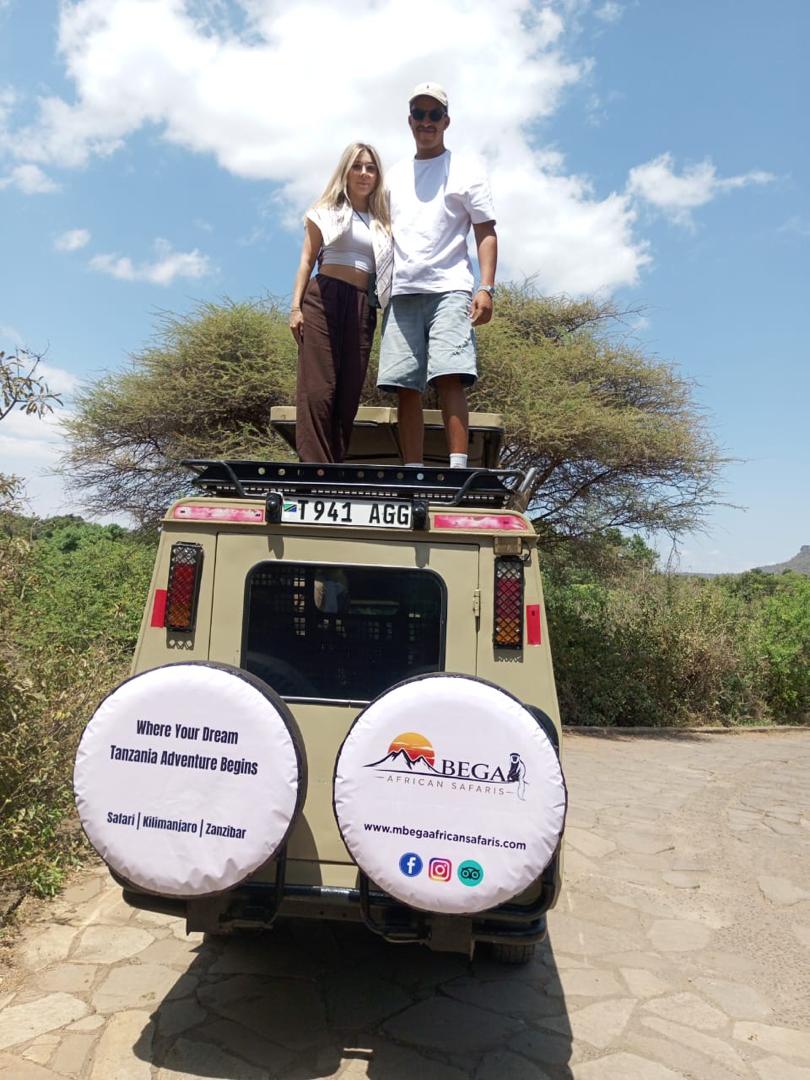
Carry suitable clothing and adjust your layers as conditions change. Protect exposed skin from the sun and keep essential equipment dry.
At night, temperatures may fall below freezing near the summit. Proper insulated clothing, gloves, head protection and suitable footwear are important.
Travel Insurance
Arrange travel insurance that explicitly covers high altitude trekking to the intended elevation and emergency evacuation where available. Read the policy carefully and confirm any restrictions relating to guided climbing, medical conditions and rescue services.
Ordinary travel insurance may not automatically cover every activity or altitude. Confirm coverage before departure rather than discovering an exclusion during an emergency.
Summit Success Is Never Guaranteed
A responsible operator should never guarantee that every climber will reach Uhuru Peak. Fitness, acclimatization, weather and individual health all influence the outcome.
The guide may recommend that a trekker stop ascending or descend for safety reasons. Such a decision should be respected.
The mountain experience remains valuable even when a summit attempt cannot safely continue. Protecting your health and returning safely are more important than achieving a particular altitude.
19. Who Should Consider the AFCON 2027 Kilimanjaro Expedition?
This expedition is suitable for a range of travellers, provided they understand the physical demands and prepare appropriately.
Football Supporters Seeking More Than a Match
If you are travelling to East Africa for AFCON, Kilimanjaro offers a way to extend your holiday into a major outdoor adventure.
You do not need to be a professional athlete or experienced mountaineer, but you should be willing to train, walk for several hours a day and follow a structured high altitude itinerary.
Couples and Friends
Couples and groups of friends may enjoy sharing the preparation and challenges of the expedition. Training together, choosing equipment and working towards a common goal can become part of the experience.
A private climb may provide greater flexibility in arranging the itinerary, although it still needs to follow park rules and appropriate safety procedures.
Adventure Travellers
Travellers interested in landscapes, photography, hiking and outdoor challenges may find Kilimanjaro especially rewarding.
The mountain offers a changing sequence of environments, from forest trails to open volcanic slopes. The summit attempt provides a demanding objective that requires patience and teamwork.
First Time High Altitude Trekkers
Kilimanjaro can be an introduction to high altitude trekking for people who have prepared properly and chosen a suitable itinerary.
First time trekkers should avoid assuming that the mountain is easy because technical climbing skills are not usually required. The altitude is a significant challenge, and a longer itinerary may be a better choice than a compressed schedule.
Travellers with Limited Time
Visitors with a short holiday can still explore climbing options, but the route duration and travel days must be considered realistically.
A shorter itinerary is not automatically the best choice. If your time is too limited to allow a suitable climb, it may be wiser to plan a separate Kilimanjaro holiday rather than compromise the experience.
20. How to Plan Your AFCON 2027 Kilimanjaro Holiday with Mbega African Safaris
Planning begins with understanding your priorities. Some travellers want to attend several matches before climbing, while others want to focus on the mountain and attend selected matches around the expedition.
Mbega African Safaris can help organise the Tanzanian portion of your holiday around your available dates and preferred activities.
Step One: Confirm Your AFCON Plans
Identify the matches you hope to attend, the cities involved and the dates you need to keep free.
Use official tournament announcements to confirm venues and scheduling information. If you are travelling between countries, account for border requirements and transport time.
Step Two: Choose Your Climbing Dates
Decide whether the expedition will take place before or after your selected matches. Allow enough time for arrival, preparation, the full climb, descent and recovery.
Avoid planning an important match or long international journey immediately after the expected summit day.
Step Three: Select Your Route
Compare Machame, Lemosho, Marangu, Rongai and other available options according to duration, accommodation, scenery and acclimatization profile.
Request the full daily itinerary before making a decision. Look at sleeping elevations, expected walking times and the number of days allocated to the climb.
Step Four: Choose Your Accommodation and Service Level
Discuss your preferred accommodation in Moshi or elsewhere in northern Tanzania. Confirm which transfers, meals, equipment and other services are included.
If you want to add a safari or Zanzibar extension, ask for the additional time and cost required.
Step Five: Prepare for the Mountain
Start physical preparation early and obtain appropriate medical advice. Arrange suitable travel insurance, check your equipment and review the packing list with your operator.
Complete your payment and travel documentation according to the confirmed booking terms.
Step Six: Arrive and Attend the Briefing
Once in Tanzania, allow time to rest and prepare. Meet your mountain team, check equipment and review the itinerary, safety procedures and communication arrangements.
During the climb, follow the guide's advice, walk at a controlled pace and report symptoms promptly.
Step Seven: Extend Your Tanzania Experience
After the mountain, consider resting in Moshi or continuing to another destination if your schedule allows.
A wildlife safari or Zanzibar holiday can provide a rewarding conclusion to the trip, provided the additional travel is planned realistically.
21. Frequently Asked Questions About AFCON 2027 and Kilimanjaro
When will AFCON 2027 take place?
The tournament is scheduled to run from 19 June to 17 July 2027. Tanzania, Kenya and Uganda are the co hosts. Travellers should confirm the latest official match schedule and venue announcements before booking.
Can I climb Mount Kilimanjaro during AFCON 2027?
Yes. June and July are commonly used months for Kilimanjaro trekking. Your climbing dates should be selected around your match commitments, travel arrangements and the time needed for a complete expedition.
How high is Mount Kilimanjaro?
Mount Kilimanjaro reaches 5,895 metres above sea level at Uhuru Peak, the highest point in Africa.
How many days are needed to climb Kilimanjaro?
Many standard itineraries take approximately five to nine days, depending on the route and schedule. Longer itineraries may provide additional acclimatization time. The appropriate duration depends on the route, your experience and the programme recommended by the operator.
Which Kilimanjaro route is best for AFCON visitors?
There is no single best route for everyone. Machame and Lemosho offer varied scenery and camping based itineraries. Marangu uses mountain huts, while Rongai and the Northern Circuit provide alternative approaches. Compare the full itinerary and acclimatization profile before booking.
Do I need previous mountain climbing experience?
Technical mountaineering experience is not generally required for the standard trekking routes. However, you should prepare physically, understand the effects of altitude and be comfortable with several consecutive days of walking.
Is reaching Uhuru Peak guaranteed?
No. Summit success depends on many factors, including acclimatization, weather and individual health. A responsible guide may recommend turning around or descending if continuing is unsafe.
Can I climb Kilimanjaro after attending an AFCON match?
Yes, provided your schedule allows enough time for transfers, rest and preparation before the expedition. It is important not to arrive at the mountain exhausted after a demanding travel day.
Can I attend AFCON after climbing Kilimanjaro?
You may be able to attend later matches if your itinerary includes adequate time for descent, recovery and onward travel. Build in a reasonable buffer rather than assuming that the summit day will finish at a precise time.
Is Kilimanjaro suitable for beginners?
It can be suitable for well prepared first time high altitude trekkers. Beginners should select an appropriate route, allow enough acclimatization time and understand that altitude illness can affect even fit individuals.
What should I pack for Kilimanjaro?
Essential equipment generally includes suitable hiking footwear, layered clothing, waterproof protection, warm summit clothing, gloves, a headlamp, a daypack, drinking water containers and personal medication. The complete list depends on the route and the equipment provided by your operator.
Can I add a safari to my Kilimanjaro expedition?
Yes. Tarangire, Ngorongoro and Serengeti are possible additions to a northern Tanzania itinerary. The best option depends on your available days, budget and preferred wildlife experiences.
Can I visit Zanzibar after Kilimanjaro?
Yes. A Zanzibar extension can provide time to rest and enjoy the coast after your expedition. Allow sufficient time and budget for flights, accommodation and other arrangements.
Where does the Kilimanjaro expedition begin?
Most international visitors reach the mountain region through Kilimanjaro International Airport or another appropriate arrival point. Moshi is a major base for climbing preparations and mountain transfers.
What accommodation is available on Kilimanjaro?
Accommodation depends on the selected route. Marangu uses designated huts, while several other routes use organised camps with tents. Confirm the facilities and equipment provided before departure.
Does the climbing package include airport transfers?
This depends on the package. Request a written quotation that clearly identifies airport transfers, hotel accommodation, mountain transport and other included services.
How do I book with Mbega African Safaris?
Contact Mbega African Safaris with your intended travel dates, group size, preferred route and AFCON match plans. The team can help you compare itinerary options and prepare a quotation for the Tanzanian portion of your trip.
22. From AFCON 2027 to the Roof of Africa
The 2027 Africa Cup of Nations will offer visitors an opportunity to experience East Africa through football, culture and shared celebration. For those travelling to Tanzania, the holiday can become even more memorable with a carefully planned expedition to Mount Kilimanjaro.
From the first steps beneath the rainforest canopy to the open moorland, volcanic slopes and high altitude environment surrounding Kibo, the mountain reveals a different landscape at every stage.
The Shira Plateau offers broad views across the highlands. Lava Tower introduces trekkers to the challenges of greater elevation. Barranco Wall provides a memorable rocky ascent, while Karanga and Barafu lead towards the final summit attempt.
The journey to Uhuru Peak is demanding and requires preparation, patience and respect for altitude. It is not simply a question of reaching a particular height. It is about moving through the mountain responsibly, working with your guide and making sound decisions throughout the expedition.
For AFCON supporters, the contrast between the football atmosphere and the quiet of the mountain can create a distinctive holiday. One experience brings people together through sport, while the other challenges you to discover what you can achieve through preparation and perseverance.
Mbega African Safaris can help you plan your Kilimanjaro expedition around your travel dates, route preferences and wider Tanzania holiday. Whether you choose a camping adventure on Machame, a longer scenic climb on Lemosho or another suitable route, the aim is to provide clear arrangements and a well organised trekking experience.
You can also consider extending your stay with a wildlife safari or a Zanzibar beach holiday if you have enough time.
Start with your AFCON plans. Choose a suitable climbing itinerary. Prepare for the mountain. Then set your sights on the summit.
One tournament. One mountain. One unforgettable Tanzania adventure.
Plan your AFCON 2027 Kilimanjaro expedition with Mbega African Safaris and experience the journey from the rainforest to the Roof of Africa.