

Experience Chagga traditions, local coffee, Tanzanian food, village life, markets, crafts and community tourism during your stay in Moshi.
Use this article as a practical guide for planning your Tanzania journey with Mbega African Safaris.
Moshi is widely known as the gateway to Mount Kilimanjaro, but the town and its surrounding villages offer much more than mountain climbing. The Kilimanjaro Region is home to rich cultural traditions, fertile coffee farms, colourful markets and communities with a close connection to the mountain.
The Chagga people are strongly associated with the slopes of Kilimanjaro. Their agricultural knowledge, family traditions and coffee production have helped shape the region. Moshi is also home to Tanzanians from many different cultural backgrounds, making the town an interesting place to experience everyday life, food and language.
Here are some of the best cultural experiences to try during your stay in Moshi.
Join a Chagga Village Tour
A guided Chagga village tour is one of the best ways to learn about life on the slopes of Mount Kilimanjaro.
Village tours are commonly offered around Materuni, Marangu, Machame and other communities near Moshi. The experience may include visits to family farms, traditional homes, coffee gardens and places connected to local history.
Your guide may explain how families grow bananas, coffee, avocados and vegetables in the fertile volcanic soil. You can also learn how people have adapted their farming methods to the mountain environment.
A good village tour should be organised respectfully and with the participation of the local community.
Experience Coffee from Farm to Cup
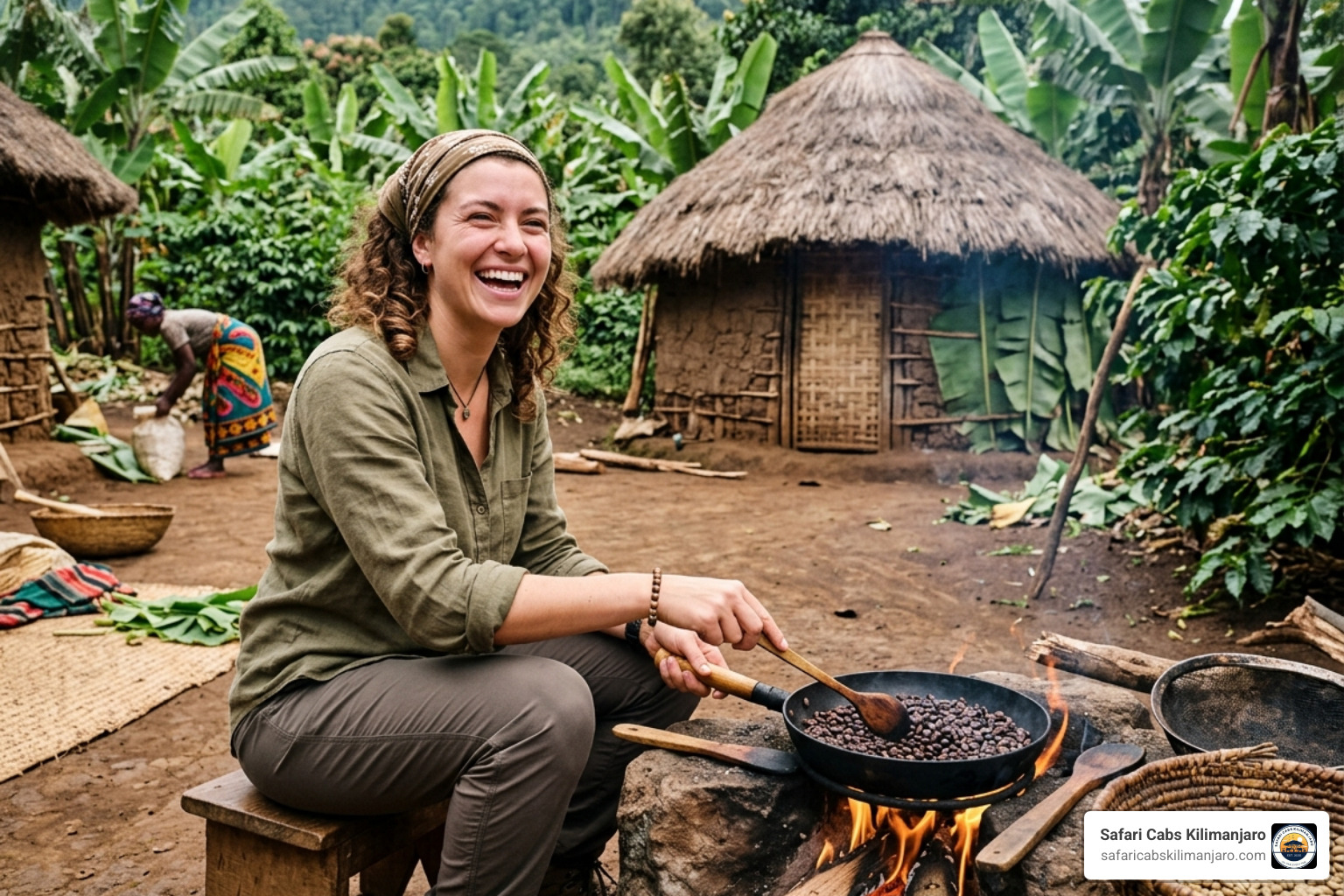
Coffee is an important crop in the Kilimanjaro Region. A farm to cup coffee tour allows you to learn how coffee moves from the plant to the finished drink.
Depending on the season and selected experience, you may participate in:
- Picking ripe coffee cherries
- Removing the outer skin
- Drying the beans
- Roasting coffee over a fire
- Grinding the roasted beans
- Preparing a fresh cup
- Singing traditional coffee songs
Materuni, Marangu and villages around Moshi offer community based coffee experiences.
The tour provides a practical introduction to local agriculture and helps visitors understand the work involved in producing a single cup of coffee.
Visit Materuni Village
Materuni is one of the most popular cultural day trips from Moshi. The village is located on the green foothills of Mount Kilimanjaro and is known for coffee farming, Chagga culture and Materuni Waterfall.
A typical visit may combine a guided village walk, coffee experience, local lunch and waterfall hike.
The trail to the waterfall passes through cultivated land and can become muddy during rainy weather. Wear appropriate shoes and tell your guide if you prefer a less demanding programme.
Materuni is a good choice for travellers who want to combine culture, nature and local food in one day.
Explore Marangu Village
Marangu is closely connected to Mount Kilimanjaro and the Chagga people. It is also the location of Marangu Gate, the starting point for the Marangu climbing route.
A cultural tour may include coffee and banana farms, waterfalls, local historical sites and stories about life on Kilimanjaro’s eastern slopes.
Marangu is especially suitable for travellers interested in both Kilimanjaro history and Chagga culture. The area contains several attractions, so your programme should be planned according to your time and physical ability.
Visit a Local Market in Moshi
Moshi’s markets provide a lively introduction to everyday life. Traders sell fruit, vegetables, grains, spices, clothing and household goods.
A local guide can help explain unfamiliar products, communicate with vendors and navigate the busiest sections.
Useful market etiquette includes:
- Ask before taking photographs
- Keep your valuables secure
- Carry small amounts of Tanzanian shillings
- Negotiate politely where appropriate
- Avoid blocking narrow trading areas
- Do not handle products without permission
A market visit is not a staged tourist performance. It is an opportunity to observe and respectfully participate in daily local life.
Taste Traditional Tanzanian Food
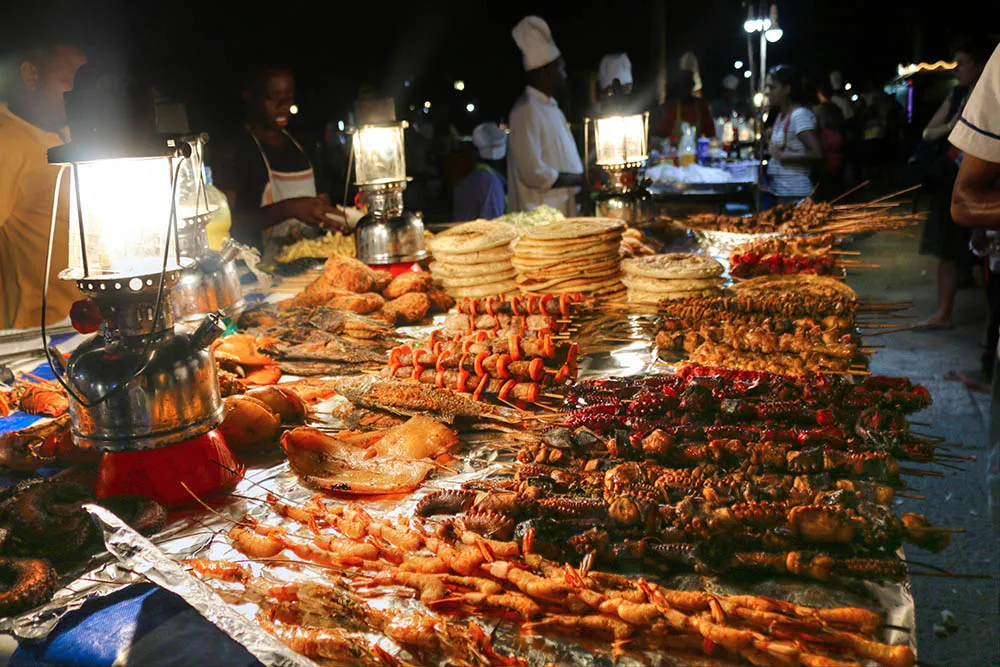
Food is an important part of understanding Tanzanian culture. Moshi has local restaurants serving dishes prepared with rice, beans, vegetables, meat, bananas and maize.
Foods you may encounter include:
- Ugali
- Rice and beans
- Pilau
- Chapati
- Grilled meat
- Cooked bananas
- Vegetable stews
- Fried plantain
- Seasonal fruit
- Local coffee
Ask about ingredients if you have allergies or dietary restrictions. Choose clean, reputable restaurants and drink treated or bottled water.
Join a Local Cooking Experience
A cooking class provides a more active way to learn about Tanzanian food. Some community experiences begin with purchasing ingredients from a local market before preparing lunch with a host family or local cook.
You may learn how to prepare chapati, rice, beans, vegetables, stew or banana based dishes.
Cooking experiences vary according to season and household. Inform the organiser in advance if you are vegetarian, vegan or unable to eat certain ingredients.
Learn Basic Swahili
Learning a few Swahili words can make your time in Moshi more enjoyable. Local people generally appreciate visitors who make an effort to greet them respectfully.
Useful Swahili phrases include:
- Jambo means hello
- Habari means how are you
- Asante means thank you
- Tafadhali means please
- Karibu means welcome
- Pole pole means slowly
- Samahani means excuse me or sorry
- Kwaheri means goodbye
Your guide can also explain how greetings change according to age, time of day and social setting.
Visit Local Craft Shops
Moshi has shops and community projects selling handmade products, paintings, fabrics, jewellery, baskets and carved items.
Purchasing directly from local producers can support artists and small businesses. Ask about the origin of an item rather than assuming every product was made locally.
Avoid buying objects produced from protected wildlife materials. If you plan to carry wooden products internationally, check the customs requirements of your destination country.
Experience Local Music and Dance
Music and dance may be included in coffee tours, village visits or organised cultural programmes.
Some performances explain traditional songs and their connection to work, celebrations, family life or community history. Other venues offer contemporary Tanzanian music.
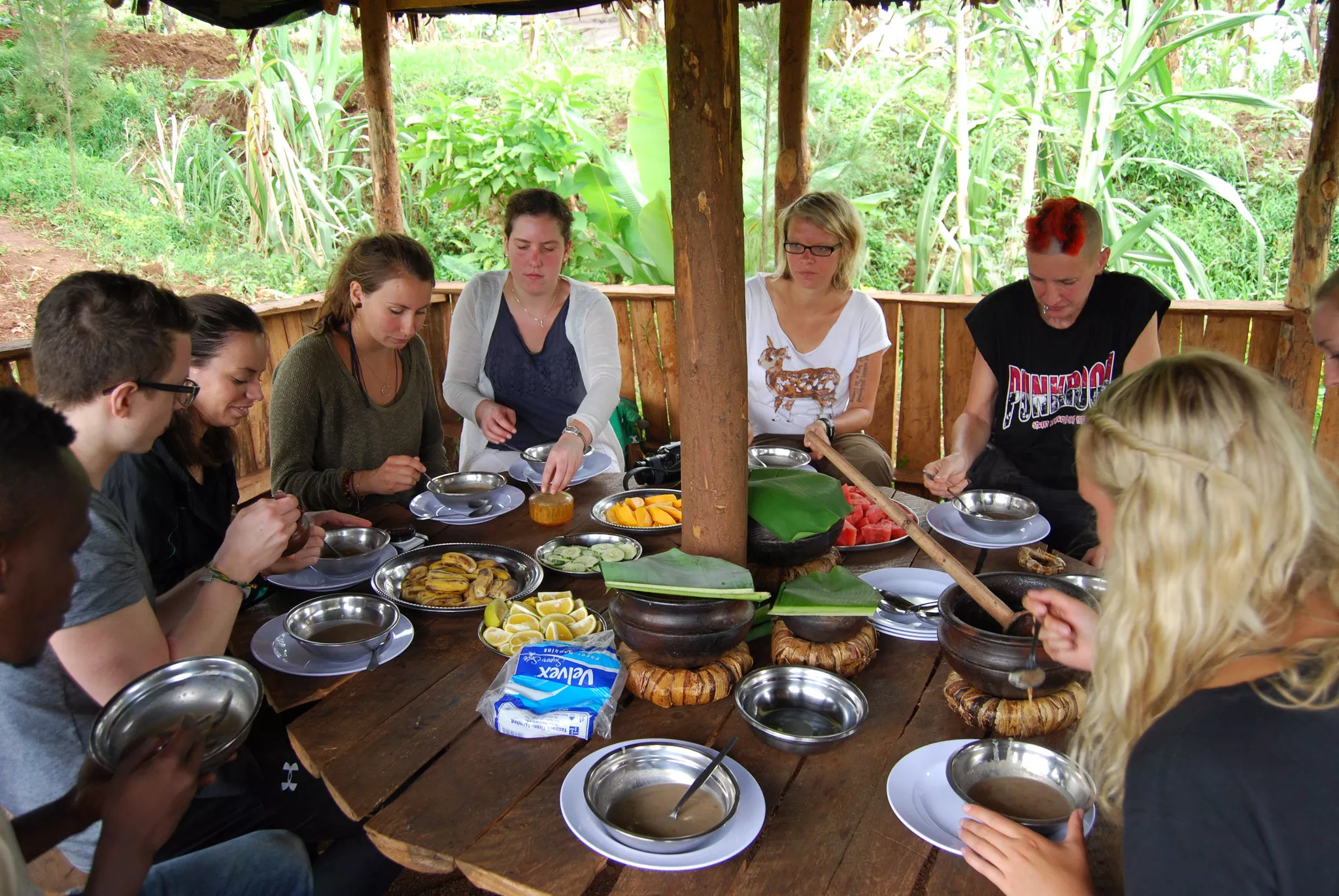
Choose experiences that treat performers professionally and compensate them fairly. Visitors should be invited to participate rather than pressured.
Take a Guided Moshi Town Tour
A guided town walk can introduce you to Moshi’s streets, commercial areas, markets, religious buildings and local businesses.
Your guide can explain how the town developed in connection with agriculture, trade, tourism and Mount Kilimanjaro.
A Moshi town tour can include:
- Local markets
- Coffee shops
- Small businesses
- Craft shops
- Historic areas
- Tanzanian food
- Kilimanjaro viewpoints when the mountain is visible
The exact route should reflect your interests and the time available.
Visit Rau Forest with a Community Guide
Rau Forest is located close to Moshi and offers a combination of nature, conservation and community education.
During a guided walk, you may learn about native trees, medicinal plants, water sources, birds and monkeys. Local guides can explain why the forest is important to nearby farms and communities.
Rau Forest is suitable for families and travellers who prefer a gentle walking experience.
Arrange a Respectful Maasai Cultural Experience
Maasai cultural visits can be arranged from Moshi, although the experience may require travelling outside the town.
A responsible visit should involve a genuine community, clear permission and fair local participation. Activities may include learning about livestock, clothing, homes, social customs and changing community life.
Avoid experiences that treat people only as photography subjects. Ask before taking pictures and listen to the host community’s instructions.
Combine Culture with a Day Trip
Several attractions around Moshi can be combined with cultural activities.

Popular combinations include:
- Materuni Waterfall and coffee tour
- Marangu village and waterfall visit
- Rau Forest and Moshi town tour
- Coffee farm and local cooking class
- Local market and Tanzanian lunch
- Lake Chala and village experience
- Kilimanjaro day hike and Marangu culture
Do not overload the itinerary with too many stops. A slower schedule usually provides better interaction and a more meaningful experience.
Cultural Etiquette in Moshi
Respectful behaviour helps create a positive experience for visitors and local residents.
Keep these guidelines in mind:
- Greet people before asking questions
- Dress respectfully in villages and markets
- Ask permission before taking photographs
- Do not enter homes or farms without invitation
- Listen when community members are speaking
- Avoid making promises you cannot keep
- Do not give children sweets or money without guidance
- Support local services through agreed payments
- Keep cultural and religious differences in mind
Your local guide can explain any expectations that apply to the place you are visiting.
Best Time for Cultural Tours in Moshi
Cultural experiences are available throughout the year. The dry periods generally provide easier walking conditions, while rainy months bring green farms, flowing waterfalls and active agricultural landscapes.
Coffee activities depend partly on the farming season. Even when harvesting is not taking place, guides can normally demonstrate the preparation process using available beans.
Weather on the slopes of Kilimanjaro can change quickly, so bring a light rain jacket and suitable walking shoes.
Plan Your Moshi Cultural Experience
Mbega African Safaris arranges private cultural tours in Moshi and the surrounding Kilimanjaro villages. Your experience can include transport, local guides, coffee tours, waterfall walks, traditional food and community activities.
Contact Mbega African Safaris with your travel date, number of visitors and preferred activities. We will prepare a clear programme based on your interests, available time and physical ability.