
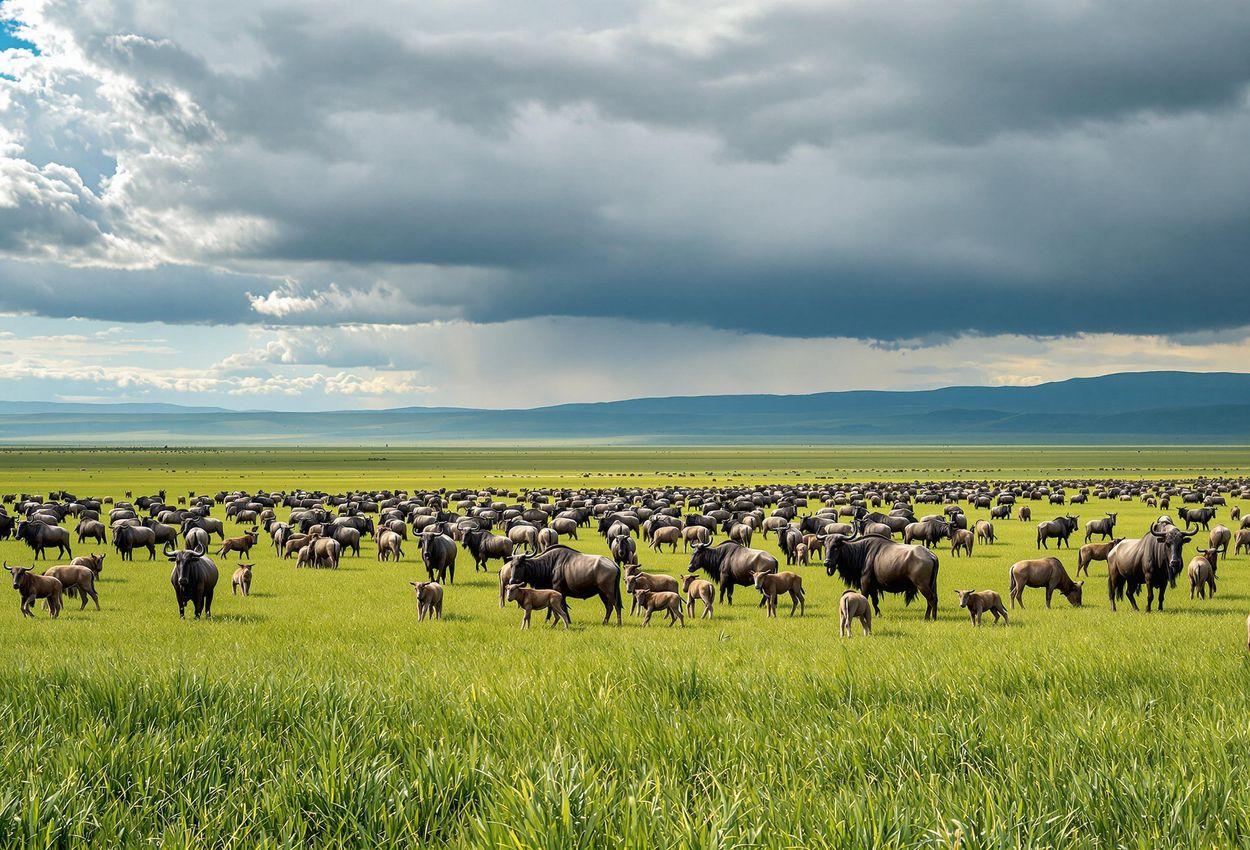
Our February safari picks for wildebeest calving, wildlife encounters and contrasting landscapes.
Use this article as a practical guide for planning your Tanzania journey with Mbega African Safaris.
Where Should You Go on Safari in Tanzania in February?
For a February Tanzania safari, we recommend starting with Ndutu and the southern Serengeti plains, especially if wildebeest calving is your main interest. Ngorongoro Crater, Central Serengeti and Tarangire make worthwhile additions, depending on your available days.
At Mbega African Safaris, we choose destinations around the experience you want. Some travellers want several days following the herds. Others prefer a varied journey combining elephants, crater scenery and the Serengeti.
Our shortlist includes:
- Ndutu and Southern Serengeti — Our first choice for a calving-focused safari.
- Ngorongoro Crater — For wildlife viewing within a dramatic volcanic landscape.
- Central Serengeti — For additional game drives and a broader Serengeti experience.
- Tarangire National Park — For elephants, baobabs and contrasting scenery.
- Lake Manyara National Park — For forests, primates and birdwatching.
You do not need to visit every destination. We help you select a route that gives you enough time to enjoy each place.
1. Ndutu and Southern Serengeti for Wildebeest Calving
Ndutu is the destination we prioritise when planning a February wildebeest calving safari.
Its short-grass plains form part of the southern Serengeti ecosystem. The wider area provides important grazing and calving grounds, with the main calving period generally falling between January and March. Conservation information identifies February as a particularly important part of that season.
Why we recommend it
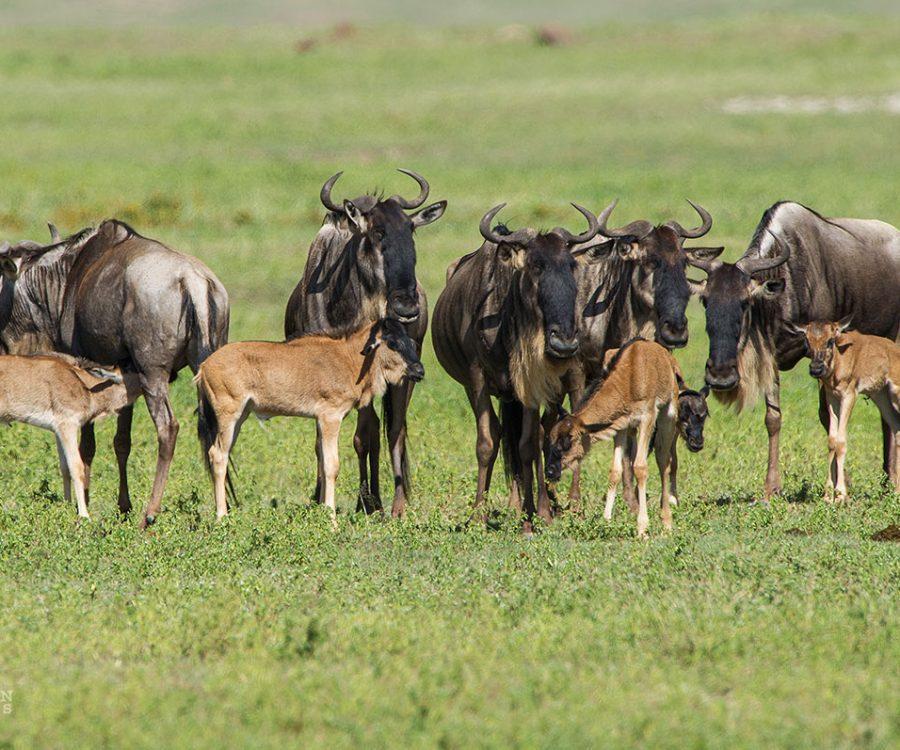
- Opportunities to observe wildebeest with young calves.
- Seasonal gatherings of wildebeest and zebras.
- Chances to search for lions, cheetahs and hyenas.
- Open landscapes suited to wildlife photography.
- Time to observe the behaviour of mothers and their young.
A rewarding sighting may be a calf standing unsteadily beside its mother or a herd moving across the plains. We allow time to watch these moments rather than treating every encounter as a quick photograph.
How long do we suggest staying?
Two to three nights work well for a focused visit. Three nights give you two full days between your arrival and departure journeys.
What to remember
The herds follow grazing conditions. February is a strong seasonal choice, but no operator can guarantee a birth, hunt or particular wildlife gathering on a specific date.
2. Ngorongoro Crater for Scenery and Varied Wildlife
We recommend Ngorongoro Crater as a contrasting experience alongside Ndutu.
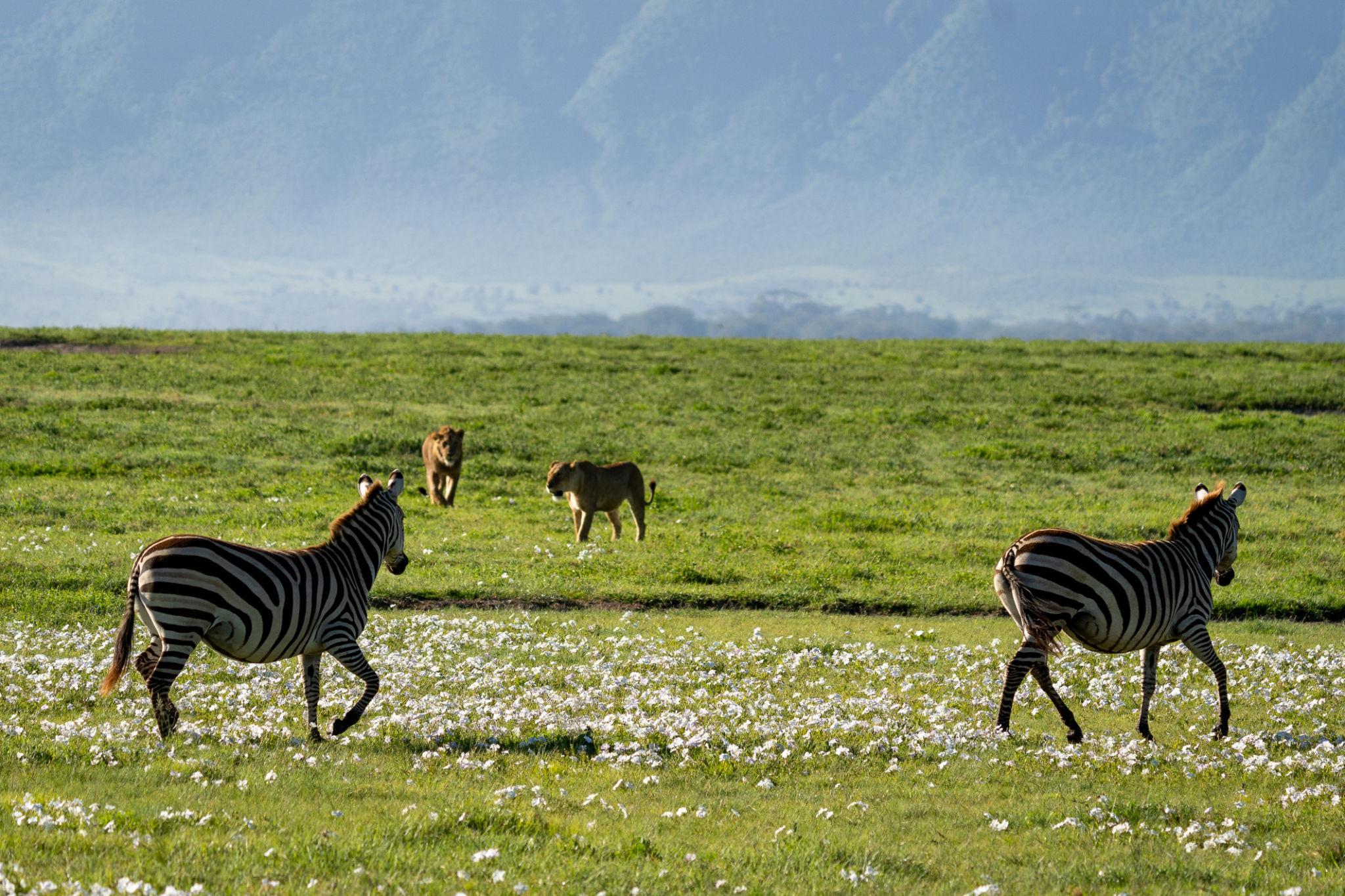
The crater introduces a different landscape after the southern plains. Its concentration of wildlife is one of its principal visitor attractions.
Why we include it
- Views from the crater rim.
- The descent to the crater floor.
- Opportunities to search for lions, buffalo and hippos.
- Grazing wildlife across grassland habitats.
- The possibility of seeing a black rhino.
How much time to allow?
We usually plan a dedicated crater game drive, with the overnight location chosen around the wider route.
Our planning advice
A drive through the Ngorongoro Conservation Area does not automatically include a crater descent. We make that distinction clear in your itinerary.
We also check the transfer schedule carefully if your crater visit falls on the same day as a departure flight.
3. Central Serengeti for More Wildlife-Viewing Time
Central Serengeti is worth adding when you want a longer safari beyond the Ndutu calving grounds.
It gives you another area to explore and more opportunities for wildlife viewing. We treat it as a complement to Ndutu rather than assuming the same experience takes place throughout the Serengeti.
Why we recommend it
- A broader Serengeti journey.
- Additional opportunities to search for predators.
- Different game-drive landscapes.
- More time for photography.
- A balance between migration-focused viewing and other wildlife encounters.
How long do we suggest staying?
Two nights are a useful starting point when the route allows. This provides a full day without changing accommodation.
Our planning advice
If calves are your main reason for travelling, we secure enough Ndutu time first. We then consider Central Serengeti according to your remaining days.
4. Tarangire National Park for Elephants and Baobabs
Tarangire adds a distinctive wildlife setting to a February safari.
Its elephant-viewing opportunities, woodland and baobab landscapes offer a different atmosphere from the Serengeti plains.
Why travellers choose it
- Elephants feeding and interacting.
- Giraffes and other wildlife.
- Baobab-framed photographs.
- Varied woodland, grassland and river scenery.
- A rewarding introduction to a northern Tanzania safari.
How much time to allow?
One well-planned game-drive day can provide a worthwhile Tarangire experience. An overnight stay is an option if you prefer additional time.
Our planning advice
We recommend Tarangire for variety. On a shorter calving safari, we discuss whether you would prefer that extra destination or another night in Ndutu.
February conditions should be considered on their own merits rather than compared with photographs of dry-season wildlife concentrations.
5. Lake Manyara National Park for Forests and Birdlife
Lake Manyara suits travellers who want a change of habitat and enjoy smaller wildlife details.
It can bring another dimension to an itinerary already focused on open plains.
Reasons to consider it
- Forest scenery.
- Primate-viewing opportunities.
- Birdwatching.
- Lakeside landscapes.
- The backdrop of the Great Rift Valley escarpment.
How much time to allow?
We can include a game-drive visit when it fits your route and available days.
Our planning advice
For a short trip centred on calving, Ndutu remains our priority. For a longer journey, Lake Manyara adds variety.
We would not build the visit around a promised tree-climbing lion or another specific sighting.
Which Destinations Fit Your Interests?
We suggest choosing your main experience first, then adding destinations that support it.
- Wildebeest calving — Prioritise Ndutu and the southern plains.
- Calving and crater scenery — Combine Ndutu with Ngorongoro.
- Elephants and migration herds — Consider Tarangire and Ndutu.
- A longer Serengeti experience — Include Ndutu and Central Serengeti.
- Birds and varied habitats—Consider Lake Manyara alongside your main wildlife destinations.
This approach helps us create a journey with a clear purpose instead of adding stops simply to lengthen the destination list.
How Many Days Do You Need for a February Safari?
The right length depends on whether you want a focused Ndutu trip or a wider northern circuit.
Our planning suggestions are:
- Three safari days — A short Ndutu visit, with substantial travel on the first and last days.
- Four to five safari days — Time to consider Ndutu and Ngorongoro.
- Six safari days — Scope for Tarangire, several nights in Ndutu and Ngorongoro.
- Seven to eight safari days—more room for Central Serengeti or another selected destination.
Arrival and departure days need separate attention. A six-day holiday that includes both airport days provides fewer full safari days than a six-day wildlife itinerary.
We show these differences clearly in your proposal.
Should You Visit Northern Serengeti for Calving Season?
For a safari focused on wildebeest calving, we plan around the southern ecosystem rather than the northern river-crossing areas.
The migration’s main calving grounds are associated with the southern plains during this part of the year.
That does not mean other Serengeti regions have no wildlife. It means the route should match your reason for travelling.
Tell us whether your priority is calves, predators, a particular landscape or a general Serengeti experience. We can then explain which areas fit best.
Where Should You Stay During a February Safari?
We choose overnight locations that support your game drives and daily route.
For the Ndutu part of your safari, we check:
- The property’s exact location.
- Access to intended wildlife areas.
- Driving distances.
- Seasonal operating dates.
- Room and bathroom arrangements.
- Required access and overnight charges.
A description such as “Serengeti accommodation” is too broad to explain whether a property suits a southern calving itinerary.
We also consider how often you change accommodation. Several nights in one suitable location can give you more time to explore.
Is a Private Safari Worth Considering in February?
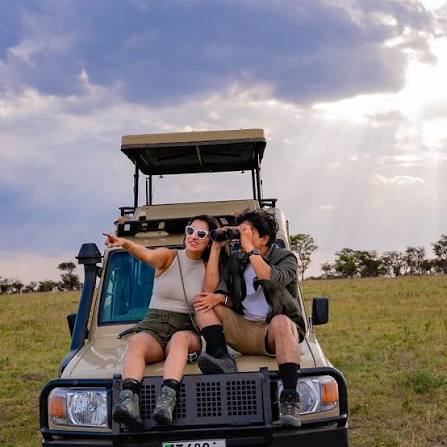
A private safari gives your travelling party more influence over the daily pace.
We can discuss:
- Early departures.
- Photography interests.
- Packed meals for longer game drives.
- Breaks for children.
- Time spent at sightings.
- Your preferred balance of wildlife viewing and rest.
This flexibility works within park rules, road conditions and the confirmed itinerary. It does not guarantee sightings, but it lets us plan around your interests.
What Should You Expect During Calving Season?
Expect a wildlife experience shaped by the herds and the conditions on the day.
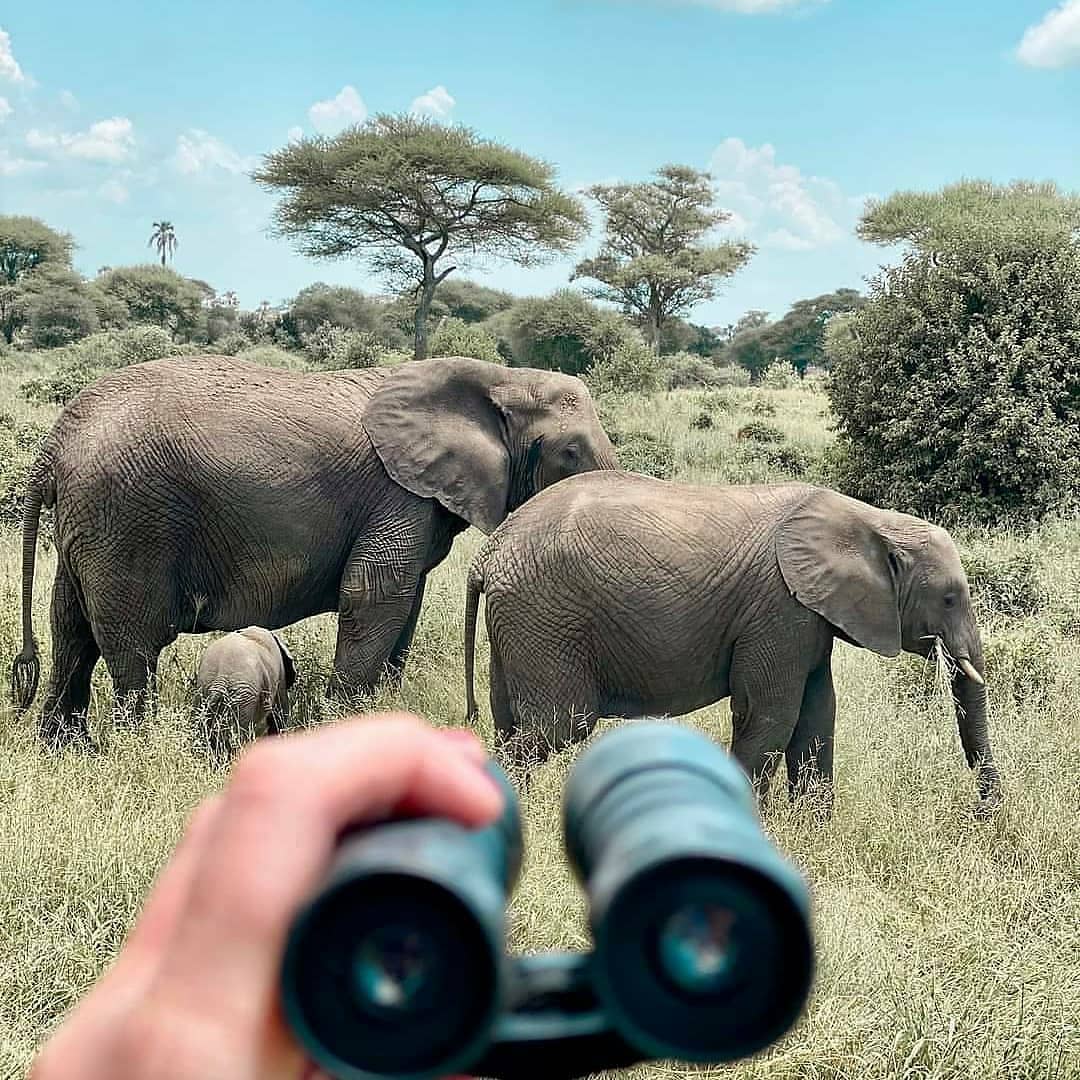
Your game drives may include:
- Wildebeest grazing across the plains.
- Young calves staying close to their mothers.
- Zebras moving among the herds.
- Predators resting or searching for opportunities.
- Birdlife and smaller animals.
- Quiet periods between sightings.
Patience matters. We encourage you to enjoy animal behaviour rather than focusing only on witnessing a birth or hunt.
For families, we also discuss the possibility of seeing predators feeding so you can decide how to approach the experience with your children.
What Should You Pack for a February Tanzania Safari?
Keep a small day bag ready with:
- Lightweight, comfortable clothing.
- A warm layer for early starts and highland areas.
- A light waterproof jacket.
- A hat, sunglasses and sunscreen.
- Binoculars.
- Camera batteries and memory cards.
- Protection for electronics.
- Personal medication.
If your route includes a domestic flight, we check its baggage allowance before finalizing the travel arrangements.
Can You Add Zanzibar After Your Safari?
Yes. Zanzibar can provide a relaxing beach extension after your wildlife journey.
We help you balance:
- Mainland safari nights.
- Beach nights.
- Connecting travel.
- Airport transfers.
- Accommodation and meal plans.
We count flight days realistically. A transfer day may leave time for the beach, but it should not automatically be treated as a full day of relaxation.
How We Plan Your February Safari at Mbega
We start with the experience you want, then build a practical route around it.
Tell us:
- Your travel dates.
- Number of adults and children.
- Available holiday days.
- Whether calving is your main priority.
- Photography or wildlife interests.
- Accommodation preference.
- Approximate budget.
- Arrival and departure plans.
From there, we recommend suitable destinations, explain the overnight locations and show what your quotation includes.
Plan Your February Tanzania Safari With Us
For a calving-focused journey, we give Ndutu the attention it deserves. For a broader holiday, we help you combine it with destinations that add something different.
Contact Mbega African Safaris with your plans, and we will prepare a February itinerary around your interests and available time.