
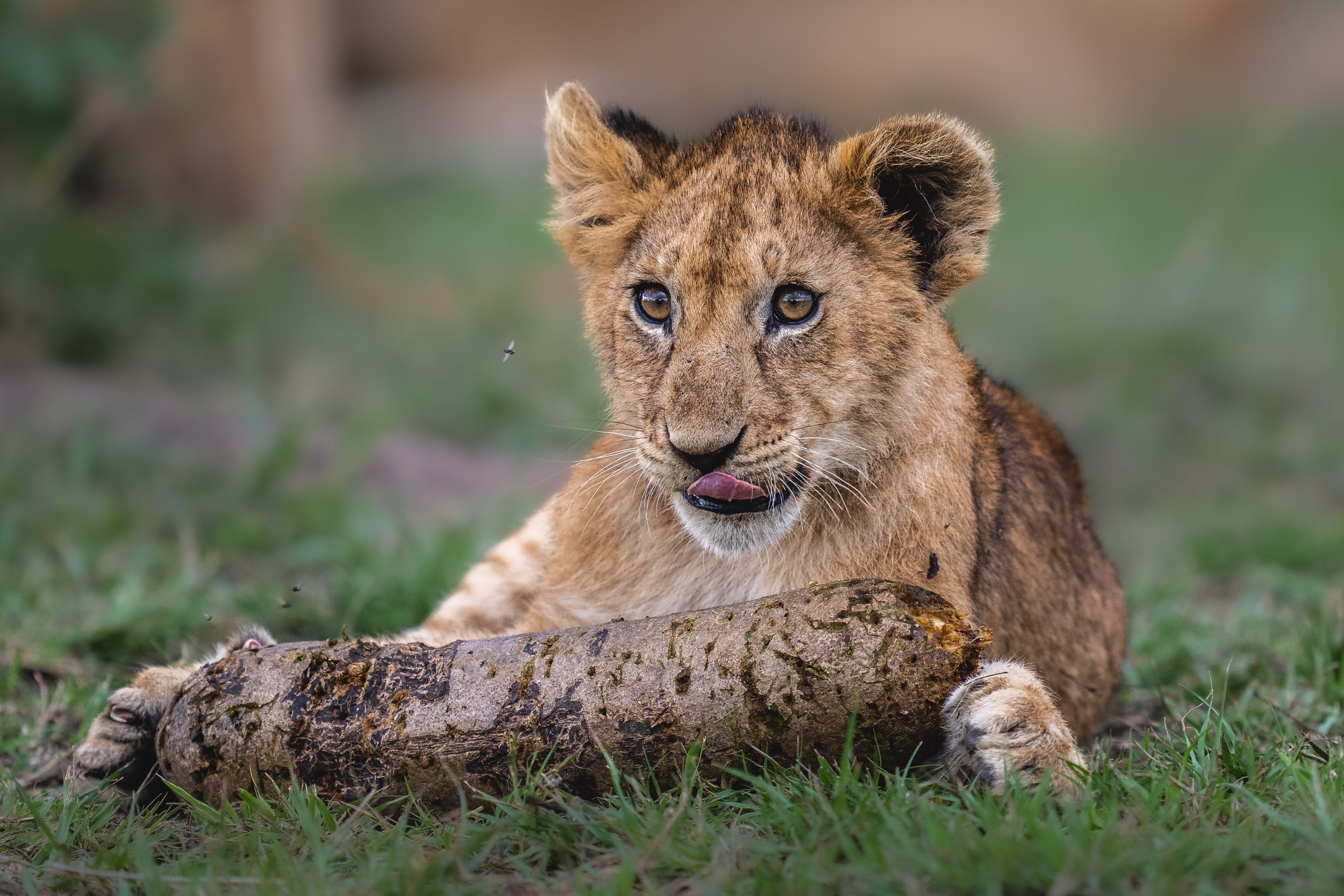
Discover Tanzania’s best December safari destinations for the Great Migration, predators, elephants, birdwatching, green landscapes and memorable wildlife photography.
Use this article as a practical guide for planning your Tanzania journey with Mbega African Safaris.
December is a rewarding month for a safari in Tanzania. The short rains transform dry plains into green grazing areas, migratory birds arrive and wildlife responds to the availability of fresh water and vegetation.
The most suitable destination depends on the experience you want. Serengeti and Ndutu are important for the Great Migration, Ngorongoro offers reliable resident wildlife and Tarangire remains an excellent choice for elephants and baobab landscapes.
Early December is often quieter, while visitor numbers and accommodation prices increase around Christmas and New Year.
These are the best places for a safari in Tanzania in December.
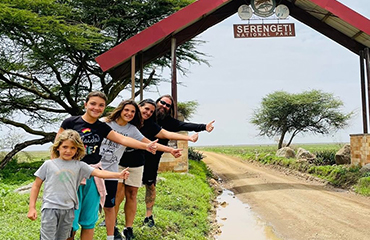
Serengeti National Park
Serengeti National Park is one of Tanzania’s leading December safari destinations. The park covers an enormous area, so choosing the correct region is essential.
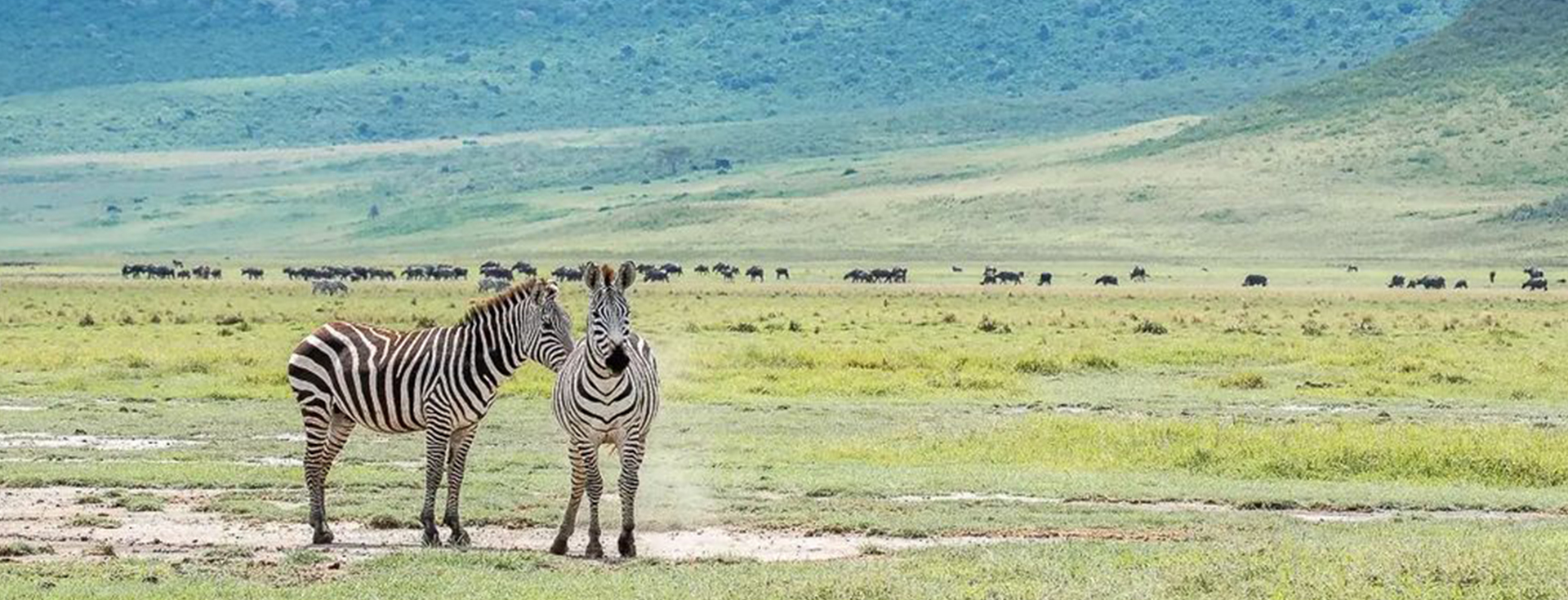
As the short rains create fresh grazing, migrating wildebeest and zebras generally begin moving toward the eastern and southern parts of the Serengeti ecosystem. Their exact location changes according to rainfall and available grass.
Central Serengeti remains reliable throughout the year. The Seronera area supports resident populations of lions, elephants, giraffes, buffaloes, leopards, hippos and many antelope species.
Why visit Serengeti in December?
- Great Migration movements
- Resident predators
- Green plains
- Migratory birds
- Excellent wildlife photography
- Reliable wildlife around Seronera
- Access to different Serengeti regions
Choose accommodation based on recent wildlife conditions rather than relying entirely on a fixed annual migration map.
Ndutu and the Southern Serengeti
Ndutu and the southern plains become increasingly important as the migrating herds move toward fresh grazing.
Some wildebeest may arrive during December, particularly when the seasonal rains begin on time. However, the main calving period usually occurs from January into March.
December visitors may see the herds gathering and predators becoming more active. Cheetahs, lions, hyenas and jackals follow the movement of wildebeest and zebras across the ecosystem.
Why visit Ndutu in December?
- Beginning of the southern migration season
- Wildebeest and zebra herds
- Cheetahs and lions
- Open grassland scenery
- Green season photography
- Fewer visitors than peak calving months
The location of the herds cannot be guaranteed. A flexible itinerary and an experienced guide improve your chances of finding the migration.
Ngorongoro Crater
Ngorongoro Crater is one of Tanzania’s most reliable wildlife destinations at any time of year.
The crater floor supports lions, buffaloes, zebras, wildebeest, hippos, hyenas and different antelope species. Mature bull elephants may also be encountered.
Ngorongoro is one of the better places in northern Tanzania to search for the endangered black rhino, although sightings are not guaranteed and may occur from a distance.
December brings green scenery to the crater and surrounding highlands. The crater rim can be cold, wet and misty during the early morning.
Why visit Ngorongoro in December?
- High wildlife diversity
- Resident animals
- Lions and hyenas
- Possibility of seeing black rhinos
- Beautiful green landscapes
- Easy combination with Serengeti
- Suitable for first time visitors
Christmas and New Year are busy periods, so accommodation near the crater should be reserved early.
Tarangire National Park
Tarangire National Park is famous for elephants, ancient baobab trees and the Tarangire River.
During the dry season, wildlife gathers around the river and remaining water sources. December rainfall allows some animals to spread into the wider ecosystem, so wildlife may not be as concentrated.
Even so, visitors can still see elephants, giraffes, zebras, buffaloes, wildebeest, warthogs, antelopes and predators. The green landscape and dramatic baobab trees create excellent photographic opportunities.
Why visit Tarangire in December?
- Elephants
- Baobab trees
- Green landscapes
- Birdwatching
- Lions and other predators
- Convenient access from Arusha
- Easy inclusion in a northern circuit safari
December game drives may require patience because animals have access to more seasonal water and grazing areas.
Lake Manyara National Park
Lake Manyara National Park combines forest, open areas, wetlands and views of the Great Rift Valley escarpment.
Wildlife may include elephants, giraffes, zebras, buffaloes, baboons, hippos and different antelope species. The park is also known for its birdlife and association with tree climbing lions.
December is particularly appealing for birdwatching because migratory species may join the resident birds. The forest and surrounding vegetation also become greener after rain.
Why visit Lake Manyara in December?
- Birdwatching
- Elephants and baboons
- Great Rift Valley scenery
- Forest environments
- Lakeside habitats
- Easy combination with Tarangire
- Convenient stop before Ngorongoro
Water levels, wildlife distribution and road access can change after rainfall. Ask for current conditions before confirming your itinerary.
Arusha National Park
Arusha National Park is a practical choice for travellers with one free day before or after a longer safari.
The park contains forest, open grassland, the Momella Lakes and Mount Meru. Animals commonly seen include giraffes, buffaloes, zebras, warthogs, blue monkeys and black and white colobus monkeys.
Guided walking safaris can be arranged in authorised areas. December rain brings green vegetation, although mountain views depend on cloud cover.
Why visit Arusha National Park in December?
- Easy access from Arusha
- Guided walking safaris
- Giraffes and monkeys
- Birdwatching
- Momella Lakes
- Mount Meru scenery
- Short safari itineraries
This is not the best park for large predators, but it offers varied scenery and activities.
Mkomazi National Park
Mkomazi is a quieter wildlife destination located southeast of Moshi. Its landscapes include dry savannah, acacia woodland and mountain views.
The park supports giraffes, zebras, elephants, elands, hartebeests, buffaloes and numerous bird species. Lions, leopards and cheetahs are also present, although they can be difficult to locate.
December rain may bring fresh vegetation and improve birdwatching. Wildlife can be widely dispersed across the park.
Why visit Mkomazi in December?
- Fewer safari vehicles
- Quiet wilderness
- Birdwatching
- Dry country wildlife
- Conservation interest
- Convenient access from Moshi
- An alternative to busier parks
Mkomazi is best for travellers interested in landscape, conservation and a peaceful game drive rather than only high wildlife concentrations.
Nyerere National Park
Nyerere National Park provides an extensive wilderness experience in southern Tanzania. The park contains woodland, rivers, lakes and open areas.
December brings green vegetation, migratory birds and fewer visitors. Wildlife may be spread across a wider area because seasonal water is available.
Some roads can become difficult after heavy rainfall. Accommodation operations and available activities may also change during the green season.
Why visit Nyerere in December?
- Remote wilderness
- Lower visitor numbers
- River and lake scenery
- Birdwatching
- Elephants and other wildlife
- Green season photography
- Southern Tanzania safari experience
Confirm that your selected camp is operating and that planned activities are available during your travel dates.
Ruaha National Park
Ruaha is known for its rugged landscapes, elephants, lions and remote atmosphere. It receives fewer visitors than the main northern circuit parks.
December marks part of the green season. Vegetation becomes thicker, birdlife increases and animals spread away from permanent water sources.
Wildlife viewing can still be rewarding, but sightings may require more patience than during the dry months. Some remote camps may close during parts of the rainy season.
Why visit Ruaha in December?
- Wild landscapes
- Fewer visitors
- Elephants and predators
- Excellent birdwatching
- Green vegetation
- Remote safari camps
- Experienced safari travellers
Check camp availability and domestic flight schedules before booking.
Which December Safari Destination Is Best?
Choose Serengeti if you want the Great Migration, predators and a complete wildlife experience.
Choose Ndutu if you want to follow the herds toward the southern plains and search for cheetahs.
Choose Ngorongoro Crater if you want high wildlife diversity in a compact area.
Choose Tarangire if elephants and baobab landscapes are your priorities.
Choose Lake Manyara if you enjoy birds, forests and Great Rift Valley scenery.
Choose Arusha National Park if you have only one day and want a walking safari.
Choose Mkomazi if you are staying in Moshi and prefer a quieter park.
Choose Nyerere or Ruaha if you want a remote southern Tanzania safari with fewer visitors.
Best Destination for the Great Migration
Serengeti and Ndutu are the best choices for the Great Migration in December.
The herds generally move toward the southern plains as rainfall creates fresh grass. However, early or delayed rain can change their location.
Your safari operator should use recent information to choose the most appropriate accommodation and game drive areas.
Best Destination for Predators
Central Serengeti is one of the strongest options for lions, leopards and cheetahs throughout the year.
Ndutu can also provide excellent predator sightings when migrating wildebeest and zebras reach the southern plains.
Ngorongoro Crater is known for lions and hyenas, while Tarangire and Ruaha may also produce rewarding predator encounters.
No predator sighting can be guaranteed.
Best Destination for Elephants
Tarangire is one of the best places to see elephants in northern Tanzania. The park’s baobab landscapes create memorable surroundings for elephant photography.
Elephants can also be seen in Serengeti, Ngorongoro, Lake Manyara, Nyerere, Ruaha and Mkomazi.
Best Destination for Birdwatching
Lake Manyara, Tarangire, Serengeti and Arusha National Park are excellent northern Tanzania choices for December birdwatching.
Nyerere and Ruaha are also rewarding for travellers exploring the southern circuit.
Bring binoculars and request a guide with birding knowledge if this is an important part of your safari.
Recommended December Safari Itinerary
A balanced six day northern Tanzania itinerary may include:
Day 1 Arusha to Tarangire
Enjoy a game drive among elephants, baobab trees and green savannah.
Day 2 Tarangire to Central Serengeti
Travel through the Ngorongoro highlands toward Serengeti National Park.
Day 3 Central Serengeti
Spend a full day searching for resident wildlife and predators.
Day 4 Central Serengeti to Ndutu
Follow recent migration information toward the southern plains.
Day 5 Ndutu to Ngorongoro
Enjoy a morning game drive before travelling to the Ngorongoro highlands.
Day 6 Ngorongoro Crater to Arusha
Descend into the crater for a game drive before returning to Arusha.
The route may be adjusted according to rainfall, migration movements and accommodation availability.
December Travel Advice
Keep the following points in mind:
- Book early for Christmas and New Year
- Prepare for short rain showers
- Carry a waterproof jacket
- Protect cameras from rain and dust
- Use a four wheel drive safari vehicle
- Pack warm clothing for Ngorongoro
- Confirm camp opening dates
- Allow flexibility for migration movements
- Check festive supplements
- Arrange domestic flights early
Early December is usually quieter than the festive period.
Book Your December Safari with Mbega African Safaris
Mbega African Safaris arranges private and shared December safaris from Moshi and Arusha. We can help you choose destinations based on wildlife movements, weather, accommodation availability and your preferred budget.
Contact us with your travel dates, number of travellers and desired parks. Our team will prepare a personalised itinerary and clear quotation for your December safari in Tanzania.