
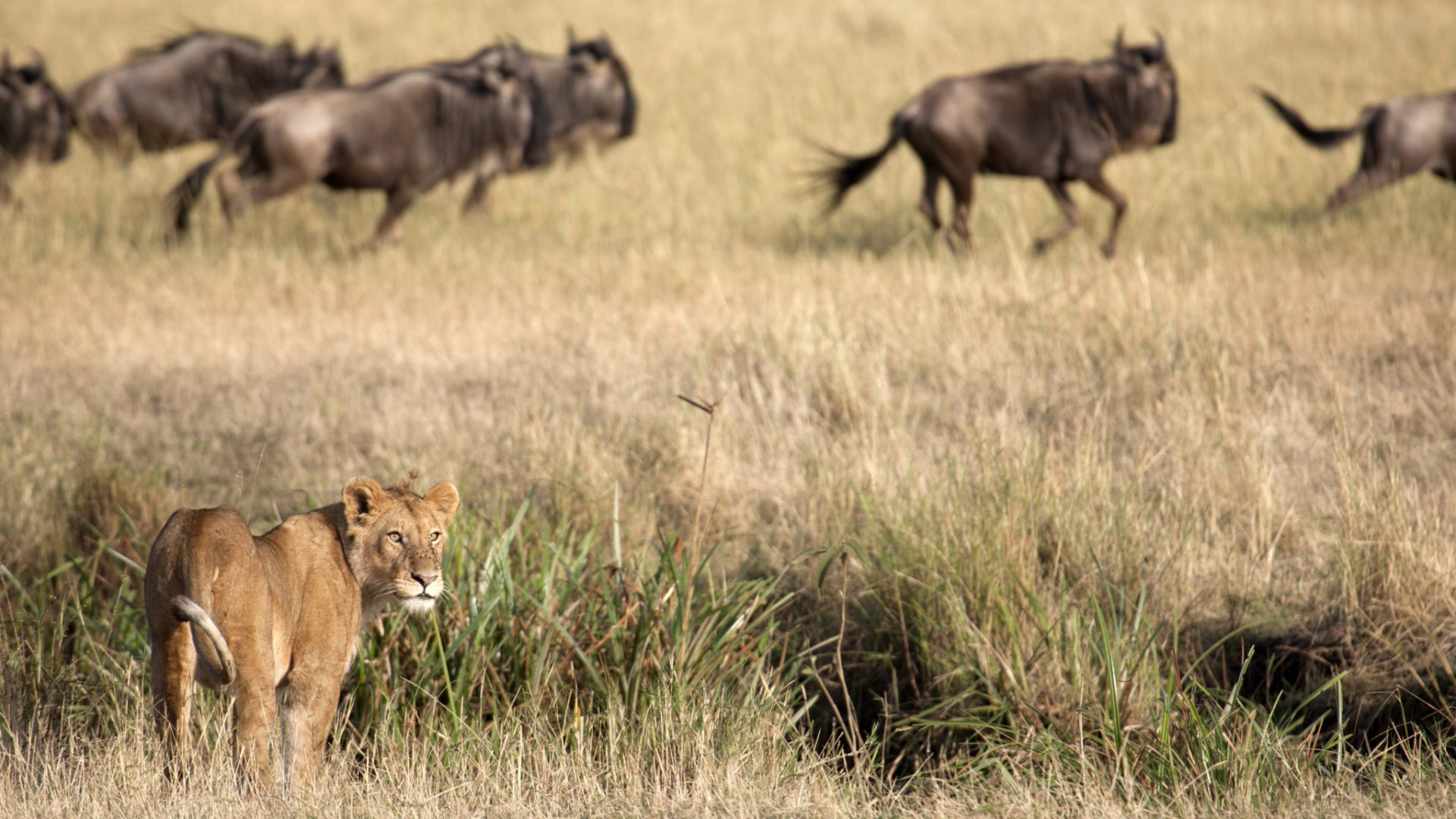
How we help you choose your travel dates and plan enough time for Ndutu’s calving season.
Use this article as a practical guide for planning your Tanzania journey with Mbega African Safaris.
When Should You Visit Ndutu for Wildebeest Calving?
February is our first month to consider for a calving-focused safari, within the broader January-to-March calving period.
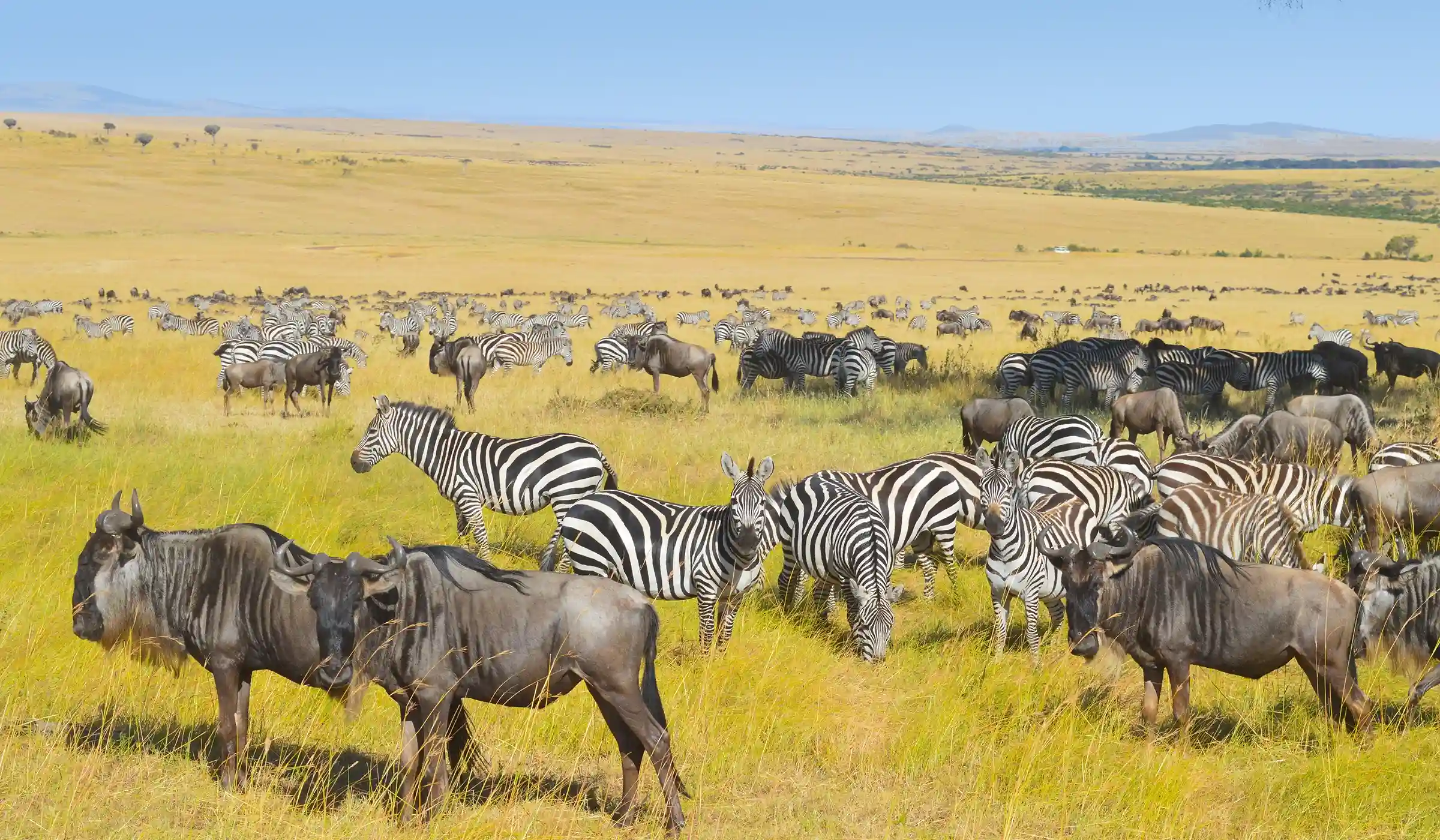
The southern plains support the herds during this stage of the migration. Tanzania’s tourism information identifies January through March as the usual calving period.
At Mbega African Safaris, we help you choose dates with realistic expectations. We do not promise an exact peak day or suggest that every departure will see the same scenes.
Our priorities are:
- A suitable seasonal window.
- Enough nights near the southern plains.
- Practical overnight locations.
- Flexible game drives.
- Time to observe wildlife patiently.
Is February Always the Best Choice?
February is a strong choice when young wildebeest are your main interest, but no month guarantees particular sightings.
A good safari depends on more than the date. Your route, length of stay and overnight location also matter.
We would rather plan several useful game drives than promise that a single “perfect day” will deliver everything.
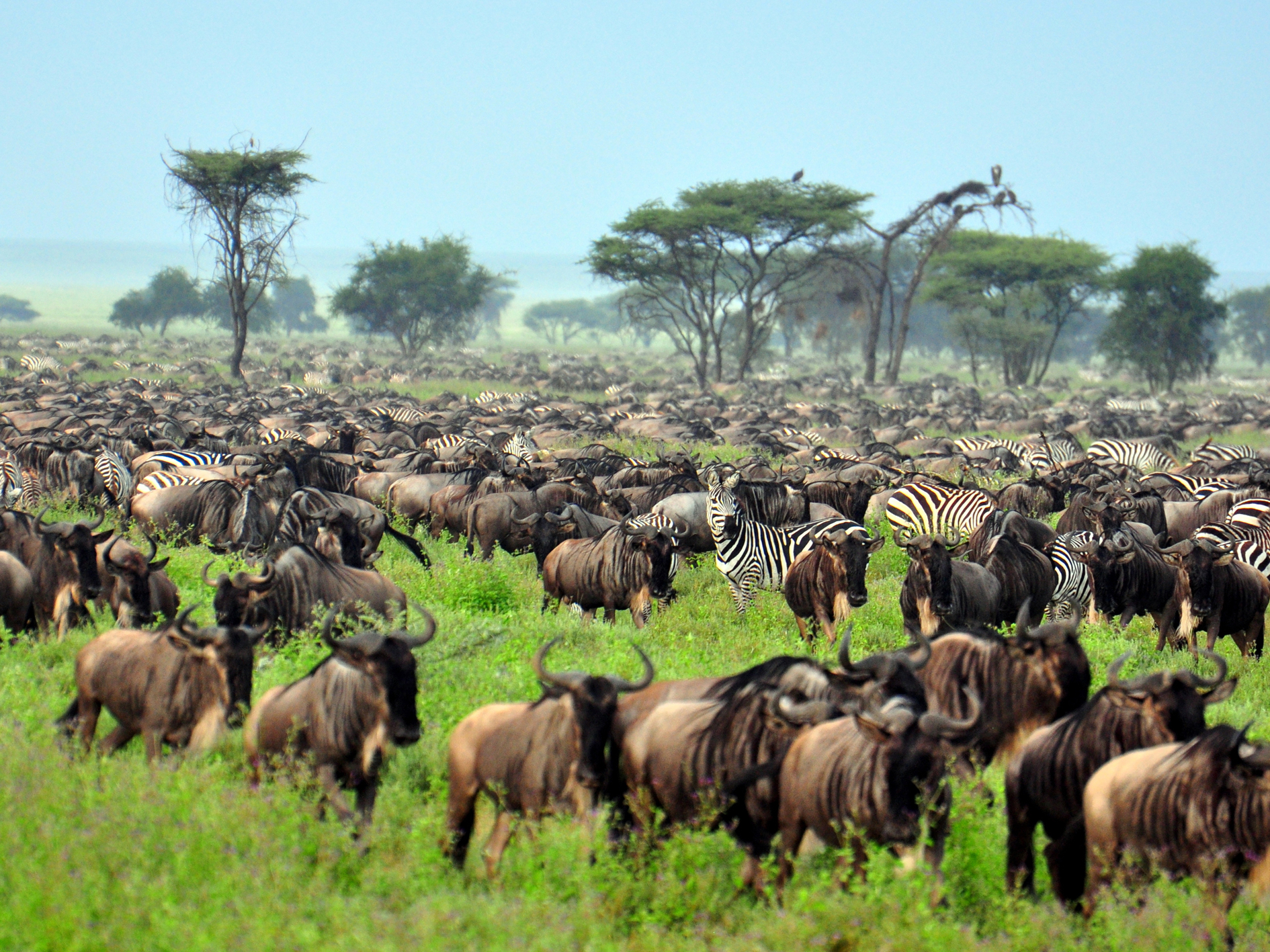
February may suit you if you want:
- Opportunities to see young calves.
- Time with migration herds.
- Predator-viewing possibilities.
- Behaviour-focused photography.
- A safari centred on the southern ecosystem.
What About January?
January is worth considering, particularly if it fits your travel plans better.
It falls within the broader calving period, although the experience varies through the month and between years.
For a January proposal, we look at:
- Your exact dates.
- How long you can stay.
- The route into and out of Ndutu.
- Accommodation availability.
- Whether you want other Serengeti regions included.
We keep expectations specific to your itinerary rather than treating the whole month as identical.
Is March Too Late?
March can still offer a worthwhile calving-season safari.
Depending on conditions and timing, you may encounter young wildebeest already moving confidently with the herds.
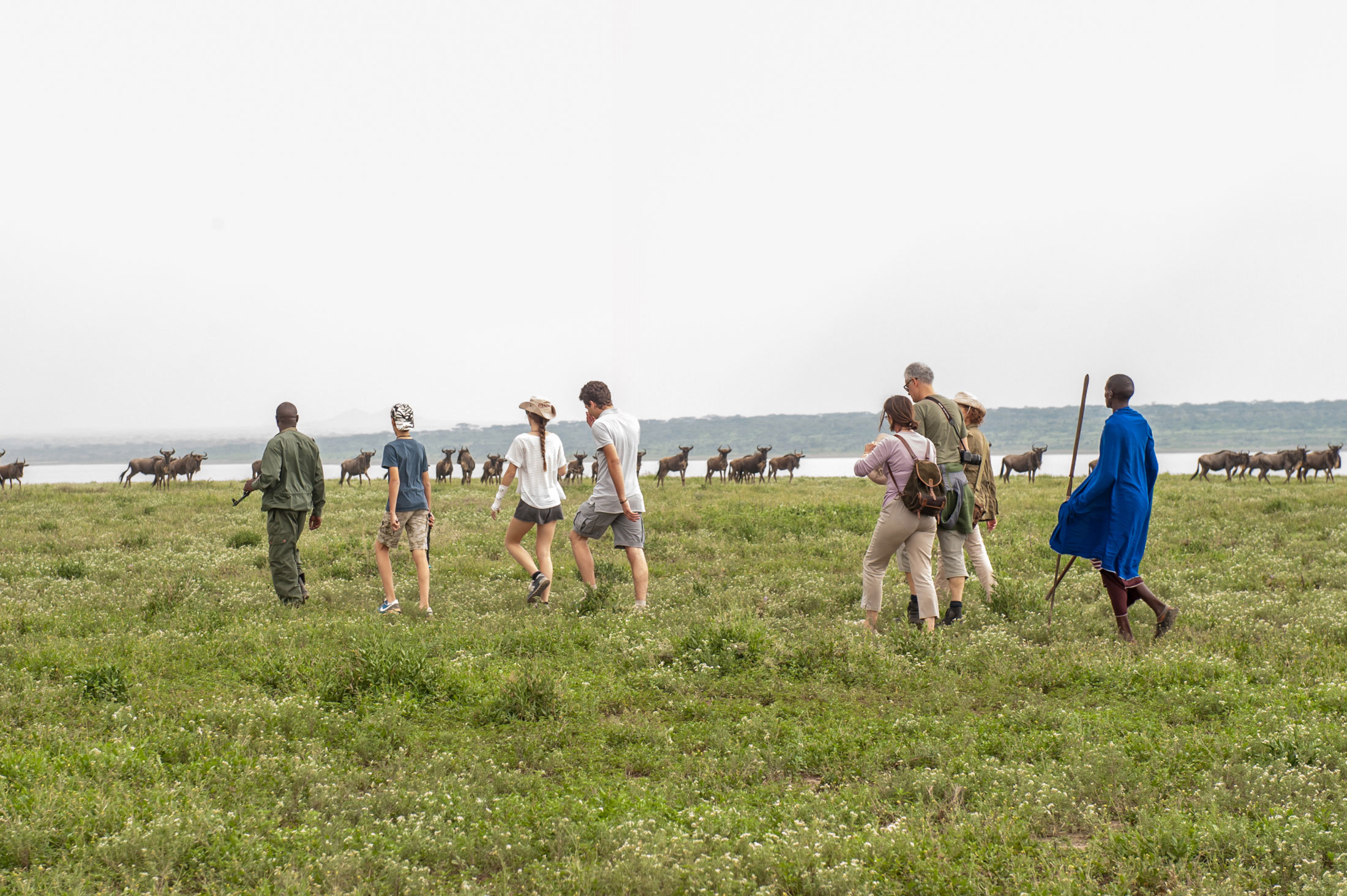
This can be rewarding for travellers interested in:
- Mother-and-calf interactions.
- Herd movements.
- Predator activity.
- Wildlife photography.
- A broader southern-plains experience.
We do not treat the first day of March as a fixed end to the season. Nature does not follow booking-calendar boundaries.
Can You See Calving in December?
December is generally the lead-up to the main calving period.
Travellers may find seasonal herds arriving or gathering in southern areas, but widespread newborn sightings should not be promised throughout the month.
If your holiday must take place in December, we can plan a migration and wildlife itinerary. If calves are the central reason for travelling, we discuss January through March first.
Can You Choose the Exact Peak Week?
We cannot reliably guarantee the peak week in advance.
Rainfall and grazing influence where the herds spend time. Natural birth timing also varies.
Rather than selling certainty, we improve the practical plan by:
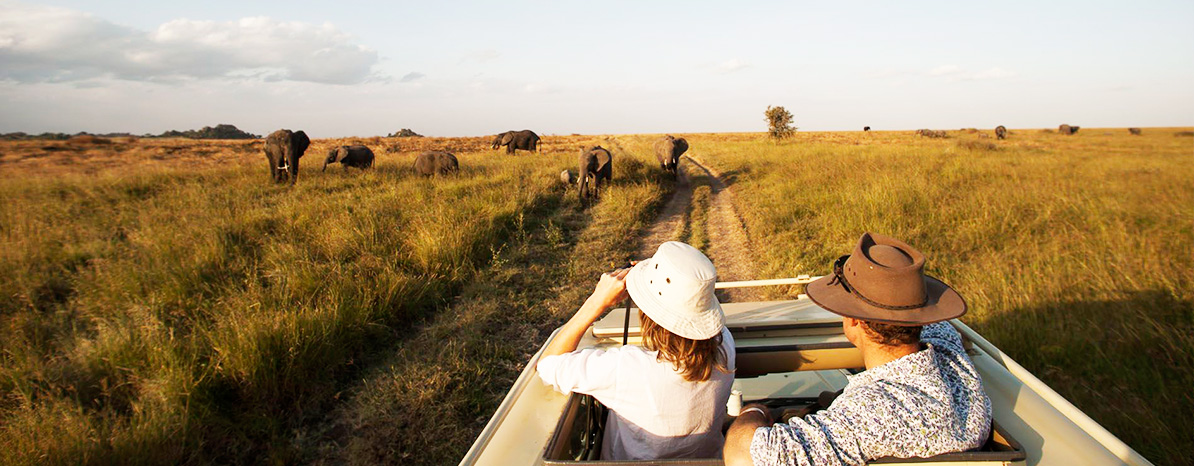
- Choosing the appropriate season.
- Allowing more than one game-drive opportunity.
- Avoiding unnecessary accommodation changes.
- Keeping routes responsive to conditions.
- Explaining what can and cannot be promised.
How Many Nights Give You a Meaningful Visit?
We suggest two to three nights, depending on your interests and overall holiday length.
- Two nights — A useful short stay with one full day.
- Three nights — Two full days and more flexibility.
- Four nights or more—worth considering for dedicated photography or a slower pace.
A longer stay increases opportunities. It does not guarantee witnessing a birth or hunt.
What Time of Day Should You Go Out?
We plan departure times around the day’s conditions and your itinerary rather than guaranteeing one hour for calving.
An early start can give you more time in the field. Packed meals may help us explore without returning for lunch.
We also consider:
- Your photography interests.
- Children’s needs.
- Heat and comfort.
- Driving distances.
- Whether you prefer full-day or split outings.
Births and wildlife activity are not appointments. Remaining observant throughout the game drive matters more than chasing a supposedly guaranteed time.
How Should You Choose Your Overnight Location?
Choose a location that supports the intended southern game-drive areas.
We check:
- Exact property position.
- Access arrangements.
- Expected driving distances.
- Seasonal opening dates.
- Bathroom and room preferences.
- The next stage of your journey.
We keep accommodation discussions practical. A property’s description alone cannot guarantee the herds’ proximity.
What Should Photographers Plan For?
Tell us whether photography is a casual interest or the main purpose of the trip.
We can discuss:
- Private vehicle use.
- Equipment storage.
- Passenger numbers.
- Time at sightings.
- Packed meals.
- Additional Ndutu nights.
Bring spare batteries, memory cards and protection for equipment. A patient approach often produces more meaningful photographs than trying to cover the largest possible distance.
Plan Your Calving Safari With Mbega
Share your preferred month, available days and wildlife interests. We will explain the seasonal options and prepare a route that gives you meaningful time on the southern plains.