
This guide covers what to expect on a coffee tour in Moshi, how coffee is grown and prepared, the Chagga traditions behind the experience, and practical tips for planning your visit.
Use this article as a practical guide for planning your Tanzania journey with Mbega African Safaris.
Coffee Tours in Moshi: More Than a Cup of Coffee
Coffee is part of the agricultural landscape around Mount Kilimanjaro. On the mountain's lower slopes, coffee plants grow in family gardens alongside banana trees and other crops. For visitors staying in Moshi, a coffee tour offers an opportunity to step into this landscape and learn about the work behind one of the world's most familiar drinks.
Rather than simply tasting a finished cup, visitors can discover how coffee is cultivated, harvested and prepared. Depending on the experience, you may walk through a coffee garden, learn from a local farmer, take part in traditional roasting and grinding, and taste coffee prepared during the visit.
The experience also offers a glimpse into everyday life in the Chagga communities that have long cultivated the land around Kilimanjaro.
Whether you are interested in coffee itself, local culture or a different way to spend time outside Moshi town, a coffee tour can be a worthwhile addition to your Tanzania itinerary.
Where Can You Experience a Coffee Tour Near Moshi?
The slopes of Mount Kilimanjaro are an important growing area for Tanzanian Arabica coffee. The Tanzania Coffee Board identifies the northern highlands around Kilimanjaro and Mount Meru among the country's Arabica-producing areas.
Around Moshi, coffee experiences are often organized in villages on the mountain's lower slopes, where visitors can learn about farming in a local setting.
Materuni Village
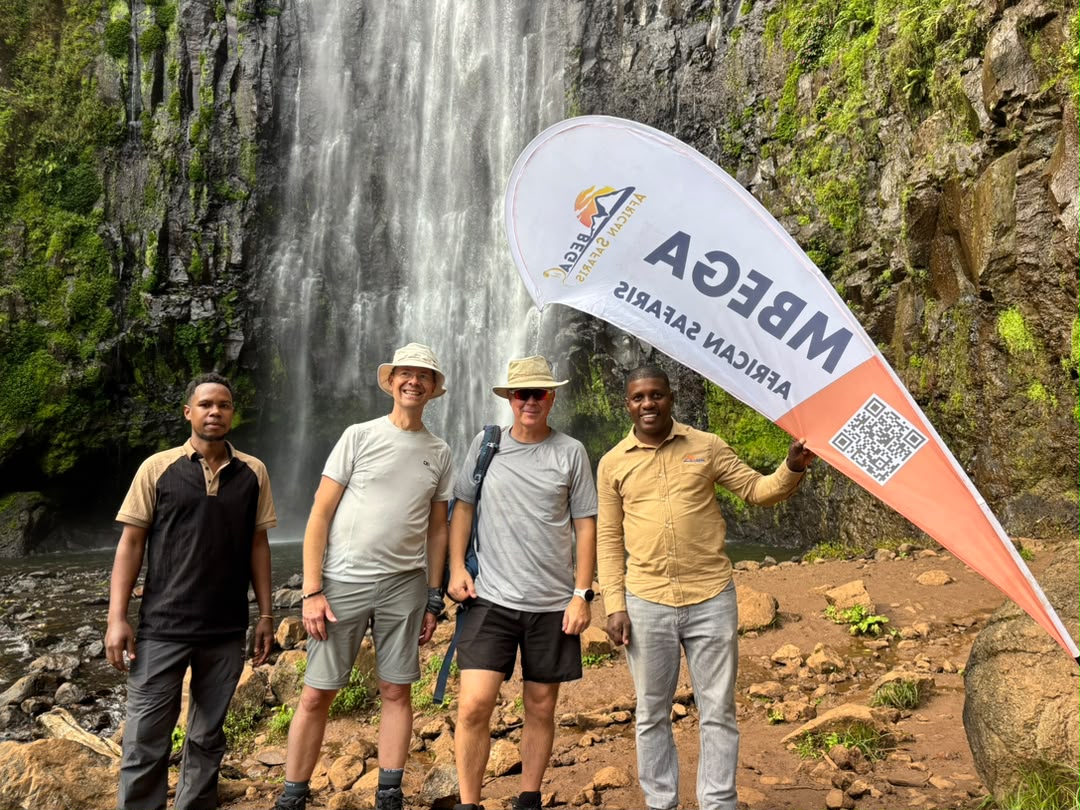
Materuni is one of the best-known villages for combining a coffee experience with a visit to the surrounding countryside. Coffee gardens, banana plants and village homes form part of the landscape, and a traditional coffee demonstration can be combined with a walk to Materuni Waterfall.
If you want both activities, allow enough time for the walk and coffee experience rather than treating the coffee preparation as a brief stop at the end of the day.
Other Coffee-Growing Villages Around Kilimanjaro
Coffee grows in several communities across the Kilimanjaro region. The particular farm or village you visit will depend on the experience arranged, the available hosts and the time you have.
Some visits focus mainly on the coffee-making process, while others include a broader introduction to village life, local farming and Chagga culture.
If coffee is your main interest, consider choosing an experience that gives you time to learn about the crop and its preparation rather than selecting an outing solely because it includes several activities.
What Happens on a Coffee Tour?
Every visit is different, but a traditional coffee experience near Moshi may include several stages, from learning about the coffee plant to preparing a cup.
1. Walk Through a Coffee Garden
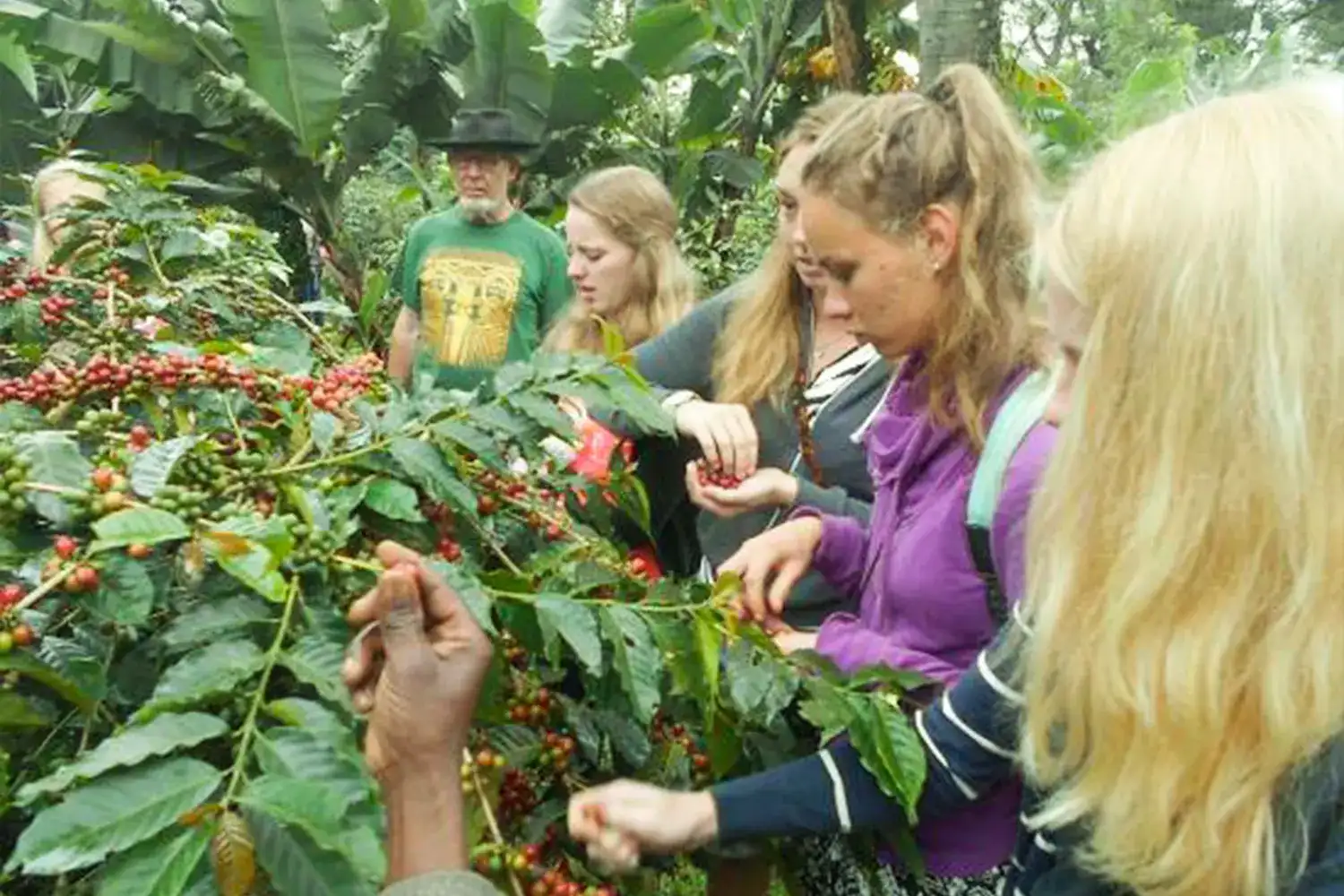
A coffee tour may begin with a walk through a garden where coffee plants grow among other crops.
This is an opportunity to see the plants up close and learn about the conditions needed to grow coffee. Depending on the farm and season, you may see coffee cherries at different stages of ripeness.
In many smallholder gardens around Kilimanjaro, coffee grows alongside banana plants and other vegetation. This mixed farming landscape reflects how households use their land for different crops rather than growing coffee in isolation.
Your guide or host can explain how coffee fits into the farm and what work is involved throughout the growing season.
2. Learn How Coffee Is Harvested and Processed
Coffee beans begin their journey inside the fruit commonly known as a coffee cherry. Before they can be roasted, the fruit must be removed and the beans prepared through the appropriate processing and drying stages.
During a farm visit, you may learn how ripe cherries are selected and what happens after harvesting. Some experiences allow visitors to participate in parts of the process, depending on the season and activities offered.
Seeing these stages helps explain why a finished cup involves considerably more work than simply roasting a handful of beans.
3. Roast the Coffee Traditionally
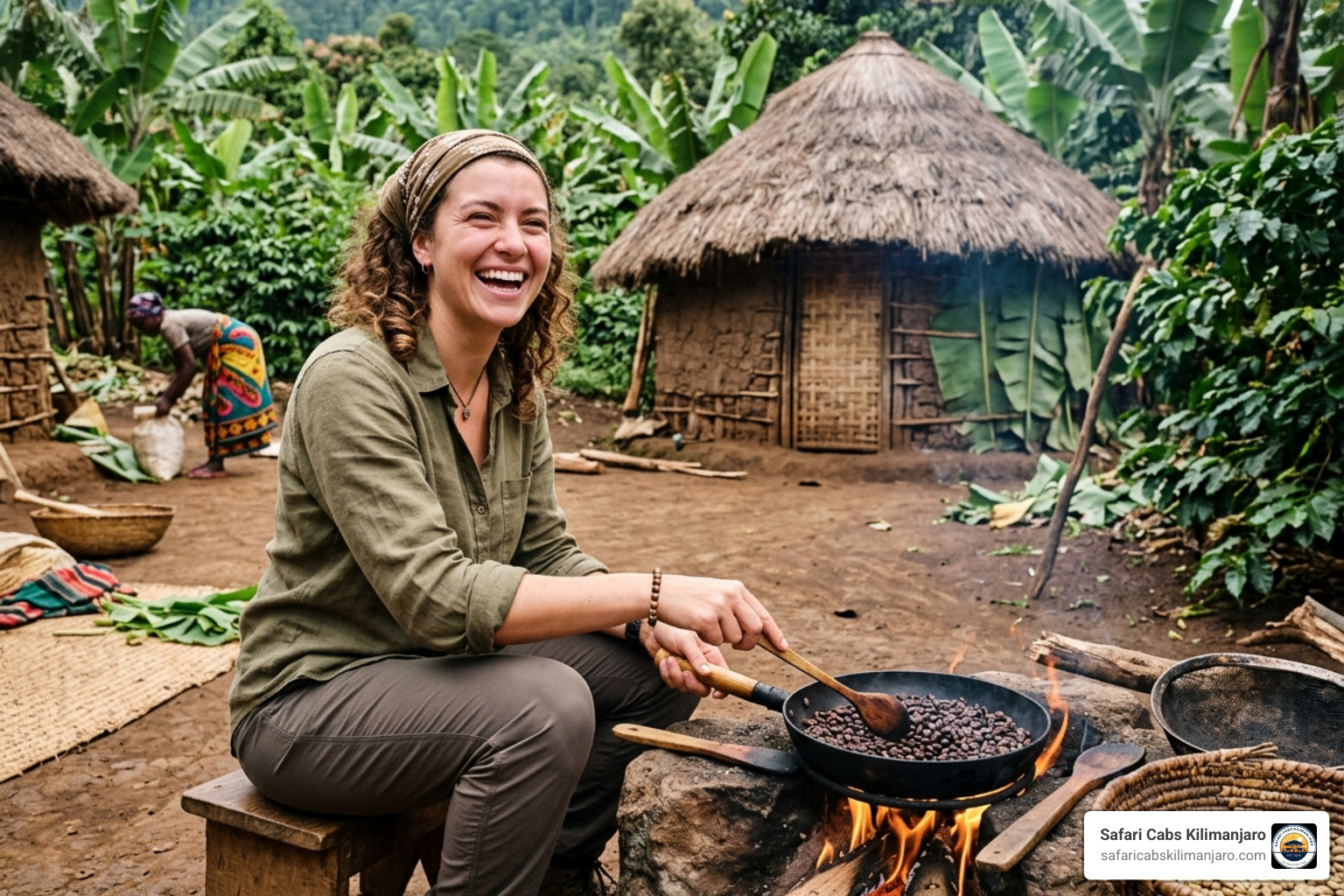
One of the most engaging parts of a traditional coffee experience is watching or taking part in roasting.
In some demonstrations, green coffee beans are heated in a pan over an open fire and stirred as they gradually darken. The aroma changes as the beans roast, and the host explains how the process prepares them for grinding and brewing.
The details can vary between households and demonstrations, but the experience gives visitors a practical introduction to a key stage of coffee preparation.
4. Grind the Beans by Hand
After roasting, the beans may be ground using traditional tools such as a mortar and pestle.
This hands-on step offers a different perspective on coffee preparation, particularly for visitors accustomed to electric grinders and automatic machines.
Some hosts incorporate traditional songs or group participation into the process. These elements are part of the particular experience offered and should not be assumed to be identical at every farm.
5. Prepare and Taste the Coffee
The experience usually concludes with the preparation and tasting of coffee.
After following the process from the garden to the roasting stage, you can appreciate the finished drink with a better understanding of the work that went into it.
Take a moment to notice the aroma, flavor and body of the coffee. If you enjoy coffee, you may find it interesting to compare this experience with the way you usually prepare it at home.
Some farms may also have roasted beans available for purchase, although availability depends on the host.
Understanding the Chagga Connection to Coffee
Coffee tours around Kilimanjaro are also an opportunity to learn about the people who cultivate the crop.
The Chagga communities live on the southern slopes of Mount Kilimanjaro and have long-established agricultural traditions. Coffee is one part of a wider farming landscape that includes bananas and other crops grown for household use and income.
During a village visit, a local host may explain how coffee is cultivated, the work involved in maintaining a garden and the role of farming in everyday life. These conversations can help visitors understand the landscape beyond its appearance.

The experience is most rewarding when approached as an opportunity to listen and learn. Every household has its own experiences, and one visit cannot represent the full diversity of Chagga life.
Where traditional preparation is demonstrated, it also provides a chance to see how practical knowledge is passed on through participation and shared experience.
Should You Choose a Coffee Tour or Combine It with Materuni Waterfall?
This depends on what you want from your day.
Choose a Coffee-Focused Visit If…
You are particularly interested in coffee growing and preparation.
You would like a cultural experience without committing to a longer waterfall hike.
You want more time to talk with your host and understand the different stages of coffee production.
You have limited time in Moshi and want to concentrate on one main activity.
Combine Coffee with Materuni Waterfall If…
You want both a cultural experience and time outdoors.
You enjoy walking through village landscapes and cultivated foothills.
You have enough time for the waterfall route as well as the coffee demonstration.
You would prefer to organize two related experiences into one outing.
Combining the activities can make good use of your time, but it also creates a longer day. If coffee is your main interest, avoid rushing through the demonstration just to fit in another attraction.
How Long Does a Coffee Tour Take?
A coffee-focused experience may take around two to three hours, while some visits last longer depending on the activities included. Combining coffee with Materuni Waterfall can turn the outing into a half-day or longer excursion.
These are planning estimates rather than fixed durations. The time required depends on the location, the route, the pace of the experience and whether a meal or other activities are included.
When arranging your visit, consider how much time you want to spend at the farm itself. A relaxed schedule allows more opportunity to ask questions, observe the process and enjoy the tasting.
When Is the Best Time to Take a Coffee Tour?
Coffee tours can be arranged at different times of the year, but what you see on the farm changes with the agricultural season.
Coffee plants move through stages of flowering, fruit development, ripening and harvesting. The timing depends on local conditions, so ripe cherries may not be available during every visit.
If you are particularly interested in seeing or participating in harvesting, ask about the expected conditions around your travel dates before making that a central part of your plans.
Even outside the harvest period, a coffee experience can still be worthwhile. Roasting, grinding, brewing and learning about the crop can provide a useful introduction to coffee production without requiring ripe cherries to be present.

Weather also influences the experience. The foothills can be wet and muddy after rain, so comfortable shoes and a light rain jacket are useful.
What Should You Bring on a Coffee Tour?
A coffee tour generally does not require specialized equipment. A few practical items will help you enjoy the visit:
Comfortable walking shoes
Lightweight clothing suitable for the weather
A light rain jacket during wetter periods
Sun protection
Drinking water
A camera or phone for photographs
Some cash if you would like to purchase coffee or other items directly from the host
If your visit includes Materuni Waterfall, bring suitable footwear for uneven paths and additional items appropriate for the hike.
It is also helpful to tell your host about any dietary requirements in advance if a meal or refreshments are part of the planned experience.
Is a Coffee Tour Suitable for Families?
A coffee experience can be a good option for families interested in food, farming and local culture. Children may enjoy seeing coffee cherries, watching beans being roasted and participating in parts of the preparation process.
The suitability of the visit depends on the activities included and the ages of the children. Hot roasting pans, open fires and traditional grinding tools require appropriate supervision.
If you are travelling with children, choose an experience with enough time for questions and participation rather than one built around a tight schedule.
A coffee-focused visit may also suit families who prefer a cultural activity without the longer walk involved in combining coffee with Materuni Waterfall.
How to Include a Coffee Tour in Your Moshi Itinerary
A coffee tour can fit naturally into a stay in Moshi before or after climbing Mount Kilimanjaro, or as part of a longer northern Tanzania holiday.
If you have a free morning, you could plan a coffee-focused visit and return to town later in the day. Travellers with more time may prefer to combine the experience with a village walk, local meal or waterfall visit.
After climbing Kilimanjaro, consider your energy levels when deciding how much to include. A relaxed coffee experience may be more comfortable than a day filled with several activities.
For travellers continuing on safari, a coffee visit can also offer a different perspective on the region before moving on to Tanzania's national parks.
The best plan depends on your travel dates, interests and available time. Allow enough room to enjoy the experience instead of treating it as a quick stop between transfers.
Frequently Asked Questions About Coffee Tours in Moshi
What is a coffee tour in Moshi?
A coffee tour is a guided visit to a coffee-growing area near Moshi, where visitors learn how coffee is cultivated and prepared. Depending on the experience, activities may include a farm walk, traditional roasting and grinding, coffee tasting and an introduction to local culture.
Where can I experience a traditional coffee tour near Moshi?
Materuni Village is one of the recognised destinations for coffee experiences near Moshi. Other villages on the slopes of Kilimanjaro also have coffee-growing communities. The best location depends on the type of visit you want and the arrangements available.
Can I make coffee myself during the tour?
Some experiences invite visitors to participate in roasting, grinding and preparing coffee using traditional methods. The activities vary, so choose an experience that includes hands-on participation if this is important to you.
Is coffee grown on Mount Kilimanjaro?
Arabica coffee is grown on the slopes of Mount Kilimanjaro and in other highland areas of northern Tanzania. The Kilimanjaro region is one of the country's recognised coffee-growing areas. <Cite refs={["turn809078search3","turn809078search35"]}/>
Can I combine a coffee tour with Materuni Waterfall?
Yes. The two experiences are commonly combined into one outing. Allow enough time for the waterfall walk and the coffee demonstration, as well as travel between Moshi and the village.
How long should I allow for a coffee tour?
A coffee-focused visit may take around two to three hours, while an outing that includes a waterfall hike or lunch can take half a day or longer. The actual duration depends on the activities and arrangements.
Can I buy coffee to take home?
Some hosts may sell roasted beans or other coffee products. Availability varies, so ask about purchasing options during your visit if you would like to take some home.
Do I need to be a coffee enthusiast to enjoy the experience?
No. The tour can appeal to anyone interested in local farming, food traditions or village life. You do not need specialist coffee knowledge to enjoy learning how the crop is grown and prepared.
Plan a Coffee Experience with Mbega African Safaris
A coffee tour near Moshi offers more than a taste of locally grown coffee. It gives you time in the foothills of Mount Kilimanjaro, an introduction to the work behind the crop and an opportunity to learn from the people who cultivate and prepare it.
At Mbega African Safaris, we can help you explore how a coffee experience might fit into your stay in Moshi, whether you would prefer a focused farm visit or a day that also includes Materuni Waterfall and other local activities.
Planning a visit to Moshi? Share your travel dates and the kind of experience you are interested in, and we can help you explore suitable options for your itinerary.