Plan a Tanzania safari in December with practical advice about wildlife, weather, the Great Migration, national parks, costs and holiday travel.
Use this article as a practical guide for planning your Tanzania journey with Mbega African Safaris.
December is an exciting time to visit Tanzania. The short rains bring fresh grass, greener landscapes and renewed wildlife activity across many safari areas. Migratory birds arrive, animals spread into seasonal grazing grounds and the northern safari circuit becomes especially attractive for photography.
The first part of December can offer good availability and fewer visitors than the main dry season. Travel demand increases around Christmas and New Year, when popular lodges, camps and flights may become fully booked.
A successful December safari depends on choosing the right destinations and preparing for changing weather.
What Is the Weather Like in December?
December falls within Tanzania’s short rain season. Rain usually arrives as brief showers rather than continuous rainfall throughout the entire day.
Mornings may begin clear before clouds develop later. Some days remain dry, while others receive afternoon or evening showers. Weather patterns vary between regions and cannot be predicted precisely.
Typical December conditions include:
- Warm daytime temperatures
- Cooler mornings in highland areas
- Short rain showers
- Green vegetation
- Occasional muddy roads
- Humid conditions near the coast
- Clear periods suitable for game drives
Pack light clothing for the daytime and a warm layer for early morning game drives. A waterproof jacket and protection for cameras and electronic equipment are also useful.
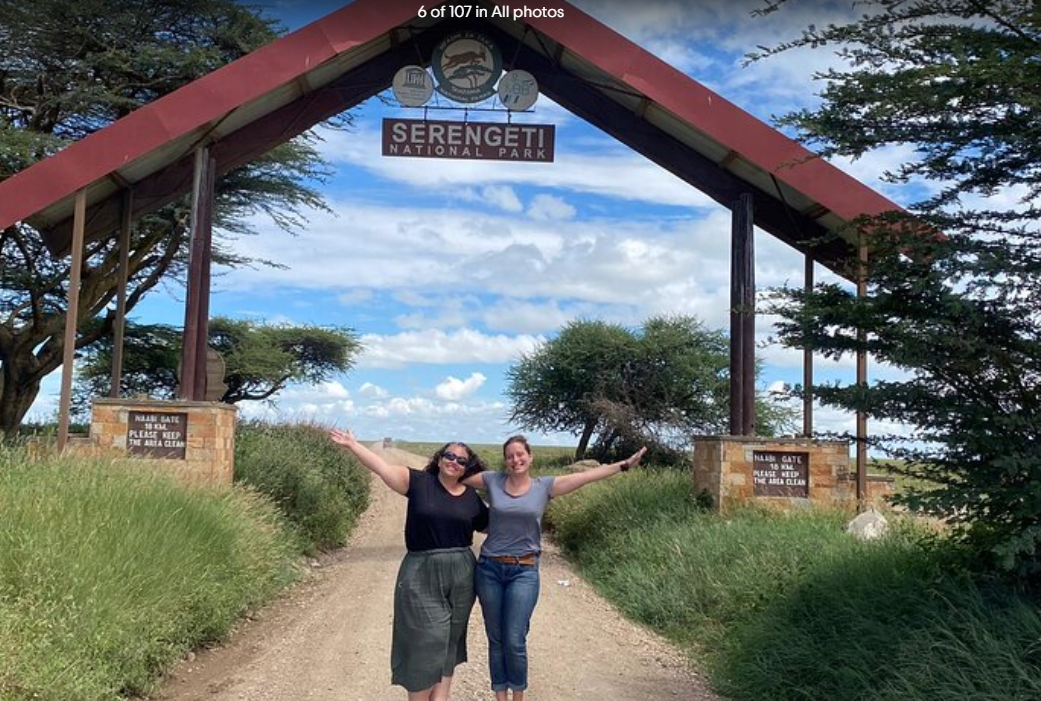
Serengeti National Park in December
Serengeti National Park is one of the best places to visit during a December safari. Wildlife remains abundant throughout the park, but the most suitable area depends on rainfall and the movement of the Great Migration.
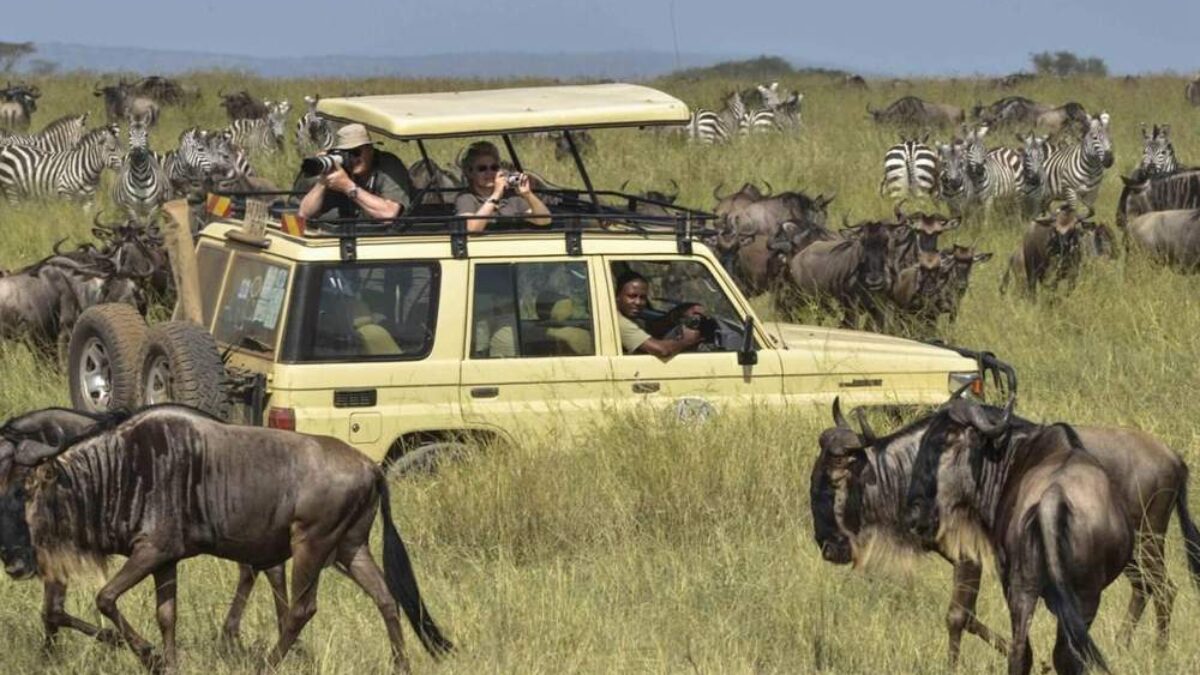
As seasonal rains create fresh grass, migrating wildebeest and zebras generally begin moving toward the southern Serengeti and Ndutu ecosystem. Their exact location changes every year according to water and grazing conditions.
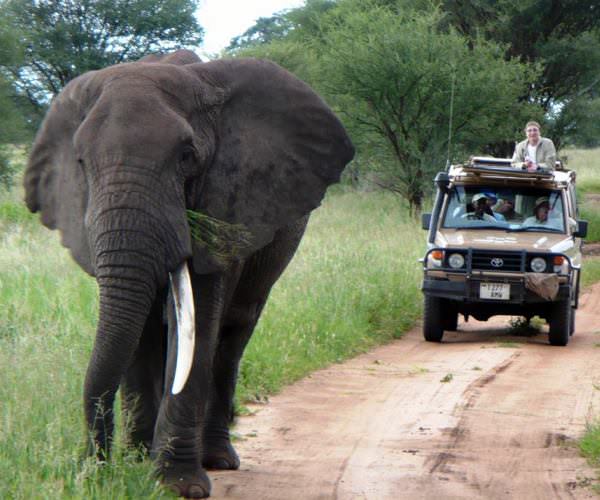
Central Serengeti remains reliable throughout the year. The Seronera area supports resident wildlife and offers opportunities to see lions, elephants, giraffes, buffaloes, leopards and other animals.
Why visit Serengeti in December?
- Green landscapes
- Great Migration movement
- Resident predators
- Migratory birds
- Wildlife photography
- Fewer visitors during early December
- Access to different Serengeti regions
Do not select your camp based only on a fixed migration map. Confirm recent herd movements close to your travel date.
Ndutu and the Southern Serengeti
Ndutu lies within the wider Ngorongoro and southern Serengeti ecosystem. It becomes increasingly important as the migrating herds move south in response to the short rains.
Some herds may reach Ndutu during December, but peak calving normally occurs later, especially from January into March. Travellers visiting in December may witness the beginning of the gathering rather than the height of the calving season.
Predators follow the migrating animals, creating opportunities to see lions, cheetahs and hyenas. Sightings depend on the herds’ location and natural wildlife movements.
Ndutu in December is best for
- Following the Great Migration
- Green plains
- Cheetah sightings
- Predator activity
- Photography
- Returning safari visitors
Flexible accommodation and guidance from an experienced local operator are important because the migration does not follow an exact calendar.
Ngorongoro Crater
Ngorongoro Crater provides reliable wildlife viewing throughout the year. Its grasslands, wetlands and woodland support lions, buffaloes, zebras, wildebeest, hippos, hyenas and different antelope species.
The crater is also one of Tanzania’s better locations for searching for the endangered black rhino, although no sighting can be guaranteed.
December brings greener scenery to the crater and surrounding highlands. Early mornings along the crater rim can be cold, misty or wet, so carry a warm jacket.
Why visit Ngorongoro in December?
- Diverse resident wildlife
- Green crater scenery
- High wildlife concentration
- Excellent photographic landscapes
- Easy combination with Serengeti
- Good destination for first time visitors
Ngorongoro becomes busy during the Christmas and New Year period. Early booking is strongly recommended.
Tarangire National Park
Tarangire is most famous for its dry season wildlife concentrations, but it remains a rewarding destination in December.
When rain creates water and grazing areas beyond the Tarangire River, some animals disperse across the larger ecosystem. Wildlife may therefore be less concentrated than during the driest months.
However, the park offers green landscapes, elephants, giraffes, zebras, buffaloes, lions and excellent birdwatching. The ancient baobab trees remain one of Tarangire’s most distinctive features.
Tarangire in December is best for
- Elephants
- Baobab landscapes
- Birdwatching
- Green season photography
- Travellers visiting the northern circuit
- Combining with Lake Manyara and Ngorongoro
Game drives may require patience because animals have access to a wider area.
Lake Manyara National Park
Lake Manyara offers groundwater forest, open areas, wetlands and views of the Great Rift Valley escarpment.
Wildlife may include elephants, giraffes, zebras, buffaloes, baboons and hippos. The park is particularly appealing to birdwatchers in December when resident and migratory species can be present.
The park is associated with tree climbing lions, but sightings are never guaranteed.
Water levels and road conditions can change after rainfall. Ask for recent information before including Lake Manyara in your itinerary.
Arusha National Park
Arusha National Park is a good choice for travellers with an extra day before or after a longer safari.
The park is known for Mount Meru, Momella Lakes, forest, giraffes, buffaloes and black and white colobus monkeys. Guided walking safaris can also be arranged in authorised areas.
December rain creates green vegetation and beautiful scenery. Clouds may cover Mount Meru or Kilimanjaro, but clear views are sometimes possible during the morning.
Nyerere National Park
Nyerere National Park offers a different safari experience in southern Tanzania. Its landscapes include woodland, rivers, lakes and open areas.
December can bring rain, green vegetation and strong birdwatching. Wildlife may be more dispersed, and some roads can become difficult after heavy rainfall.
Camp availability and activities vary during the green season. Confirm that your chosen accommodation is operating before finalising the trip.
Ruaha National Park
Ruaha is known for its wild landscapes, elephants, predators and lower visitor numbers. December marks part of the green season, bringing fresh vegetation and migratory birds.
Animals are often more widely distributed because seasonal water sources become available. Wildlife viewing can still be rewarding, but it may require more time and patience than during the dry season.
Some remote camps close during parts of the rainy season. Check accommodation and flight schedules before booking.
Is December Good for the Great Migration?
Yes, December can be a good month for the Great Migration, particularly as wildebeest and zebras move toward the southern plains.
However, the migration depends on rainfall. The herds may be spread between different areas of the eastern, central and southern Serengeti ecosystem.
December visitors should understand that:
- Herd locations change every year
- Early and late December may provide different experiences
- Ndutu calving normally peaks after December
- Resident Serengeti wildlife remains available
- Flexible routing improves the safari experience
- No company can guarantee the exact location of the herds
Ask your safari operator to select accommodation using recent migration information.

Is December a Good Month for Birdwatching?
December is an excellent time for birdwatching in Tanzania. Migratory birds join resident species, while green vegetation provides attractive backgrounds for photography.
Tarangire, Lake Manyara, Serengeti, Arusha National Park and the Ngorongoro highlands can all be rewarding.
Bring binoculars and ask for a guide with strong birding knowledge if birds are an important part of your trip.
December Safari Advantages
A December safari offers several benefits:
- Green and colourful landscapes
- Great Migration movement toward the south
- Migratory birds
- New vegetation
- Dramatic skies for photography
- Warm daytime conditions
- Lower visitor numbers in early December
- Good wildlife viewing across the northern circuit
Green season safaris can provide beautiful photographs with fewer dusty conditions than the dry months.
December Safari Challenges
Travellers should also prepare for:
- Short rain showers
- Muddy roads
- High demand during Christmas
- Higher festive season prices
- Limited lodge availability
- Changes to migration locations
- Humidity in coastal areas
- Occasional flight schedule changes
A well maintained four wheel drive safari vehicle is important during the rainy season.
Early December or Christmas Travel
Early December is usually quieter than the final two weeks of the month. It may offer better accommodation availability and more competitive prices.
Christmas and New Year are popular travel periods. Many properties apply festive supplements, minimum stay rules or special cancellation conditions.
If you plan to travel during the holiday period, reserve your preferred accommodation and domestic flights well in advance.
What to Pack for a December Safari
Pack clothing suitable for warm days, cool mornings and possible rain.
Recommended items include:
- Lightweight neutral clothing
- Warm fleece or jacket
- Waterproof rain jacket
- Comfortable closed shoes
- Sun hat
- Sunglasses
- Sunscreen
- Insect repellent
- Binoculars
- Camera protection
- Small waterproof bags
- Personal medication
- Travel documents
- Reusable water bottle
Avoid packing only heavy clothing. Layering makes it easier to adjust as temperatures change.
Can You Combine Safari and Zanzibar in December?
Yes. December is a popular month for combining a mainland safari with Zanzibar.
Zanzibar is generally warm and humid, with the possibility of short rain showers. Beach conditions vary by location, tide and daily weather.
The Christmas and New Year period is especially busy. Beach hotels and flights should be booked early.
A typical combination may include Serengeti, Ngorongoro and several nights in Zanzibar.
Recommended December Safari Routes
Five Day Northern Tanzania Safari
- Tarangire National Park
- Central Serengeti
- Ngorongoro Crater
Six Day Migration Safari
- Tarangire National Park
- Central Serengeti
- Ndutu or southern Serengeti
- Ngorongoro Crater
Seven Day Safari and Beach Holiday
- Tarangire National Park
- Serengeti National Park
- Ngorongoro Crater
- Zanzibar
The final route should reflect current wildlife conditions, accommodation availability and your arrival airport.
Is December Suitable for Families?
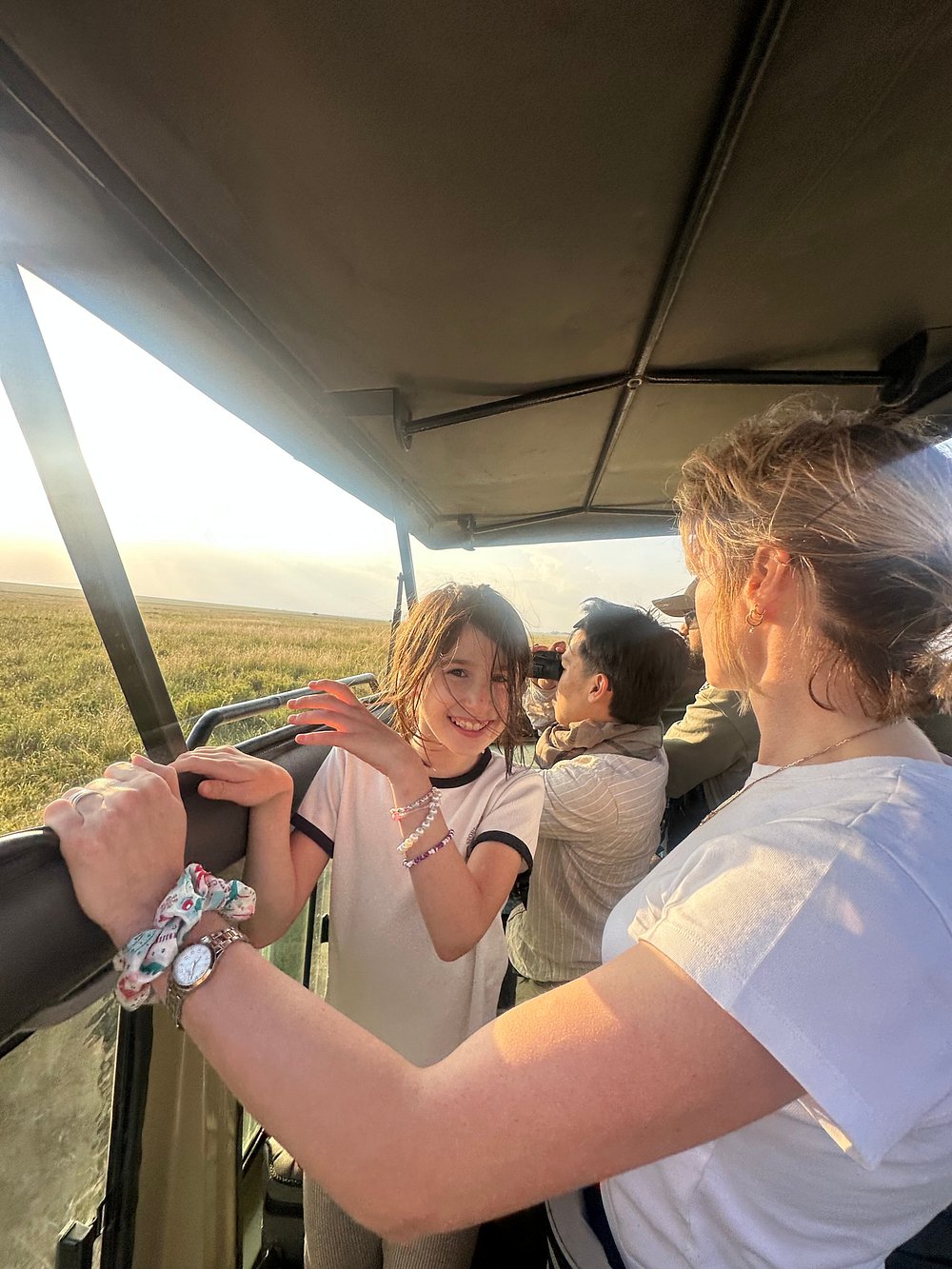
December can be an excellent time for a family safari, particularly during school holidays.
A private safari vehicle provides flexibility for children, meal times and rest stops. Families should avoid overly long driving schedules and select accommodation suitable for the children’s ages.
Some camps have age restrictions for walking safaris or other activities. Confirm these conditions before booking.
Book Your December Safari in Tanzania
Mbega African Safaris arranges private and shared December safaris from Moshi and Arusha. We can help you select the best parks, follow seasonal wildlife movements and combine your safari with Kilimanjaro or Zanzibar.
Contact us with your travel dates, number of travellers, preferred accommodation level and desired destinations. Our team will prepare a personalised itinerary and clear quotation for your December safari in Tanzania.