Discover the differences in scenery, acclimatization, trekking duration, difficulty, crowds and costs to choose the best route for your Mount Kilimanjaro adventure.
Use this article as a practical guide for planning your Tanzania journey with Mbega African Safaris.
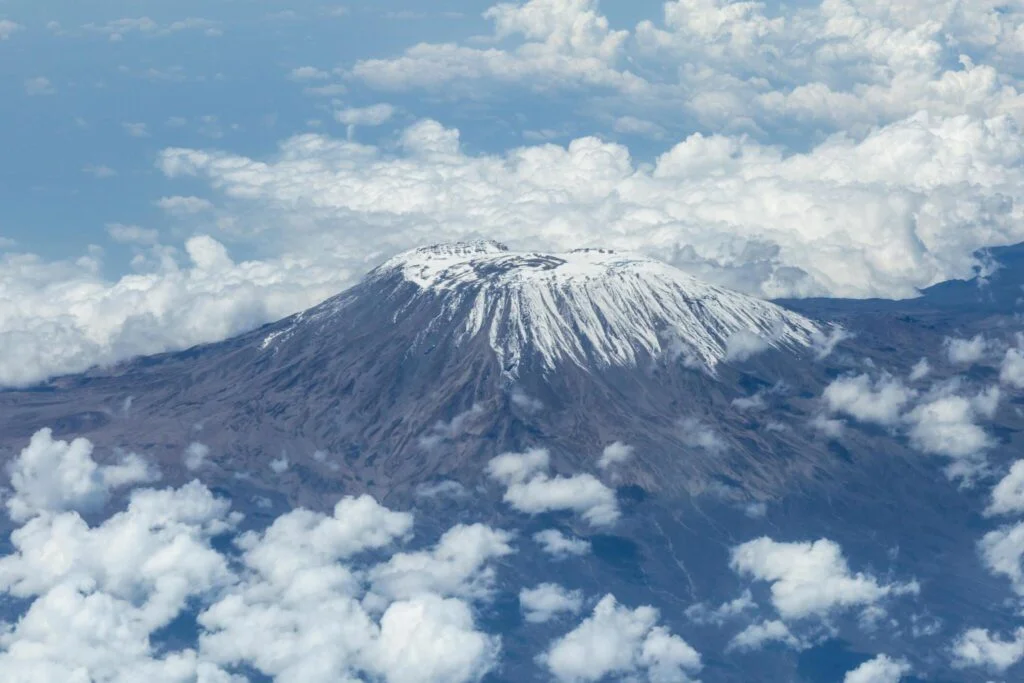
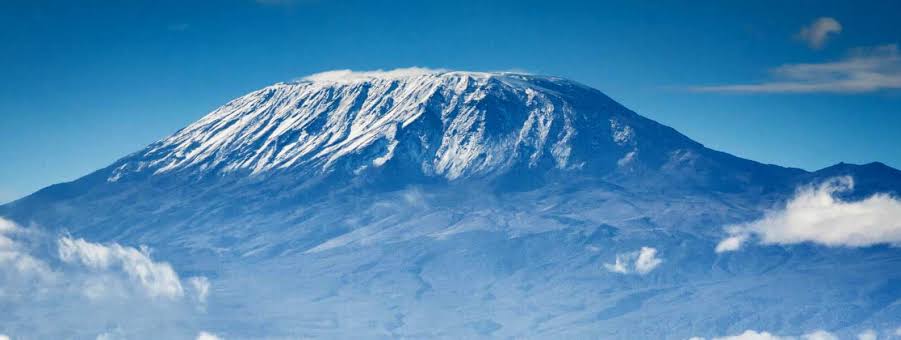
Climbing Mount Kilimanjaro is one of the most rewarding adventures in Africa. Rising to 5,895 metres above sea level, Africa's highest mountain attracts travellers from around the world who dream of reaching Uhuru Peak and experiencing Tanzania's extraordinary mountain landscapes.
When planning your climb, two popular options are the Lemosho Route and the Machame Route. Both offer spectacular scenery, diverse vegetation zones and the opportunity to reach the summit. However, they differ in their starting points, trekking experiences, itinerary lengths and overall costs.
At Mbega African Safaris, we help travellers choose Kilimanjaro climbing itineraries that match their fitness, travel schedules, budgets and acclimatization needs.
In this guide, we compare the Lemosho Route and Machame Route to help you decide which is best for your Tanzanian adventure.
1. What Is the Lemosho Route?
The Lemosho Route approaches Mount Kilimanjaro from the western side of the mountain. It is widely appreciated for its scenic wilderness, quieter early trekking stages and gradual approach across the Shira Plateau.
The journey begins near Londorossi Gate, where trekkers enter a beautiful forest environment before progressing through changing landscapes towards the higher mountain zones.
As the trek continues, the scenery changes from rainforest to moorland, volcanic terrain and alpine desert. Trekkers enjoy expansive views of Kilimanjaro and the surrounding landscapes before joining the southern circuit and eventually approaching the summit.
Key features of the Lemosho Route:
Typical duration: 7–8 days, with longer itineraries also available.
Starting point: Londorossi Gate on the western side of Kilimanjaro.
Scenery: Rainforest, Shira Plateau, moorland, volcanic landscapes and alpine desert.
Crowds: Generally quieter during the early stages, although the route becomes busier where trails converge.
Acclimatization: Longer itineraries allow additional time for gradual altitude adjustment.
Best suited for: Trekkers who value scenic variety, a quieter beginning and more time on the mountain.
The Lemosho Route is an excellent option for travellers who want a gradual trekking experience and have enough time to spend seven or eight days on the mountain.
2. What Is the Machame Route?
The Machame Route approaches Kilimanjaro from the southern side and is famous for its dramatic scenery, varied terrain and rewarding mountain experience.
Often called the Whiskey Route, Machame takes trekkers through rainforest, open moorland, rocky ridges and high-altitude desert. The route also features memorable sections such as the Barranco Wall, where hikers navigate a steep, rocky trail that generally requires scrambling rather than technical climbing.
Machame itineraries commonly last six or seven days, although seven-day itineraries generally provide more time for acclimatization than shorter versions.
Key features of the Machame Route:
Typical duration: 6–7 days.
Destination Detail Starting point: Machame Gate on the southern side of Kilimanjaro.
Scenery: Rainforest, Shira Plateau, Lava Tower area, Barranco Valley and alpine desert.
Crowds: Popular and often busy, particularly during peak trekking seasons.
Acclimatization: Offers useful altitude-adjustment opportunities, especially on longer itineraries.
Best suited for: Trekkers seeking spectacular scenery, challenging hiking and a range of itinerary options.
Machame is particularly attractive to adventurous hikers who enjoy varied landscapes and want a well-established route with several itinerary choices.
3. Lemosho Route vs Machame Route: Main Differences
Although the Lemosho and Machame routes share several sections of the mountain, their starting points and early trekking experiences are different.
| Feature | Lemosho Route | Machame Route |
|---|---|---|
| Starting side | Western approach | Southern approach |
| Typical duration | 7–8 days | 6–7 days |
| Early trekking experience | Generally quieter wilderness approach | Popular and established trail |
| Scenery | Shira Plateau and western mountain landscapes | Southern slopes, Barranco Valley and dramatic ridges |
| Acclimatization | Longer itineraries allow gradual adjustment | Seven-day itineraries offer more time than six-day options |
| Difficulty | Challenging | Challenging |
| Crowds | Quieter initially; busier later | Often busier during peak season |
| Relative cost | Often higher because of longer duration and logistics | May be less expensive on shorter itineraries |
| Best for | Scenic variety and a gradual journey | Dramatic hiking and itinerary flexibility |
Neither route guarantees a successful summit. Fitness, altitude response, weather, itinerary design, guide decisions and safe pacing all influence the outcome.
4. Which Route Offers Better Scenery?
Both routes offer outstanding scenery, but each provides a slightly different experience.
Lemosho Route: Wide-Open Wilderness
Lemosho is ideal for trekkers who appreciate remote-feeling landscapes, broad plateau views and a scenic transition from forest to high-altitude terrain. Its western approach creates a distinctive beginning to the climb.
The Shira Plateau is one of the route's highlights, offering expansive landscapes and impressive views of the mountain. As trekkers continue, they encounter unique vegetation, rocky terrain and dramatic alpine scenery.
Machame Route: Dramatic Mountain Trails
Machame is known for striking ridgelines, varied vegetation and memorable viewpoints around the southern circuit. The Barranco Wall is one of its most recognizable trekking highlights.
The route offers a rewarding combination of rainforest, open mountain slopes, valleys and rocky terrain, making it an excellent choice for travellers who enjoy varied hiking environments.
Which should you choose? Select Lemosho if you prefer a quieter beginning and expansive wilderness. Choose Machame if you enjoy dramatic hiking trails and a classic southern-circuit experience.
5. Which Route Is Easier?
Neither Lemosho nor Machame should be considered an easy climb. Both involve long walking days, steep sections, cold temperatures and the physiological challenges of high altitude.
The most important practical difference is often the itinerary length rather than the route name itself.
Lemosho commonly uses seven- or eight-day itineraries, while Machame is frequently offered over six or seven days. An additional day can provide more opportunity to adjust to altitude and may make the overall experience less rushed.
However, a longer itinerary does not eliminate the risk of altitude sickness. Individual acclimatization varies, and even well-prepared trekkers can experience altitude-related problems.
To prepare for either route:
Train with regular hikes and uphill walks before your trip.
Follow your guide's recommended pace, particularly at higher elevations.
Drink fluids regularly and eat enough to maintain your energy.
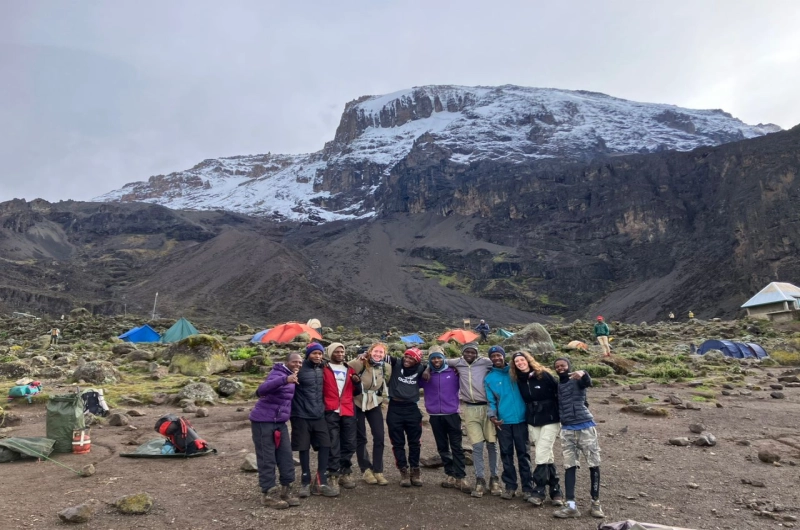
Safari Experience Inform your guide immediately about headaches, nausea, dizziness or unusual fatigue.
Follow altitude-safety instructions and descend when medically indicated.
Our recommendation: If your schedule and budget allow, consider a seven-day Machame itinerary or a seven- to eight-day Lemosho itinerary rather than choosing a shorter climb solely to save money.
6. Acclimatization and Summit Success
Altitude acclimatization is one of the most important considerations when selecting a Kilimanjaro route.
As you ascend, atmospheric pressure decreases, reducing the amount of oxygen available with each breath. Your body needs time to adapt, and ascending too quickly can increase the risk of acute mountain sickness.
Lemosho's longer itineraries can provide a useful advantage because they allow more time for gradual ascent. Machame can also support effective acclimatization when the itinerary is designed appropriately and includes a sensible ascent profile.
Both routes commonly include the Lava Tower area and the southern circuit, depending on the itinerary. These sections can support the principle of climbing high and sleeping lower, although the exact schedule varies.
Summit success rates are not directly comparable unless the reporting methods, itinerary lengths, seasons and definitions of success are consistent.
When choosing a climb, prioritize:
Adequate time for acclimatization.
Experienced mountain guides.
Daily health monitoring and clear emergency procedures.
A responsible descent plan.
A realistic itinerary based on your fitness and experience.
At Mbega African Safaris, we encourage travellers to choose a safe, well-paced itinerary instead of focusing only on reaching the summit as quickly as possible.
7. How Much Does Lemosho Cost Compared with Machame?
The price of a Kilimanjaro climb depends on the number of trekking days, group size, accommodation before and after the climb, park fees, crew arrangements, transport and the services included in the package.
Lemosho often costs more than a comparable shorter Machame package because it generally requires additional days of mountain logistics, food, crew support and camping arrangements.
However, the price difference is not fixed. A seven-day Machame climb may cost a similar amount to a Lemosho package offered by another operator, while a private climb may cost more than either group option.
Before booking, confirm whether your package includes:
Kilimanjaro National Park fees and applicable taxes.
Mountain guides, porters and cooks.
Tents, sleeping arrangements and meals on the mountain.
Transfers between your hotel and the park gates.
Pre-climb and post-climb accommodation, if advertised.
Airport transfers, where included.
Emergency procedures and evacuation arrangements.
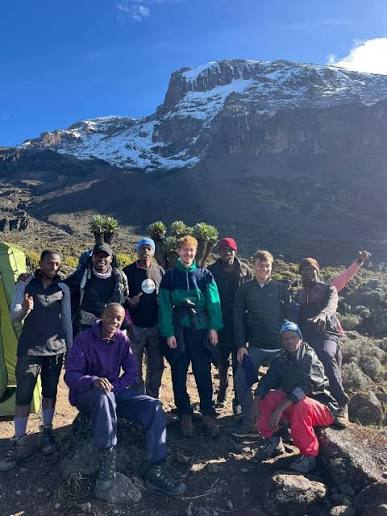
Local Experience Guide and crew tipping guidance.
Do not compare packages by headline price alone. A transparent itinerary with adequate acclimatization and properly supported mountain staff is more valuable than an unusually cheap climb with unclear inclusions.
Contact Mbega African Safaris for a quotation based on your preferred route, travel dates, group size and package category.
8. Best Time to Climb Lemosho or Machame
Both routes can be climbed during the main Kilimanjaro trekking seasons. Weather conditions vary, and no month guarantees clear skies or completely dry trails.
January to early March: Often a favorable period for trekking, with generally good conditions at many stages of the mountain, although rain and snow remain possible.
June to October: A popular trekking period, particularly during the drier months. Trails can be busier during peak travel seasons.
March to May: The long-rain period generally brings wetter conditions, especially in the forest. Treks remain possible, but muddy trails, clouds and rain can affect the experience.
November to early December: The short rains can bring intermittent showers, although conditions vary from year to year.
For either route, prepare waterproof outer layers, warm insulated clothing, hiking boots, gloves, a hat and a comfortable daypack. Your tour operator should provide a detailed packing list based on your departure date and itinerary.
9. Lemosho or Machame: Which Route Should You Choose?
Choose Lemosho If You:
Prefer a quieter beginning to your trek.
Want to explore the western side of Kilimanjaro.
Have seven or eight days available.
Value scenic variety and a gradual trekking itinerary.
Prefer to invest in a longer mountain experience.
Choose Machame If You:
Enjoy dramatic mountain trails and varied terrain.
Want a popular, established climbing route.
Have six or seven days available.
Are comfortable with steep hiking sections and long trekking days.
Want to compare several group and private itinerary options.
For many first-time climbers, both routes are excellent choices when matched with an appropriate itinerary. If you have the time and budget, a longer itinerary on either route is worth considering.
The best route is not necessarily the one with the most dramatic scenery or the lowest price. It is the one that matches your physical preparation, available time, personal preferences and need for appropriate acclimatization.
10. Can Beginners Climb Lemosho or Machame?
Yes. Beginners can attempt either route without previous mountaineering experience, provided they are appropriately prepared and medically fit for the demands of high-altitude trekking.
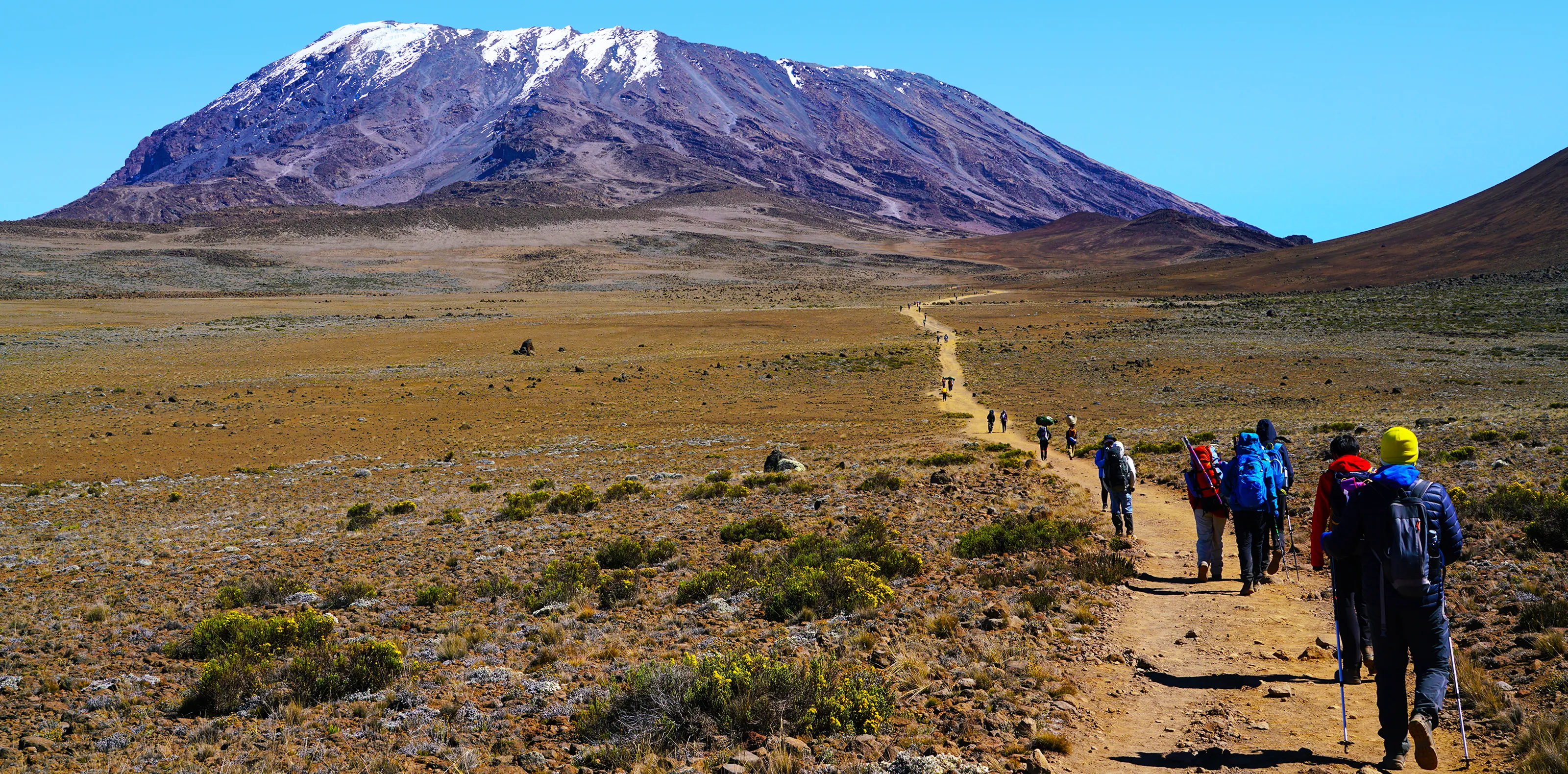
Neither route requires technical mountaineering skills under normal conditions, but both demand endurance, determination and the ability to walk for several hours each day.
Before departure, build your fitness through regular walking, hill training, stair climbing and progressively longer hikes. Practise carrying the daypack you intend to use on the mountain.
If this is your first high-altitude trek, discuss your fitness, medical considerations and preferred itinerary with your tour operator before booking.
Most importantly, be prepared to follow your guide's advice even if it means changing your summit plan. Safety must always come before reaching the top.
11. Combine Your Kilimanjaro Climb with a Tanzania Safari or Zanzibar Holiday
One of the advantages of climbing Kilimanjaro is the opportunity to combine your trek with other unforgettable experiences in Tanzania.
After descending from the mountain, you can explore the country's wildlife destinations or relax along the Indian Ocean coast.
Popular extensions include:
Serengeti National Park: Discover vast savannahs and exceptional wildlife viewing.
Ngorongoro Crater: Explore a remarkable volcanic landscape known for its wildlife.
Tarangire National Park: Look for elephants, baobab trees and seasonal wildlife concentrations.
Zanzibar: Enjoy white-sand beaches, historic Stone Town and coastal excursions.
Allow time to recover after your climb before starting an intensive safari or other physically demanding activity. A well-planned itinerary can combine mountain adventure, wildlife and beach relaxation without making the trip feel rushed.
Mbega African Safaris can help you explore options for combining your Kilimanjaro climb with a Tanzania safari or a Zanzibar holiday.
12. Book Your Kilimanjaro Adventure with Mbega African Safaris
Choosing the right Kilimanjaro route is the first step towards a rewarding mountain adventure. Lemosho offers a scenic western approach and longer itinerary options, while Machame delivers a classic southern-circuit experience filled with dramatic mountain landscapes.
The best route for you depends on your available time, budget, fitness and preferences. With careful preparation, a responsible guide team and an appropriate acclimatization schedule, either route can offer an unforgettable journey to Africa's highest mountain.
At Mbega African Safaris, we organize Kilimanjaro climbing adventures designed around different travel styles, budgets and schedules. Our team can help you compare Lemosho and Machame itineraries, understand package inclusions and plan additional safari or Zanzibar experiences.
Ready to climb Mount Kilimanjaro?
Contact Mbega African Safaris to request your personalized trekking itinerary and quotation. Tell us your preferred travel dates, group size and route, and let us help you plan your journey to Uhuru Peak.
Your Kilimanjaro adventure starts with the right plan.