Overview
Mount Kilimanjaro in Tanzania is one of the world's most famous trekking destinations, attracting adventurers from South America and across the globe. Stan...
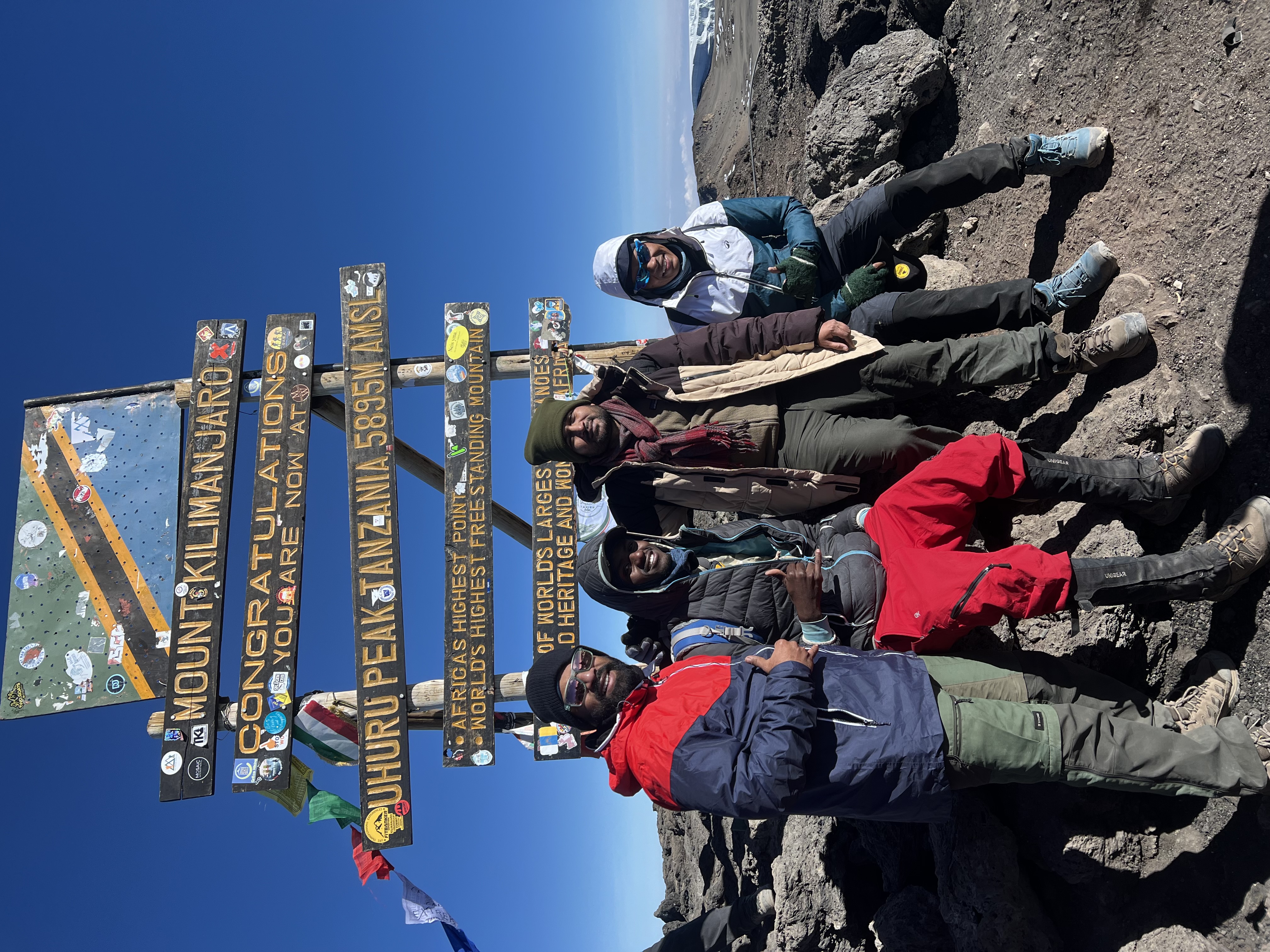
Mount Kilimanjaro in Tanzania is one of the world's most famous trekking destinations, attracting adventurers from South America and across the globe. Standing at approximately 5,895 metres above sea level, Uhuru Peak offers an unforgettable challenge for travelers seeking to reach the highest point in Africa.
The Marangu Route is a popular climbing option because it follows a well established trail and provides mountain hut accommodation instead of camping. This five day private budget trekking package is designed for travelers who want a guided Kilimanjaro experience while keeping costs manageable.
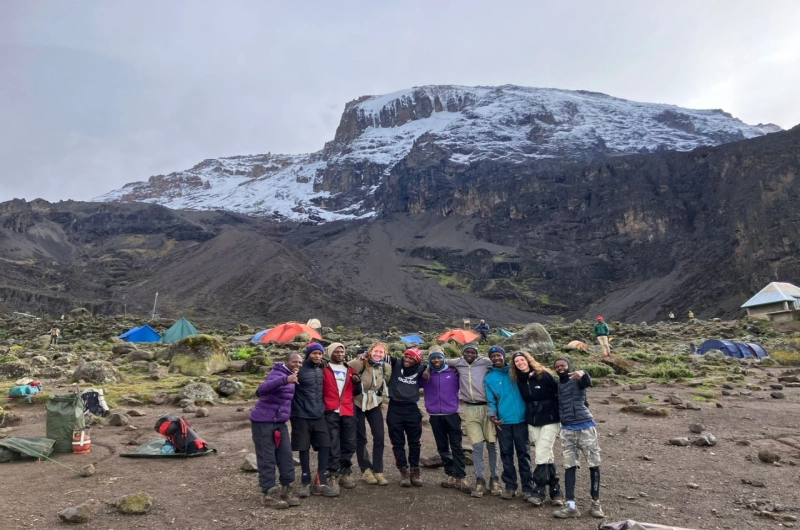
Your journey begins in Tanzania, with arrival arrangements from Kilimanjaro International Airport or another agreed location. After a briefing and equipment check, you begin trekking through lush rainforest, moorland, and high altitude alpine terrain. Experienced mountain guides lead the expedition, while mountain crews assist with meals and accommodation arrangements.
The five day Marangu itinerary is demanding because it allows limited time for acclimatization. Although reaching Uhuru Peak is the goal, summit success cannot be guaranteed. Climbers should consider their fitness, previous altitude experience, and the benefits of adding an acclimatization day or choosing a longer itinerary.
Mbega African Safaris helps international travelers organize a private Kilimanjaro climb with professional support, clear arrangements, and an itinerary suited to their travel plans.
Included And Excluded
Included
- ✓Professional English speaking mountain guides
- ✓Licensed assistant guides according to group size
- ✓Mountain cook and full climbing crew
- ✓Porters for tents, food, equipment and group supplies
- ✓Kilimanjaro National Park fees
- ✓Camping or hut fees according to the selected route
- ✓Rescue fees and crew permits
- ✓Three meals per day during the climb
- ✓Safe drinking water during the trek
- ✓Mountain tents, dining tent, table and chairs for camping routes
- ✓Airport or hotel transfer to and from the mountain gate when included
- ✓Pre climb briefing and gear check in Moshi
Excluded
- ⊗International and domestic flights
- ⊗Tanzania visa fees
- ⊗Travel and medical insurance
- ⊗Personal trekking gear and sleeping bag
- ⊗Tips for guides, cook and porters
- ⊗Hotel accommodation before and after the climb unless stated
- ⊗Personal snacks, soft drinks and alcoholic drinks
- ⊗Portable private toilet unless requested
- ⊗Laundry, phone calls and personal expenses
- ⊗Extra oxygen usage beyond emergency support where applicable
Tour Plan
Day 01Marangu Gate to Mandara Hut⌄
Your Kilimanjaro adventure begins with pickup from your hotel in Moshi or another agreed location. Meet your mountain guide, complete the final equipment check, and drive to Marangu Gate for registration and the required park formalities.
Begin trekking through the beautiful montane rainforest, following a well marked trail beneath towering trees and thick vegetation. Keep an eye out for colobus monkeys, birdlife, and other wildlife that inhabit this forest environment.
The trail gradually climbs toward Mandara Hut, where you spend your first night on the mountain. After arriving, settle into the mountain hut accommodation and enjoy a freshly prepared meal from your trekking crew.
Your guide will explain the next day's route and provide guidance on hydration, walking pace, and altitude awareness.
Hiking time: Approximately 4 to 5 hours.
Accommodation: Mandara Hut.
Meals: Lunch and dinner, according to the confirmed itinerary.
Day 02Mandara Hut to Horombo Hut⌄
After breakfast, leave the rainforest behind as the trail opens into moorland with wide views across the surrounding landscape. Continue toward Horombo Hut, following a gradual but sustained ascent.
As you gain altitude, the vegetation becomes more open, revealing giant groundsels, lobelias, and distinctive high altitude plants. Weather permitting, you may enjoy views of the volcanic peaks and the broad mountain slopes.
Your guide will encourage a steady pace and regular hydration. Because the body needs time to adapt to lower oxygen availability, avoid rushing even if you feel comfortable during the early stages.
Arrive at Horombo Hut, where you have dinner and rest overnight.
Hiking time: Approximately 5 to 7 hours.
Accommodation: Horombo Hut.
Meals: Breakfast, lunch, and dinner.
Day 03Horombo Hut to Kibo Hut⌄
After breakfast, continue upward across the alpine moorland toward the more barren high altitude landscape between Horombo and Kibo huts. The route passes through the Saddle, a broad area of open terrain between Mawenzi and Kibo peaks.
The scenery becomes increasingly stark as trees and most vegetation disappear. Walk slowly, follow your guide's instructions, and communicate any headache, nausea, dizziness, unusual fatigue, or breathing difficulties immediately.
Arrive at Kibo Hut, where you prepare for the summit attempt. Your guide will discuss the expected departure time, clothing layers, headlamp, water, and safety procedures.
Rest as much as possible and eat an early dinner before the overnight summit climb.
Hiking time: Approximately 5 to 7 hours.
Accommodation: Kibo Hut.
Meals: Breakfast, lunch, and dinner.
Day 04Kibo Hut to Uhuru Peak and Horombo Hut⌄
Your summit attempt usually begins around midnight, when the trail climbs steeply toward Gilman's Point on the crater rim. This is one of the most physically demanding parts of the Marangu Route, with cold temperatures, darkness, and high altitude making progress challenging.
Follow your guide's pace, take short breaks when appropriate, and focus on steady breathing. If conditions and your physical state allow, continue toward Stella Point and then Uhuru Peak at 5,895 metres.
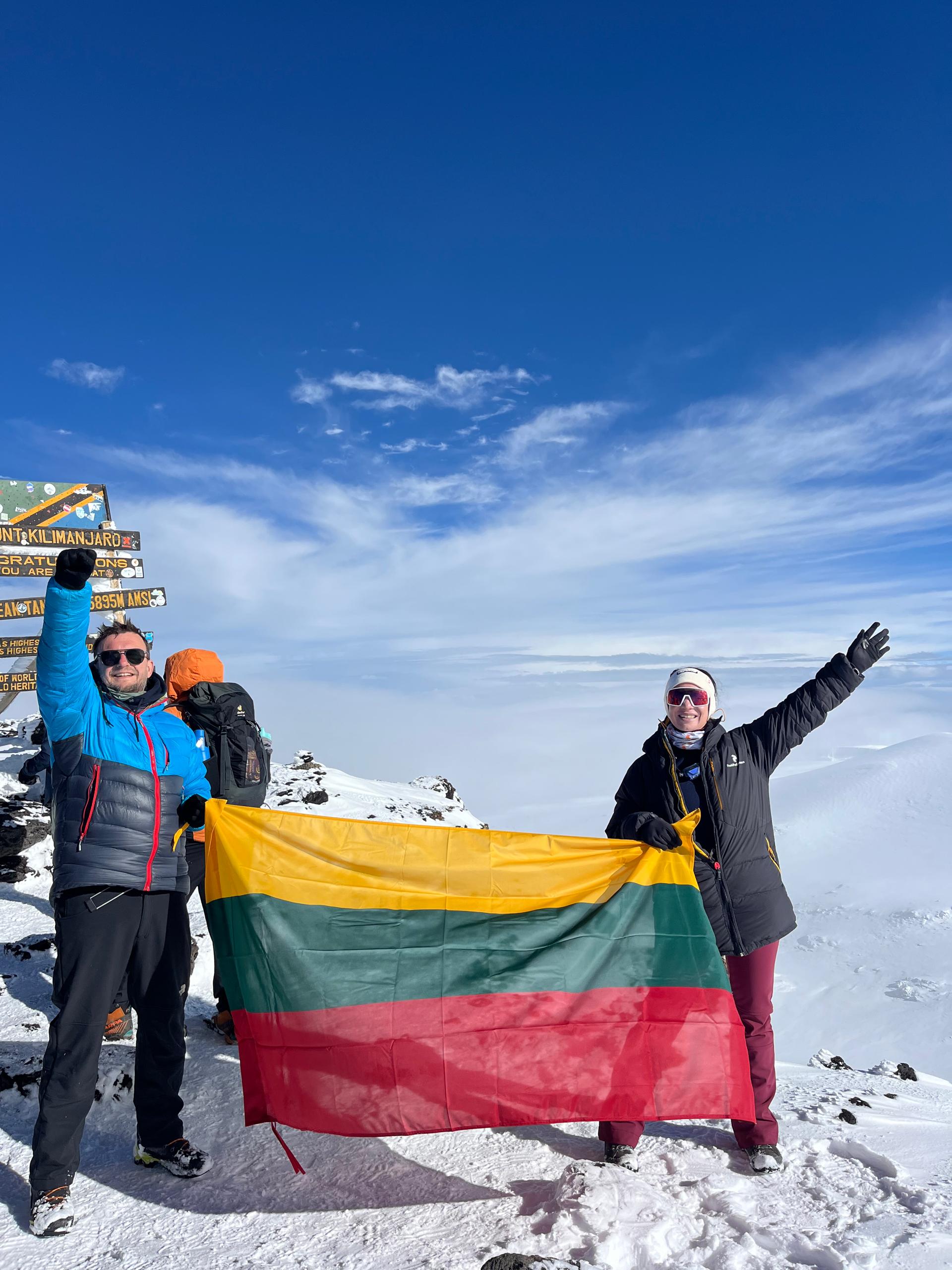
Reaching the summit is a major achievement, offering expansive views across the mountain and surrounding landscapes when weather conditions permit. Spend a short time taking photographs and celebrating before beginning the descent.
Descend to Kibo Hut for a brief rest, then continue down to Horombo Hut. This is a particularly long and strenuous day, so careful pacing and support from your guide are essential.
If you develop symptoms of altitude illness, your guide may need to stop the ascent and arrange an immediate descent. Safety takes priority over reaching the summit.
Hiking time: Approximately 12 to 16 hours in total, depending on conditions and individual pace.
Accommodation: Horombo Hut.
Meals: Breakfast, lunch, and dinner, according to the confirmed itinerary.
Day 05Horombo Hut to Marangu Gate⌄
Enjoy breakfast before beginning the final descent through the moorland and rainforest. Follow the familiar trail down the mountain, taking care on uneven or slippery sections.
At Marangu Gate, complete the required exit formalities and receive your climbing certificate if you have reached the qualifying summit point. Your driver will meet you for transfer to your hotel in Moshi or another agreed destination.
Celebrate the completion of your Kilimanjaro adventure and enjoy time to rest after the demanding trek.
Hiking time: Approximately 5 to 7 hours.
Meals: Breakfast and lunch, according to the confirmed itinerary.
Useful Information
Travellers who want a professionally supported Kilimanjaro climb with clear route planning, acclimatization advice and a reliable mountain crew.
Camping routes use mountain tents while Marangu uses mountain huts. Hotels before or after the climb can be arranged on request.
Good general fitness is recommended. A slower pace, hydration and enough acclimatization days improve summit success.
Bring layered clothing, waterproof gear, warm summit clothing, broken in hiking boots and a duffel bag for porters.
Guides monitor pace, symptoms of altitude sickness and overall condition throughout the climb.
Private climbs, group departures, full moon climbs and safari extensions can be arranged.
Frequently Asked Questions
How difficult is climbing Kilimanjaro?+
Kilimanjaro is a non technical mountain, but altitude makes it challenging. Choosing a good route, walking slowly and allowing enough acclimatization days are important.
Which Kilimanjaro route has the best success rate?+
Longer routes such as Lemosho, Machame seven days and Northern Circuit usually give better acclimatization than shorter itineraries.
Do I need climbing experience?+
No technical climbing experience is required, but previous hiking experience and good fitness are helpful.
When is the best time to climb Kilimanjaro?+
The popular dry seasons are January to early March and June to October, although climbs can be arranged throughout the year.
Can I add a safari after the climb?+
Yes. Many travellers add Tarangire, Ngorongoro, Serengeti or Zanzibar after Kilimanjaro.
 1 Day Lake Manyara Private Safari From Airport TanzaniaExplore