
We explain February wildlife, Ndutu calving season and how to plan a rewarding safari.
Use this article as a practical guide for planning your Tanzania journey with Mbega African Safaris.
Is February a Good Month for a Tanzania Safari?
Yes. February is a particularly rewarding time for a northern Tanzania safari, especially if you want to experience wildebeest calving around Ndutu and the southern Serengeti plains.
At Mbega African Safaris, we recommend February to travellers interested in migration herds, young wildlife and varied game drives. We can combine Ndutu with Ngorongoro Crater, Central Serengeti or Tarangire according to your available days.
Here is what makes February worth considering:
- Calving season — A strong seasonal window for seeing young wildebeest.
- Wildlife viewing — Opportunities to observe grazing herds and predators.
- Varied destinations—Several northern safari areas can fit into one route.
- Photography — Opportunities to capture wildlife behaviour and seasonal scenery.
- Flexible holidays — Combine safari with a Zanzibar beach stay.
The key is choosing a route that matches February’s wildlife patterns rather than following an itinerary designed for another season.
1. Why Is February Important for Wildebeest Calving?
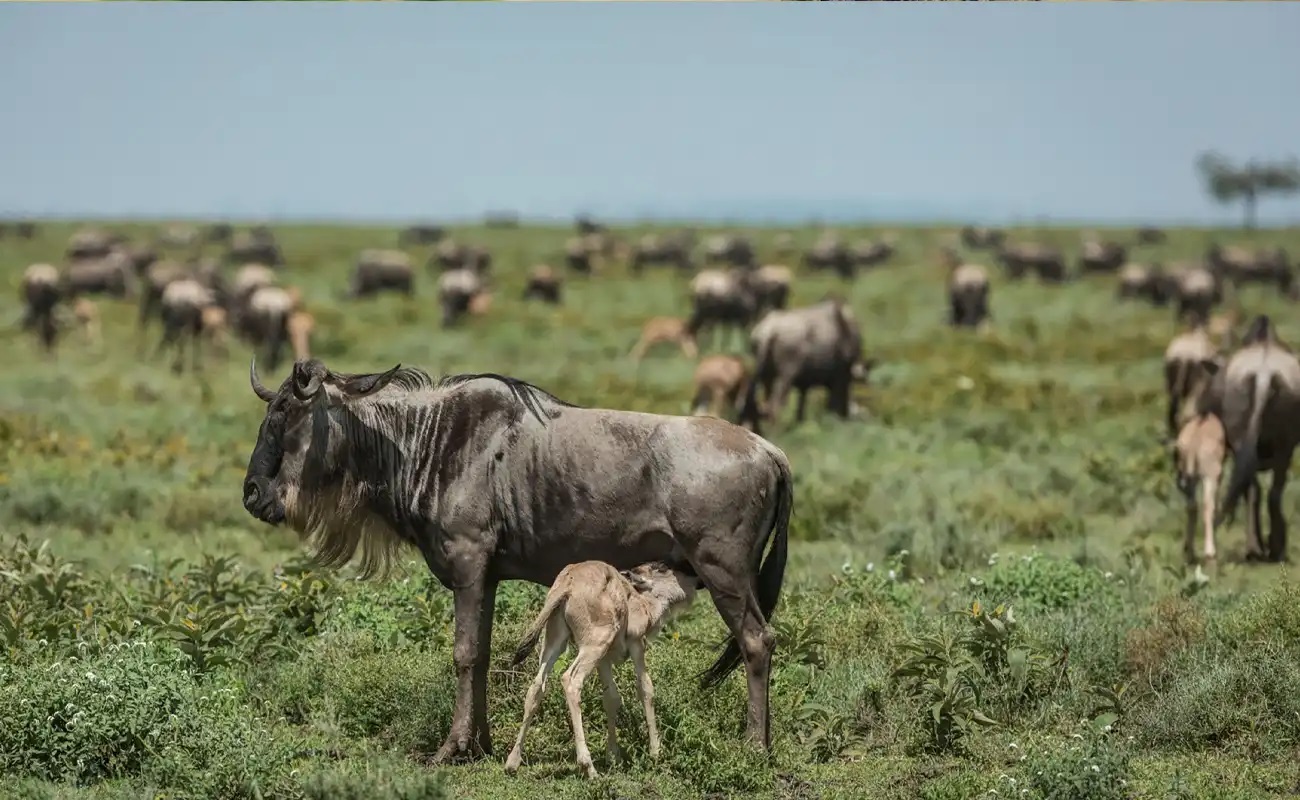
February falls within the main wildebeest calving period in the southern Serengeti ecosystem.
Tanzania’s tourism information places calving broadly between January and March. Ngorongoro conservation information also highlights February as an important period around Ndutu.
During a calving-focused safari, we look for:
- Wildebeest herds using the southern plains.
- Young calves remaining close to their mothers.
- Herds feeding and moving between grazing areas.
- Predators sharing the landscape.
We give you time to watch these interactions. Seeing a calf follow its mother across the grassland can be just as memorable as witnessing a birth.
What we cannot promise
Births, hunts and specific sightings happen naturally. February offers a strong seasonal opportunity, not a guaranteed event on your chosen day.
2. Where Is the Great Migration in February?
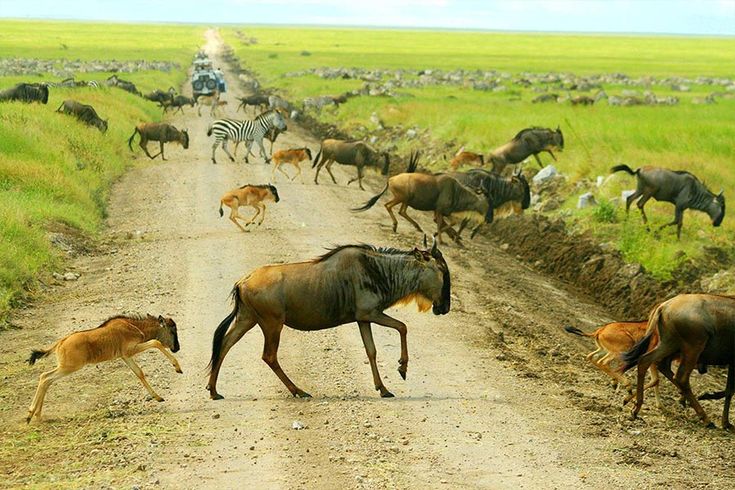
The southern Serengeti ecosystem, including Ndutu and adjoining plains, is the main area we consider for a February migration safari.
The exact position of the herds varies with rainfall, water and grazing.
Our approach is to:
- Choose accommodation that supports the southern route.
- Allow several game drives.
- Adjust daily routes to wildlife activity.
- Avoid assuming the herds will remain beside one overnight location.
If calving is your priority, tell us before we plan your itinerary. A general “Serengeti safari” does not automatically provide enough time in the southern areas.
3. Which Destinations Should You Include?
We start with your main interest, then add destinations that bring something different.
Our February shortlist is:
- Ndutu and Southern Serengeti — For a calving-focused experience.
- Ngorongoro Crater — For crater scenery and varied wildlife.
- Central Serengeti — For a longer wildlife itinerary.
- Tarangire National Park — For elephants and baobab landscapes.
- Lake Manyara National Park — For forests, primates and birdwatching.
For a short safari, we usually prioritise fewer stops with meaningful time in each. A longer holiday gives us room to include more variety.
4. How Long Should You Stay in Ndutu?
We suggest two to three nights where your schedule allows.
The difference is practical:
- Two nights — One full day between arrival and departure.
- Three nights — Two full days to explore without changing accommodation.
- Longer stays — More room for photography and patient wildlife observation.
Your transfer days may include game viewing, but they also involve travel. We make that distinction clear when explaining the itinerary.
5. What Wildlife Might You See?
February safaris offer more than wildebeest calves.
Depending on the destinations visited, your guide may help you search for:
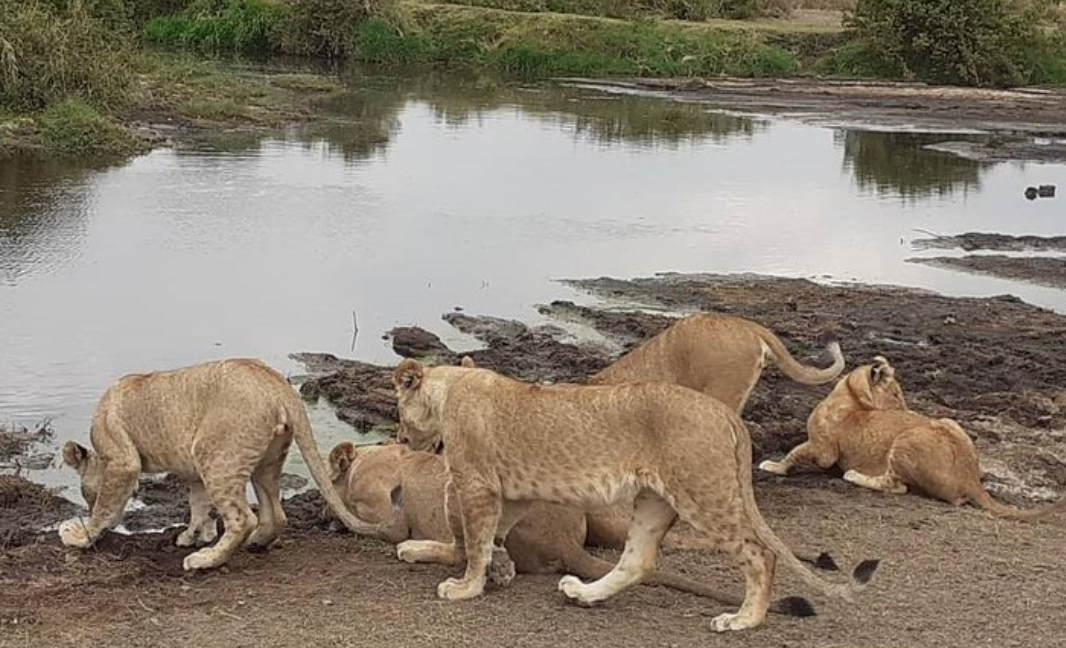
- Lions.
- Cheetahs.
- Hyenas.
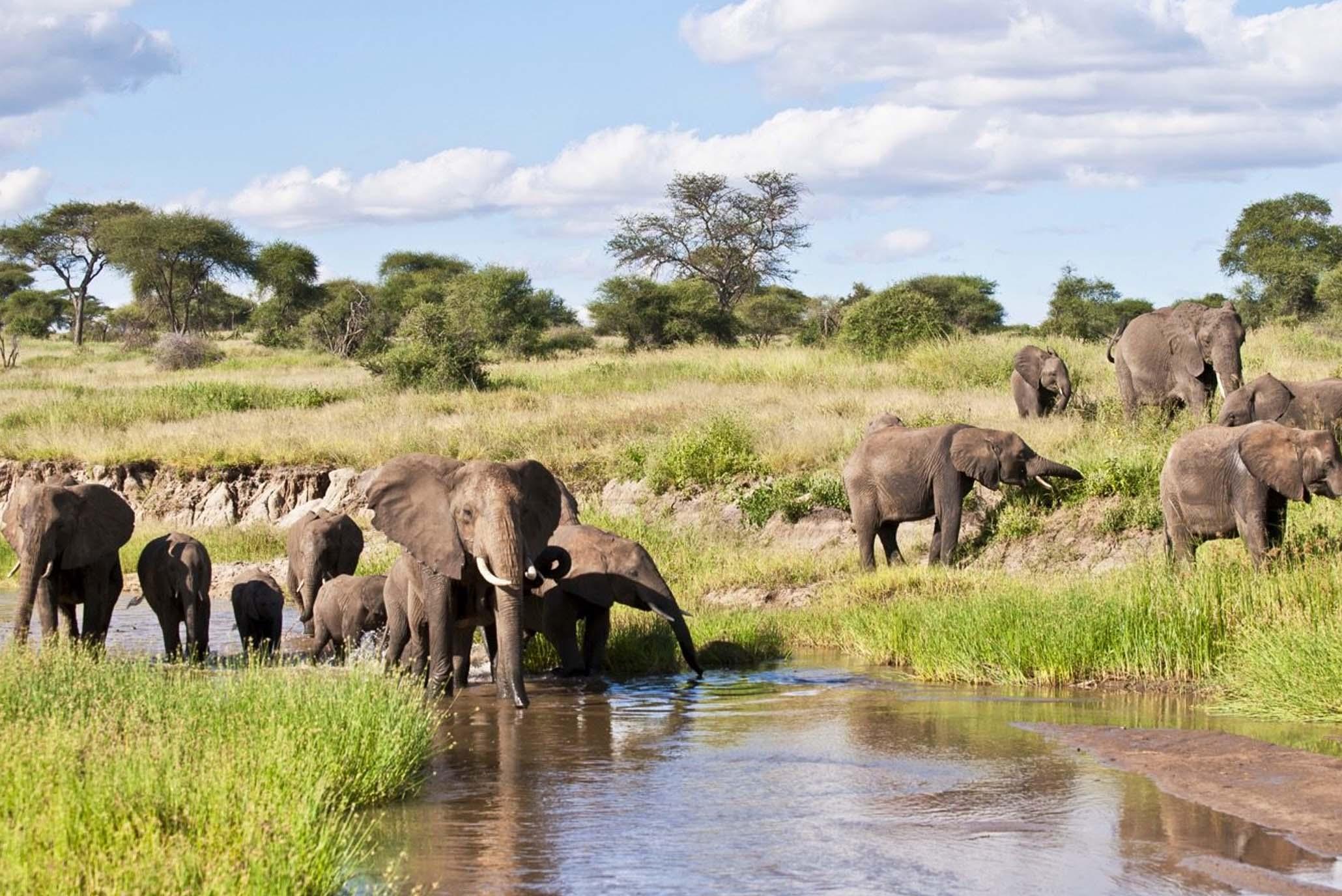
- Elephants.
- Giraffes.
- Zebras.
- Buffalo.
- Antelopes.
- Hippos.
- A variety of birds.
The route determines which habitats you explore. We avoid promising that every species will appear and encourage you to enjoy the behaviour and surroundings of the animals you encounter.
6. Does February Mean River Crossings?
A February calving safari is a different experience from a safari planned around the famous northern river crossings.
For February, we focus on:
- Southern grazing plains.
- Herd gatherings.
- Young wildebeest.
- Predator-viewing opportunities.
If river crossings are your main goal, we would discuss a different seasonal plan. Choosing the right month starts with deciding which migration experience interests you most.
7. What Weather Should You Prepare For?
Prepare for warm daytime conditions, cooler early starts and the possibility of showers.
Weather varies between the plains and higher areas such as Ngorongoro. No monthly guide can predict the conditions on your particular dates.
For comfort, bring:
- Lightweight clothing.
- A warm layer.
- A light waterproof jacket.
- Sun protection.
- A protective bag for cameras and electronics.
We allow for changes in road conditions and adjust the daily plan when needed. Flexible timing is useful even during a well-organised safari.
8. Is February Good for Safari Photography?
February can be rewarding if you enjoy photographing animal behaviour, herds and young wildlife.
Subjects may include:
- Calves beside their mothers.
- Wildebeest moving across open plains.
- Predators resting or watching the herds.
- Zebras grazing together.
- Wildlife within changing light and scenery.
For photography-focused trips, we discuss:
- Time allocated to Ndutu.
- Private vehicle arrangements.
- Camera equipment and luggage space.
- Early departures.
- Packed meals for longer outings.
A private safari gives your party more influence over the pace, while sightings and conditions remain natural.
9. Is February Suitable for a Family Safari?
Yes. We can plan a February safari around your children’s ages, interests and comfort.
Useful arrangements include:
- Private transport.
- Suitable room configurations.
- Manageable driving days.
- Meal and comfort stops.
- Time to rest.
- Clear expectations about wildlife viewing.
Calving season can be fascinating for children. It can also involve predators hunting or feeding.
We discuss this with parents during planning so the experience suits your family.
10. Is February a Cheap Time to Go on Safari?
We would not assume February is automatically a low-cost safari month.
Calving-focused accommodation and routes need to be priced for your exact dates. Your total also depends on:
- Number of travellers.
- Private or shared transport.
- Accommodation choice.
- Number of nights.
- Destinations.
- Flights and optional activities.
If your dates are flexible, we can compare alternatives. We keep the main arrangements consistent so you can understand where any saving comes from.
11. How Far Ahead Should You Plan?
Start once you know your likely dates, particularly if you want specific accommodation or room arrangements.
Early planning gives us more opportunity to consider:
- Suitable Ndutu locations.
- Family rooms.
- Your preferred comfort level.
- Connecting flights.
- A balanced safari route.
If you are planning closer to departure, we can check available options. Flexibility about accommodation and dates can help us put together a suitable trip.
12. How Many Safari Days Do You Need?
Allow enough time for the southern journey and the wildlife experience you want.
Planning options include:
- Three safari days — A short Ndutu visit with substantial travel on the first and last days.
- Four to five safari days — Consider Ndutu and Ngorongoro.
- Six safari days — Scope for Tarangire, several Ndutu nights and Ngorongoro.
- Seven to eight safari days—more room for Central Serengeti or another selected stop.
We check arrival and departure times separately. A holiday including two airport days provides fewer full safari days than its headline duration might suggest.
13. Can You Add Zanzibar in February?
Yes. We can combine your mainland safari with a Zanzibar stay.
We plan the two parts together by checking:
- Safari endpoint.
- Connecting flight.
- Baggage allowance.
- Zanzibar accommodation.
- Airport transfers.
- Beach nights and meal plans.
We also count the travel day realistically so you know how much time remains for the beach.
14. What Should You Pack?
Keep these essentials accessible during game drives:
- Comfortable, lightweight clothing.
- A fleece or warm jacket.
- A light waterproof layer.
- A hat, sunglasses and sunscreen.
- Binoculars.
- Camera batteries and memory cards.
- Personal medication.
- Protection for electronics.
For fly-in itineraries, follow the baggage allowance confirmed for your flight.
Is February the Right Choice for You?
February is an excellent month to consider if your interests include wildebeest calving, wildlife photography and a northern Tanzania safari.
It is particularly suited to travellers who want:
- Time in Ndutu and the southern plains.
- Opportunities to observe young wildlife.
- A combination of migration viewing and other destinations.
- A private itinerary built around their interests.
If your main goal is a river crossing or another specific seasonal event, we help you choose dates that better match it.
Plan Your February Safari With Mbega African Safaris
We plan your February safari around the experience you want, with clear overnight locations, practical transfer arrangements and enough time for wildlife viewing.
Share your dates, number of travellers, available days and accommodation preference. We will help you choose a route and explain what your quotation includes.