Compare Kilimanjaro's popular trekking routes, understand acclimatisation and difficulty, and choose the right mountain adventure for your schedule and experience.
Use this article as a practical guide for planning your Tanzania journey with Mbega African Safaris.
Tips for Selecting the Best Trekking Route Up Kilimanjaro
Climbing Mount Kilimanjaro is an unforgettable adventure, but choosing the right trekking route is one of the most important decisions you will make before travelling to Tanzania. Each route offers a different combination of scenery, trekking duration, accommodation, trail conditions and opportunities to acclimatise to the altitude.
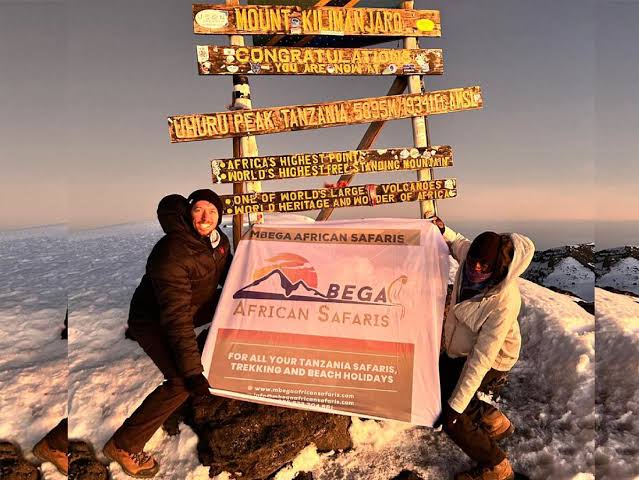
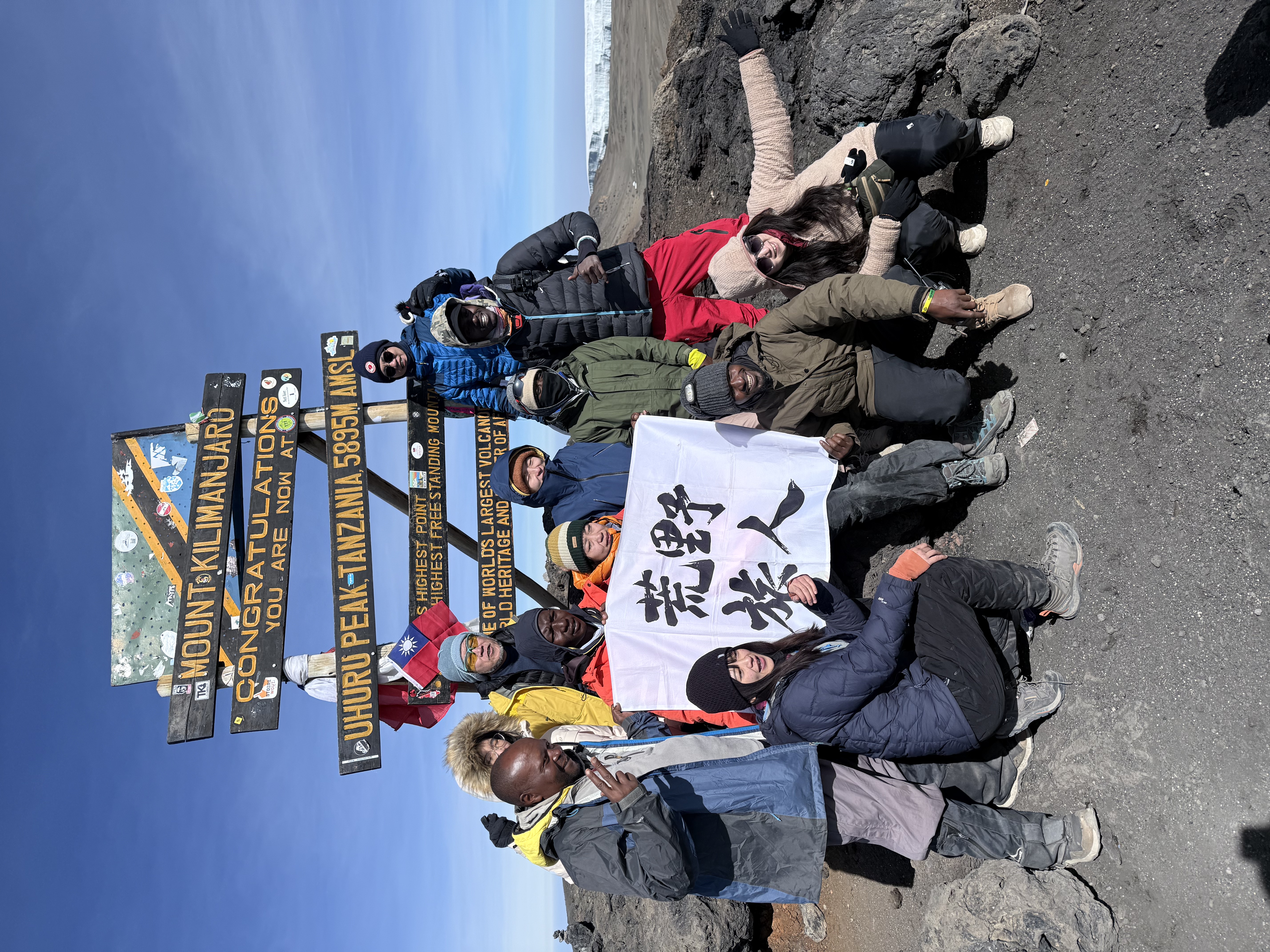
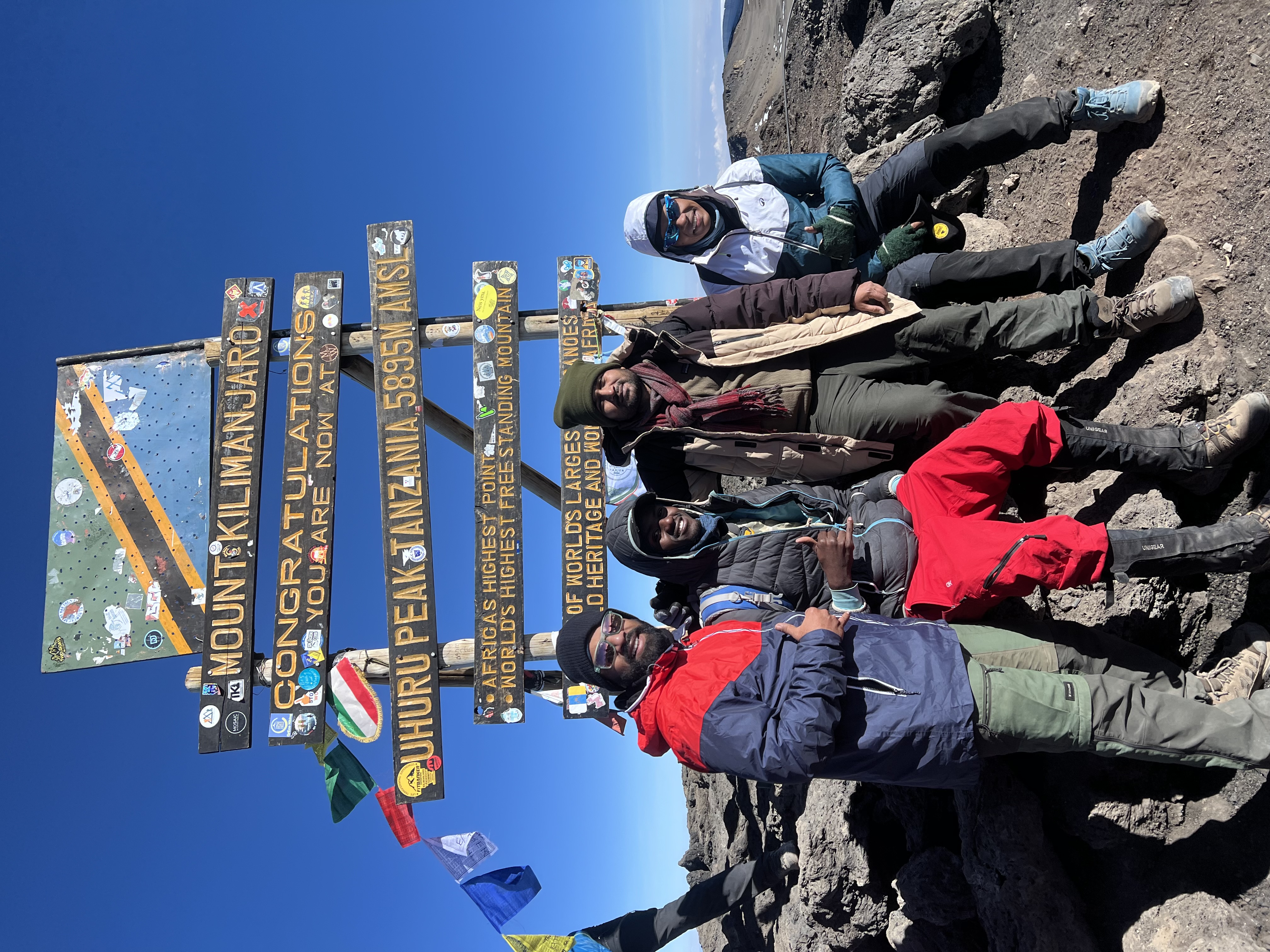
Standing at Uhuru Peak, at 5,895 metres above sea level, is the goal for many climbers. However, reaching the summit requires more than determination and physical fitness. Your body needs time to adapt to decreasing oxygen levels, and your chosen itinerary can make a significant difference to your experience.
Whether you are a first time trekker, an experienced hiker or a traveller planning a Kilimanjaro climb alongside a Tanzania safari, understanding the available routes will help you make a more informed decision. Mbega African Safaris can help you compare the options and select an itinerary that suits your available time, budget and trekking goals.
1. Understand the Main Kilimanjaro Trekking Routes
Several established routes lead towards the summit of Kilimanjaro. They differ in starting location, scenery, duration, accommodation and acclimatisation profile. The main options to compare are Lemosho, Machame, Marangu, Rongai, the Northern Circuit, Shira and Umbwe.
Lemosho Route
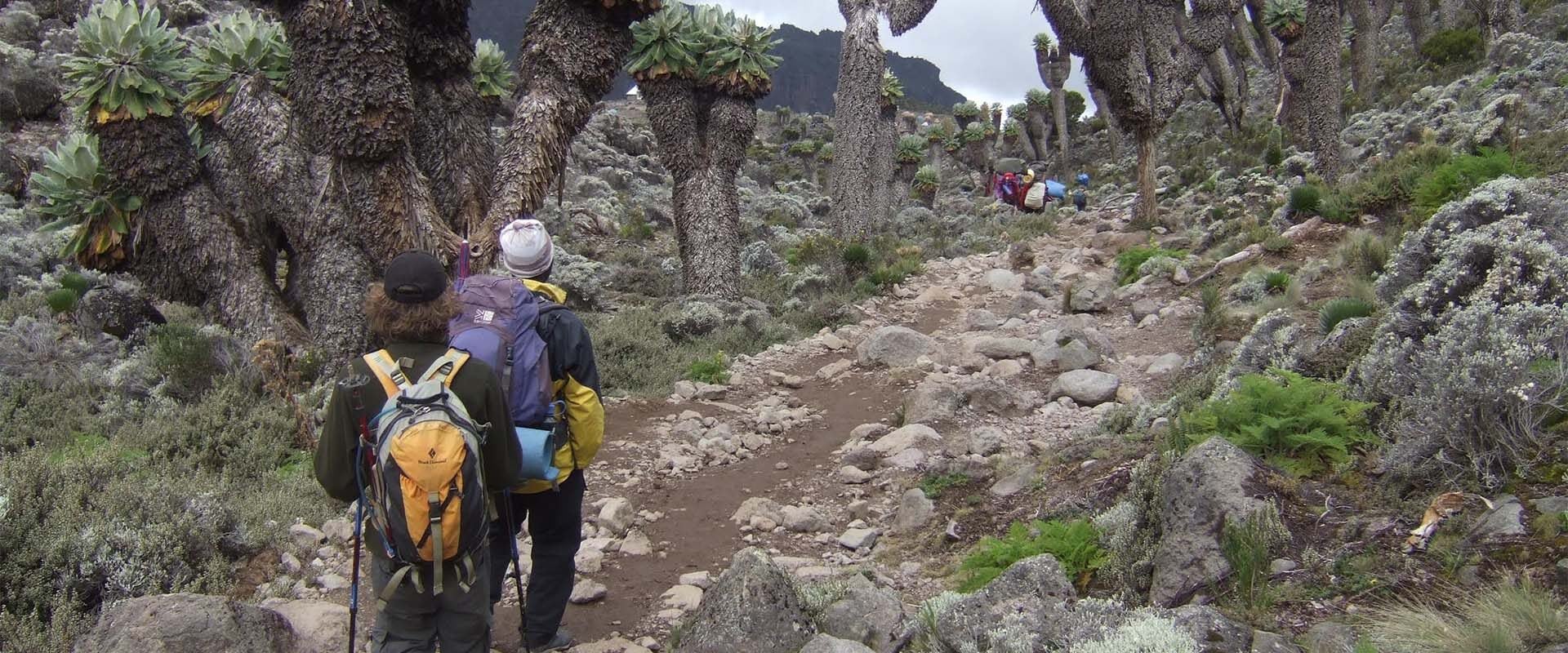
The Lemosho Route is a popular choice for travellers who want varied scenery and a gradual approach across the western side of Kilimanjaro. The trail begins in a forested area before opening onto the Shira Plateau, where expansive mountain views create excellent opportunities for photography.
As the route continues, trekkers encounter moorland, rocky ridges and high altitude landscapes before joining the southern circuit towards the summit. An itinerary of seven or eight days is commonly selected to allow more time for acclimatisation.
Lemosho is particularly suitable for hikers who value scenery and have enough time for a longer climb. Although the route offers a favourable acclimatisation profile when planned well, summit success is never guaranteed.
Machame Route
The Machame Route, often called the Whiskey Route, is known for its dramatic scenery and varied terrain. Trekkers pass through rainforest, cross open mountain landscapes and encounter the famous Barranco Wall before proceeding towards the summit.
Many itineraries take six or seven days, with seven days generally allowing more time to adjust to the altitude than a compressed schedule. The route involves some steep sections and long trekking days, so preparation and endurance are important.
Machame is a strong option for travellers who enjoy scenic camping treks and want a challenging mountain experience without requiring technical mountaineering skills.
Marangu Route
The Marangu Route is one of Kilimanjaro's best known approaches and is distinctive because it uses mountain huts rather than tents for overnight accommodation. This can appeal to travellers who prefer sleeping in a hut and having a more established overnight setup.
The ascent and descent follow the same general trail, so the scenery is less varied than on routes that approach and descend through different corridors. The shorter five day itinerary offers limited acclimatisation time; adding a sixth day can improve the schedule.
Marangu may suit hikers who prefer hut accommodation, but it should not automatically be considered the safest or easiest route simply because its gradient is comparatively gradual.
Rongai Route
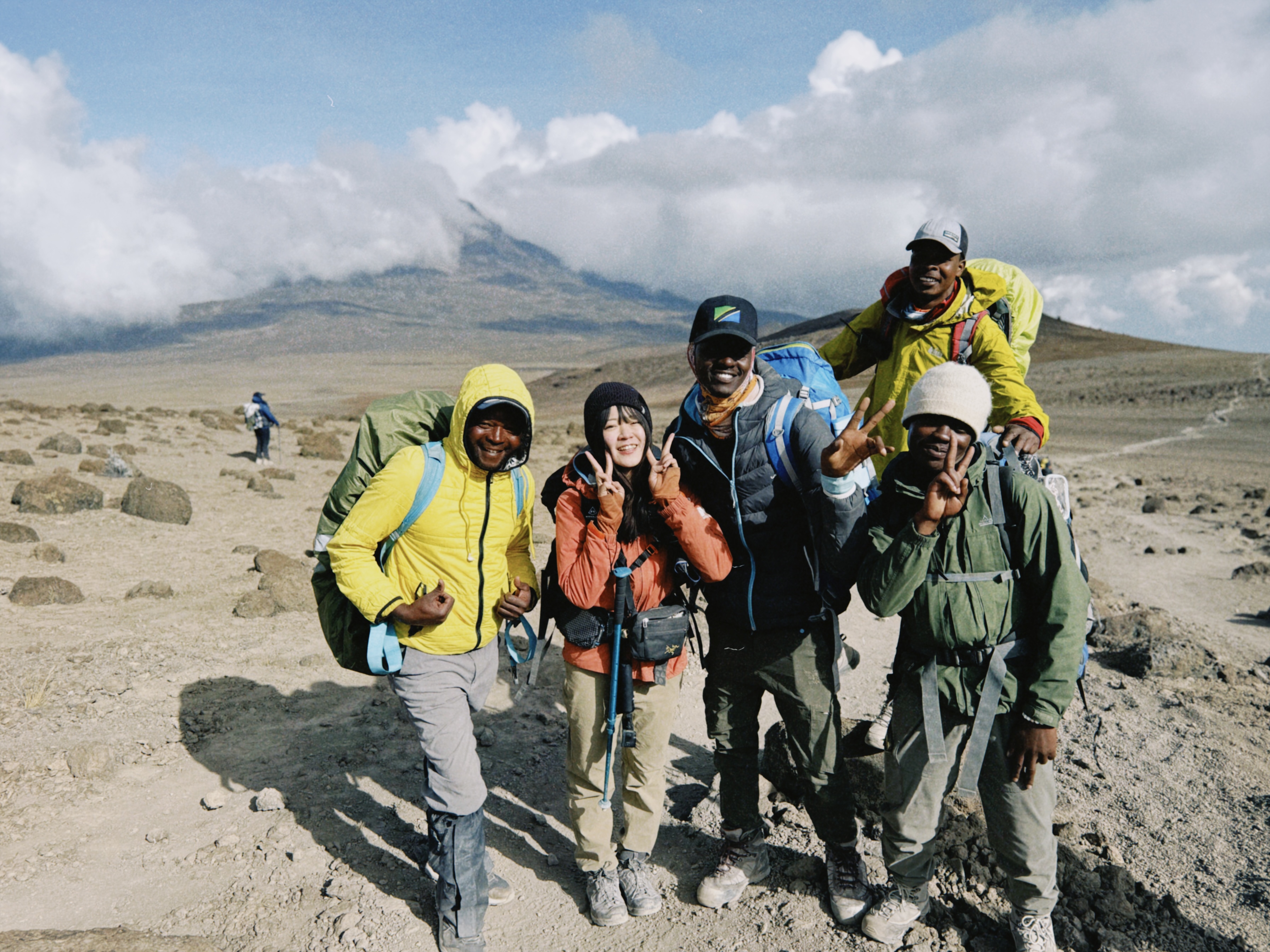
The Rongai Route approaches Kilimanjaro from the northern side, close to the Kenyan border. Its early stages are often quieter than the popular southern trails, making it appealing to trekkers who value a more secluded mountain experience.
The northern slopes are generally drier than the southern approaches, although weather remains unpredictable and conditions can change quickly at altitude. The route usually takes six or seven days, depending on the itinerary.
Rongai is worth considering if you prefer a quieter approach, want to explore a different side of the mountain or are planning your climb during a period when rainfall may affect other routes.
Northern Circuit Route
The Northern Circuit is the longest established trekking option on Kilimanjaro, travelling around much of the mountain before the summit attempt. Its extended itinerary gives climbers more time on the mountain and opportunities to experience landscapes that are less visited by trekkers.
A typical itinerary takes around eight to nine days, although exact durations depend on the operator's plan. The extra time can support acclimatisation and provide a more gradual trekking experience.
This route is especially attractive to travellers who have a flexible schedule, prefer quieter trails and prioritise a longer mountain adventure over minimising costs.
Shira Route
The Shira Route approaches the mountain from the west and shares some of the landscapes encountered on Lemosho. One important difference is its relatively high starting elevation, which can make the initial stage more demanding for travellers who have not yet acclimatised.
Because of this, the route requires careful itinerary planning and is not necessarily the best option for everyone. Compare the starting altitude and the first day's schedule with your guide before choosing it.
Umbwe Route
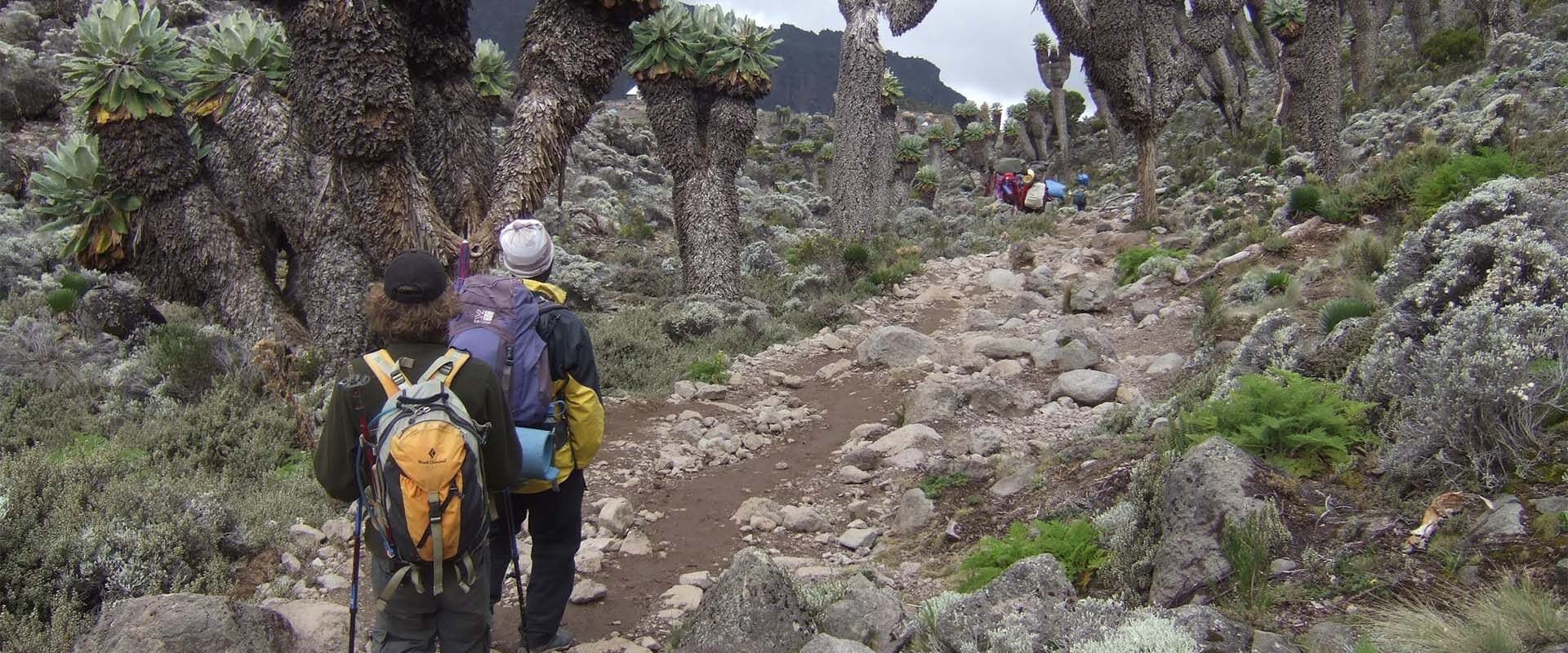
The Umbwe Route is a steep and direct approach known for its demanding ascent. It gains elevation quickly and generally provides fewer opportunities for gradual acclimatisation on shorter itineraries.
This route is better suited to experienced trekkers who understand the demands of high altitude hiking and have carefully considered the risks. For many first time climbers, a longer route with a more gradual ascent is a more appropriate choice.
2. Compare Routes by Duration and Accommodation
Before choosing a route, consider how many days you can dedicate to the climb and where you want to sleep during the trek.
Route | Typical duration | Accommodation | Main advantage |
|---|---|---|---|
Lemosho | 7 to 8 days | Camping | Varied scenery and gradual ascent |
Machame | 6 to 7 days | Camping | Dramatic landscapes and varied terrain |
Marangu | 5 to 6 days | Mountain huts | Hut accommodation |
Rongai | 6 to 7 days | Camping | Quieter northern approach |
Northern Circuit | 8 to 9 days | Camping 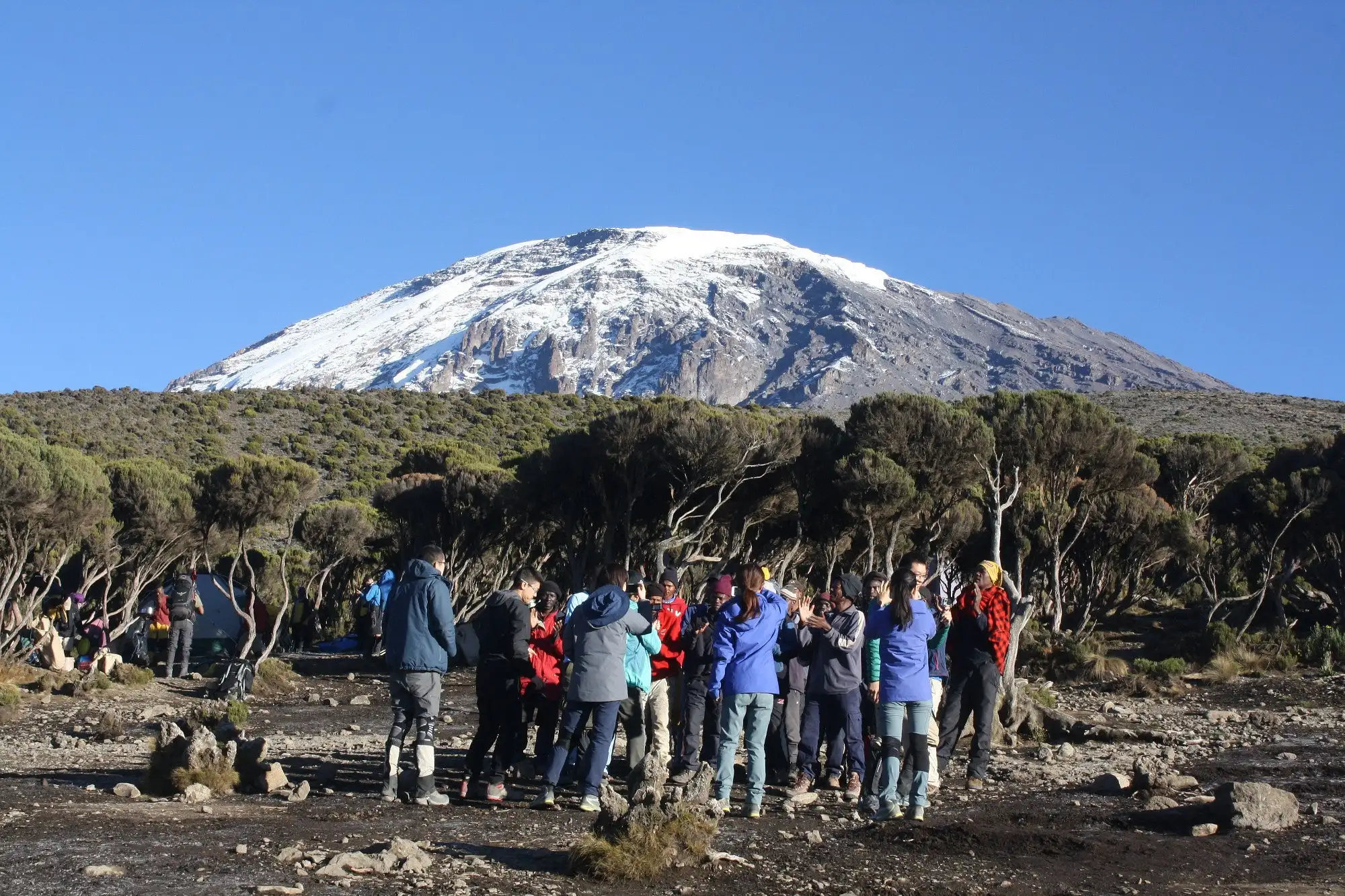 | Extended acclimatisation opportunity |
Shira | Usually 7 to 8 days | Camping | Western approach and plateau scenery |
Umbwe | Usually 6 to 7 days | Camping | Steep, direct ascent |
These are typical planning ranges rather than fixed schedules. The exact duration, route variation and overnight locations should be confirmed with your tour operator.
Remember that a lower advertised package price may reflect a shorter itinerary, different accommodation arrangements or fewer included services. Compare the complete itinerary rather than selecting a climb on price alone.
3. Prioritise Acclimatisation and Summit Safety
Acclimatisation is one of the most important considerations when selecting a Kilimanjaro route. At high altitude, the amount of oxygen available with each breath decreases. Even physically fit hikers can develop altitude sickness if they ascend too quickly.
Longer itineraries generally give the body more time to adapt. Some routes also allow guides to plan a climb high and sleep lower schedule, in which trekkers ascend to a higher elevation during the day before returning to a lower sleeping altitude.
Choose a route with a sensible daily elevation profile, sufficient rest opportunities and a clear plan for responding to altitude symptoms. During the climb, walk at a steady pace, drink fluids regularly and tell your guide immediately if you develop symptoms such as a persistent headache, nausea, dizziness or unusual weakness.
Severe or worsening symptoms require prompt assessment and may require descent. No route or preparation programme eliminates altitude sickness, and reaching the summit should never take priority over safety.
4. Match the Route to Your Fitness and Experience
You do not need to be a technical mountaineer to climb Kilimanjaro on the standard trekking routes, but you should prepare for consecutive days of walking, long ascents and cold conditions.
Consider your current activity level and previous hiking experience. If you regularly walk long distances, hike on uneven terrain and train consistently, you may find it easier to prepare for a demanding itinerary. If you are new to hiking, allow extra time to build endurance and choose a route that does not rush the ascent.
Useful preparation includes:
Walking regularly on hills or uneven terrain.
Building endurance through longer walks and suitable cardiovascular exercise.
Practising with the footwear, daypack and socks you plan to use.
Training with a gradually increasing backpack load.
Learning to manage a comfortable pace over several consecutive days.
Discussing relevant medical concerns and altitude risks with a qualified healthcare professional before travel.
Fitness helps you manage the physical demands of trekking, but it cannot guarantee acclimatisation. A strong hiker can still experience altitude sickness, which is why route duration and guide support remain essential.
5. Consider Scenery, Crowds and the Type of Experience You Want
Every route offers a different perspective of Kilimanjaro. Think about what you want to experience beyond reaching the summit.
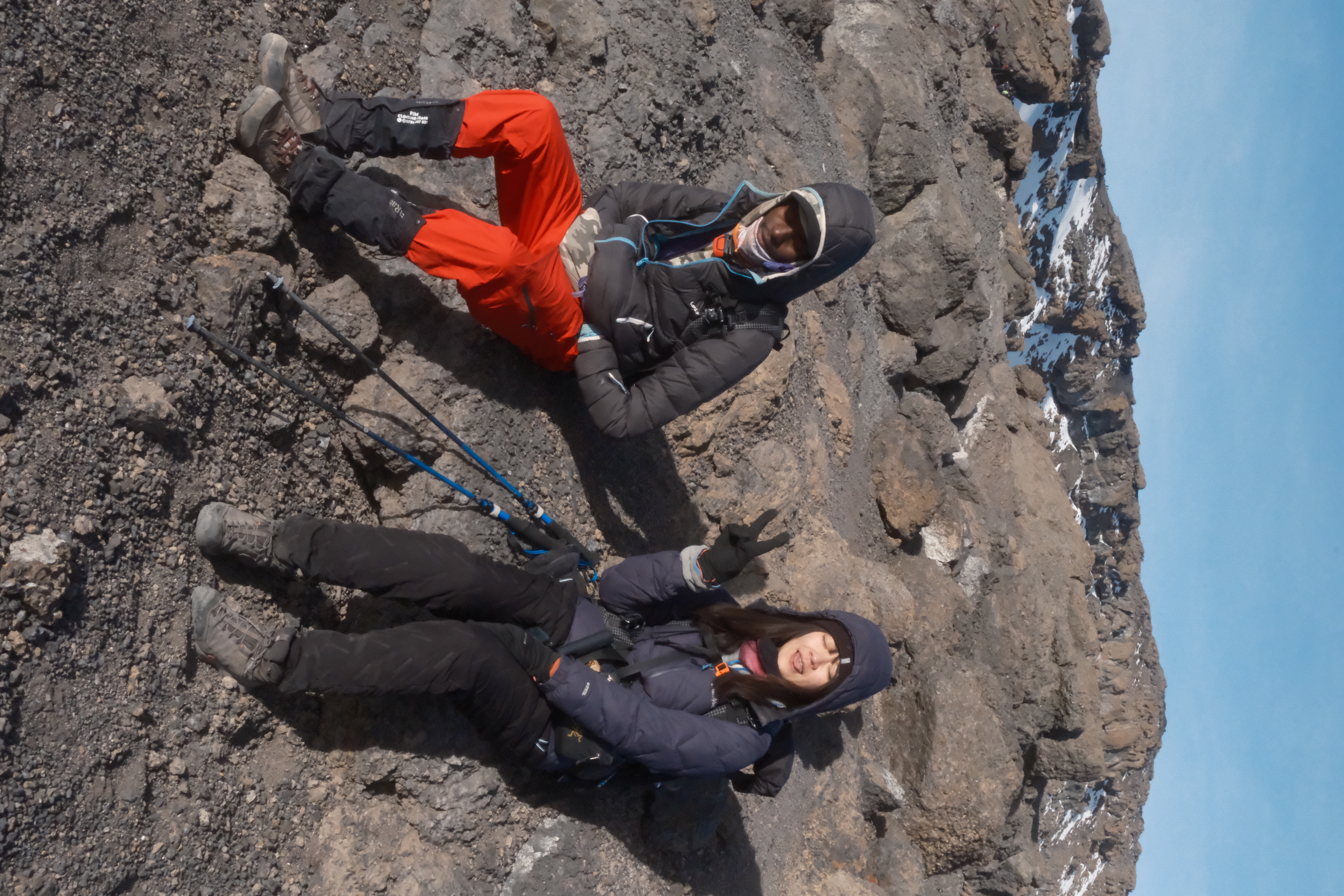
For varied scenery: Lemosho and Machame offer forest, moorland and dramatic high altitude terrain.
For quieter trails: Rongai and the Northern Circuit are worth considering.
For hut accommodation: Marangu is the established option with mountain huts.
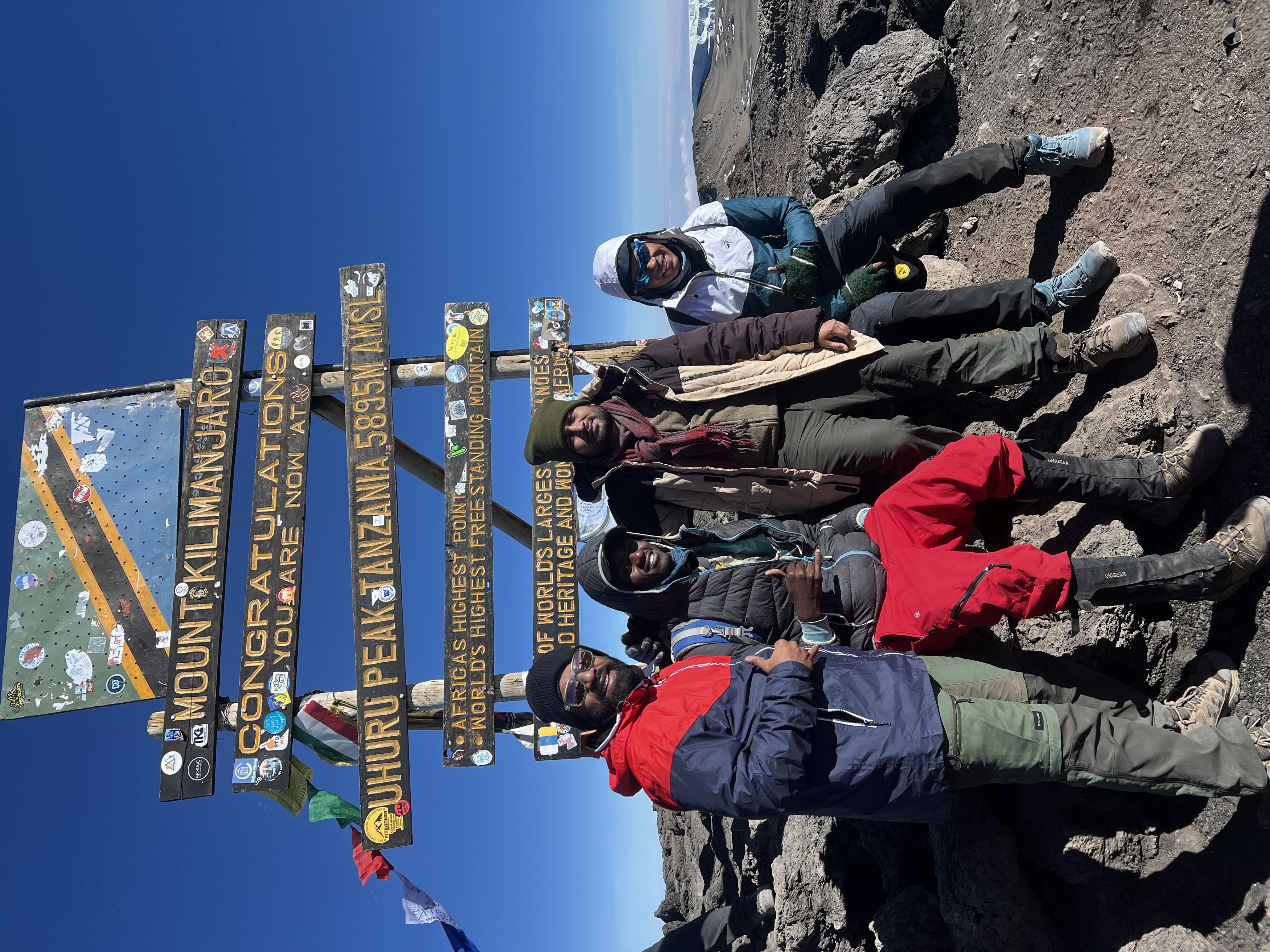
Local Experience For a longer adventure: The Northern Circuit provides an extended journey around the mountain.
For a steep and demanding climb: Umbwe requires particularly careful consideration because of its direct ascent.
Crowd levels vary with season, departure dates and the popularity of individual camps. Choosing a quieter route can provide a different atmosphere, but it does not automatically make the climb easier or guarantee better summit conditions.
6. Choose the Right Time to Climb Kilimanjaro
Kilimanjaro can be climbed throughout much of the year, but weather influences trail conditions, visibility and comfort.
The drier periods, particularly June through October and generally January through February, are popular for trekking. The longer rainy season commonly occurs around March through May, while shorter rains can occur around November. These are broad seasonal patterns rather than guarantees of specific weather.
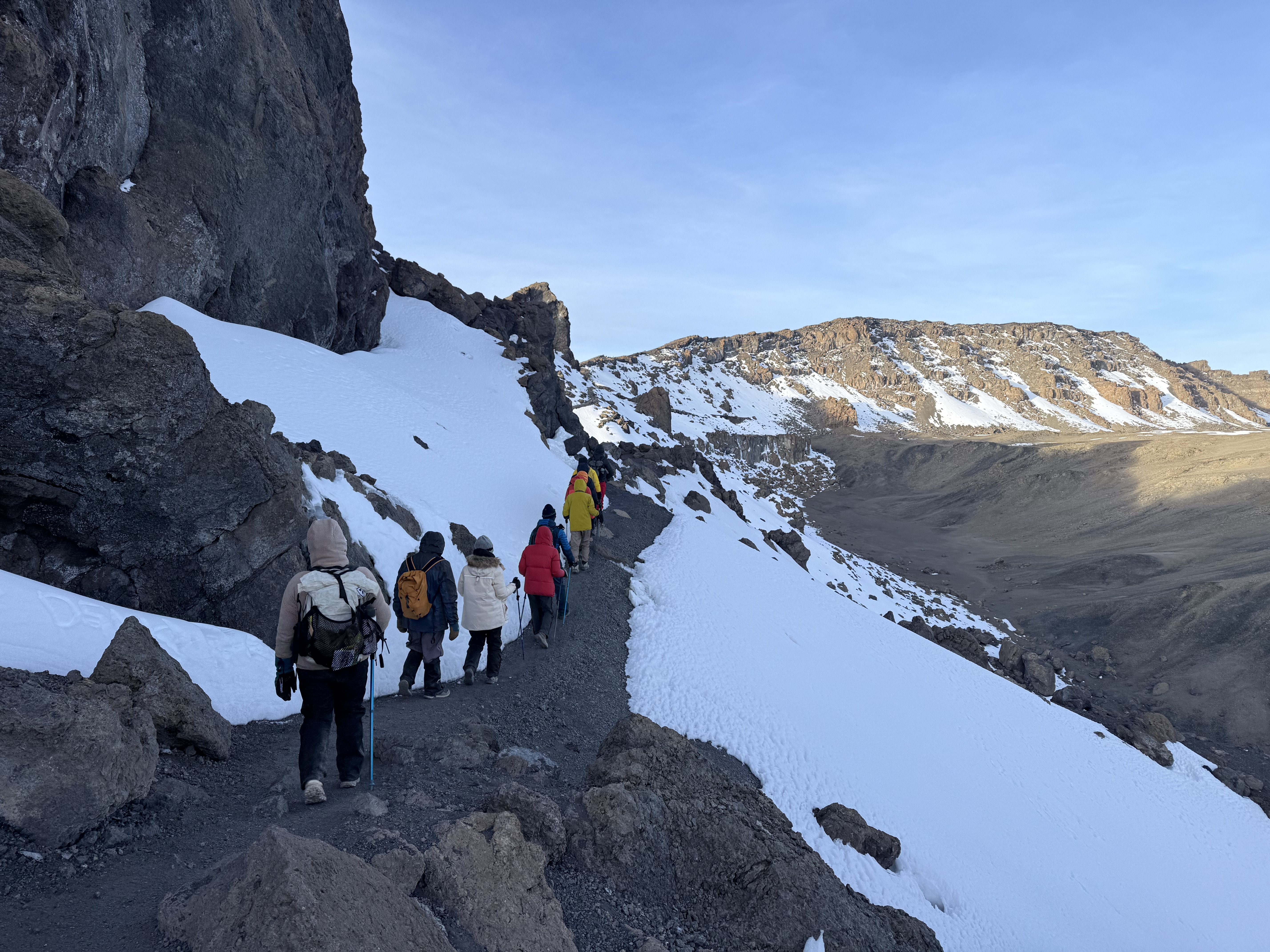
If you prefer clearer mountain views and generally drier trails, consider the usual dry seasons. If you travel during wetter periods, discuss the route, equipment and expected conditions with your operator. Rongai's northern approach can be worth considering, although it is not immune to rain.
Book early if you have fixed dates, especially if you want a particular route, private departure or group climb. Also allow time before and after the trek for arrival arrangements, equipment checks and recovery.
7. Understand Your Budget Before Booking
The total cost of a Kilimanjaro climb depends on the route, number of trekking days, group size, accommodation, park fees, crew arrangements and services provided before and after the trek.
A shorter itinerary may appear less expensive, but saving a day can reduce valuable acclimatisation time. Compare the total cost against the quality and safety of the proposed itinerary.
Before confirming your booking, ask whether the quotation includes:
Kilimanjaro National Park and applicable camping or hut fees.
Mountain guides, porters and other support crew.
Meals and drinking water during the trek.
Camping equipment or mountain hut accommodation.
Transfers between your hotel and the mountain gates.
Accommodation before and after the climb.
Emergency procedures and evacuation arrangements.
Applicable taxes and other compulsory charges.
Also confirm the operator's licensing, group size, equipment standards, cancellation terms and what happens if a climber needs to descend early.
For current park charges, consult the official Tanzania National Parks Authority visitor information.
8. Check the Operator's Experience and Safety Arrangements
Your trekking operator plays an important role in preparing the itinerary, organising the mountain crew and responding to changing conditions.
Before booking, ask who will guide your climb, how the team monitors climbers, what emergency procedures are in place and how the itinerary accommodates altitude. You should also receive clear information about luggage limits, equipment, meals, transfers and preparation requirements.
A professional operator should explain both the benefits and limitations of each route instead of promising a guaranteed summit. Be cautious of unusually cheap offers that do not clearly explain park fees, crew arrangements or the daily trekking schedule.
At Mbega African Safaris, travellers can discuss their preferred dates, budget, trekking experience and available time before selecting a suitable Kilimanjaro package.
9. Which Kilimanjaro Route Should You Choose?
There is no single route that is best for every traveller. The right choice depends on your priorities and how much time you can spend on the mountain.
Your priority | Route to consider |
|---|---|
Scenic trekking and gradual acclimatisation | Lemosho |
Varied terrain and a popular trekking experience | Machame |
Sleeping in mountain huts | Marangu |
A quieter northern approach | Rongai |
A longer climb with more acclimatisation time | Northern Circuit |
A steep, direct ascent for experienced trekkers | Umbwe |
These recommendations are starting points rather than guarantees of suitability. Your final route should be selected according to the actual itinerary, health considerations, experience and guidance from a qualified operator.
10. Plan Your Kilimanjaro Trek with Mbega African Safaris
Choosing the right route is the first step towards a rewarding Kilimanjaro adventure. By considering acclimatisation, duration, scenery, accommodation and budget, you can select a climb that better matches your expectations.
Whether you are interested in the scenic Lemosho Route, the varied Machame Route, the hut based Marangu Route or the extended Northern Circuit, take time to compare the full itinerary before booking.
Mbega African Safaris, based in Moshi in the Kilimanjaro region of Tanzania, can help you explore available trekking packages, understand the differences between routes and plan your mountain experience.
Ready to climb Mount Kilimanjaro? Contact Mbega African Safaris to discuss your travel dates, preferred route, group size and budget. Our team can help you identify an appropriate itinerary and prepare for your journey to Uhuru Peak.
Visit Mbega African Safaris to explore Kilimanjaro trekking packages or contact the team to plan your climb.