
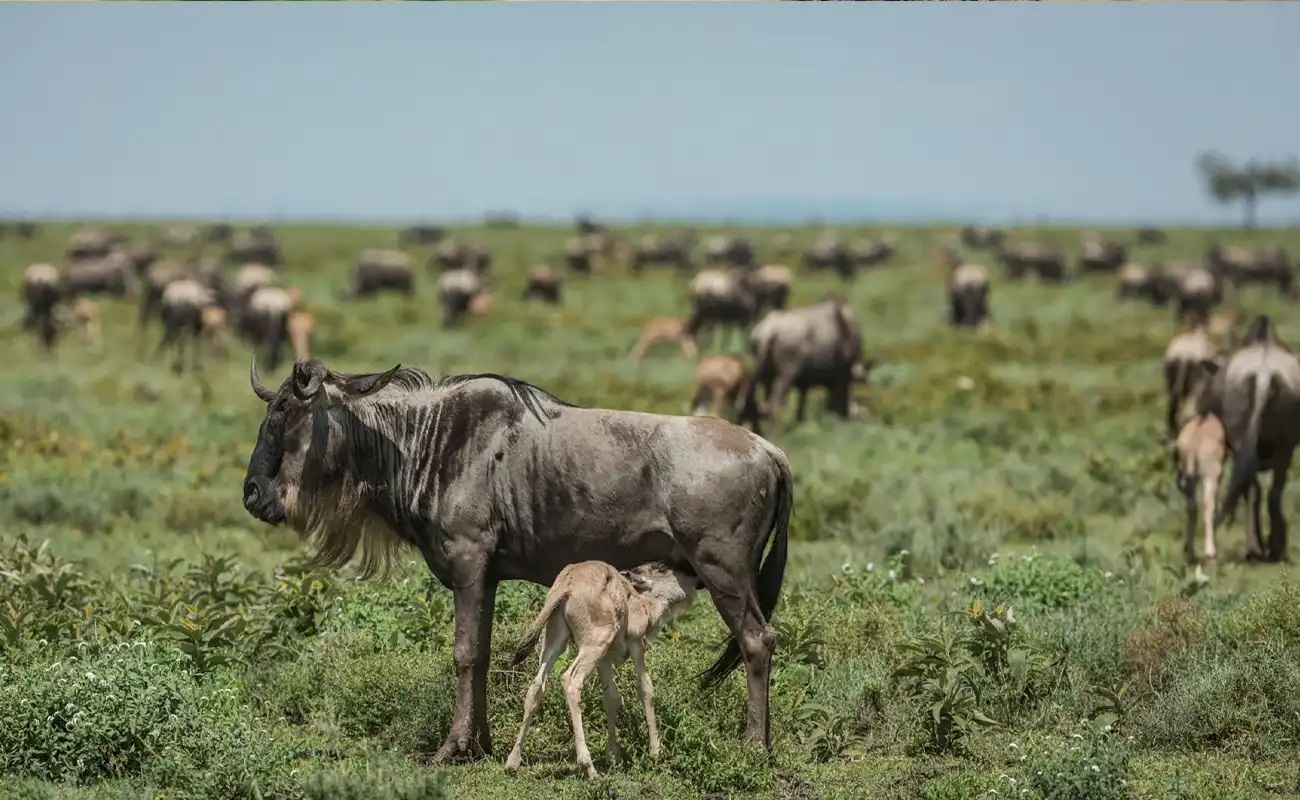
Plan an Ndutu safari in December with practical information about the wildebeest migration, predators, weather, accommodation and the approaching calving season.
Use this article as a practical guide for planning your Tanzania journey with Mbega African Safaris.
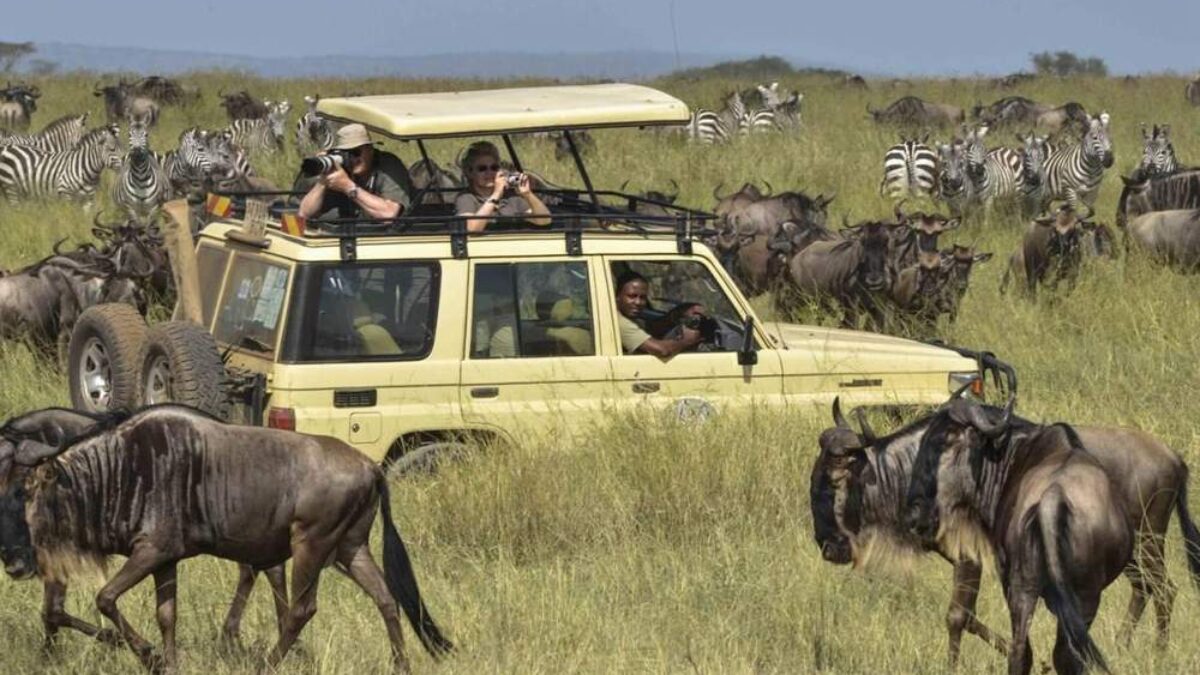
December marks the beginning of an important seasonal change across the Serengeti ecosystem. Short rains encourage fresh grass to grow on the southern plains, attracting migrating wildebeest and zebras toward Ndutu and the surrounding areas.
The movement is natural and depends on rainfall. Some years, large herds begin reaching Ndutu early in December. In other years, they remain farther north or east until rain and grazing conditions encourage them to continue south.
An Ndutu safari in December can provide green landscapes, excellent birdwatching, predator sightings and the opportunity to witness the early stages of the southern migration season.
Where Is Ndutu?
Ndutu lies within the southern Serengeti ecosystem, close to the boundary between the Ngorongoro Conservation Area and Serengeti National Park.
The region includes short grass plains, woodland and seasonal lakes. Its position makes it an important wildlife area as migrating herds move between different parts of the ecosystem.
Ndutu can be reached by road from Arusha, Karatu, Ngorongoro and Serengeti. Scheduled flights may also operate to nearby airstrips, depending on the season and airline timetable.
Is December a Good Time to Visit Ndutu?
December can be an excellent time to visit Ndutu, particularly for travellers interested in migration movement, predators and green season photography.
However, it is a transitional month. The experience in early December may differ significantly from the final week of the month.
Early December may bring scattered herds and quieter safari conditions. As rainfall continues, more wildebeest and zebras may move toward the southern plains.
By late December, wildlife activity can increase, but the location and size of the herds cannot be guaranteed.
The Wildebeest Migration in December
The Great Migration follows water and fresh grazing rather than fixed dates.
After spending part of the year in northern Serengeti and Kenya’s Maasai Mara ecosystem, wildebeest begin moving south through different parts of Serengeti. Seasonal rain encourages the herds toward the fertile southern plains.
During December, the wildebeest may be found across several areas, including:
- Central Serengeti
- Eastern Serengeti
- Southern Serengeti
- Ndutu
- Gol Plains
- Areas within the Ngorongoro Conservation Area
The herds are often spread across a wide region rather than gathered in one single location.
Your guide should use recent reports and daily information from other safari professionals to plan game drives.
Does the Calving Season Start in December?
Some wildebeest may give birth in December, but the main calving season normally occurs from January into March, with especially high activity often associated with February.
Travellers visiting in December should not expect the full calving season. Instead, they may witness pregnant wildebeest arriving on the plains and the ecosystem preparing for the months ahead.
December remains rewarding because predators begin responding to the movement of the herds.
Wildlife to See in Ndutu
Ndutu is not only about wildebeest. The region supports resident and seasonal wildlife throughout the green season.
Animals you may encounter include:
- Wildebeest
- Zebras
- Gazelles
- Giraffes
- Elephants
- Lions
- Cheetahs
- Leopards
- Spotted hyenas
- Jackals
- Bat eared foxes
- Warthogs
- Different bird species
Wildlife movements change daily, and no individual sighting can be guaranteed.
Predator Viewing in December
Predators follow prey across the Serengeti ecosystem. As wildebeest, zebras and gazelles move toward Ndutu, lions, cheetahs and hyenas become increasingly active.
Ndutu’s open plains can provide excellent opportunities to observe cheetahs. Lions may be found around woodland, marshes and areas with resident prey.
Spotted hyenas and jackals are also frequently associated with the migration.
Predator sightings may involve hunting, feeding or territorial behaviour. Visitors should remain inside the safari vehicle and follow their guide’s instructions.
Birdwatching in Ndutu
December is an excellent time for birdwatching. Seasonal rain brings fresh vegetation, insects and temporary water sources, while migratory birds may join resident species.
The lakes, woodland and grasslands provide different habitats for birds of prey, water birds and grassland species.
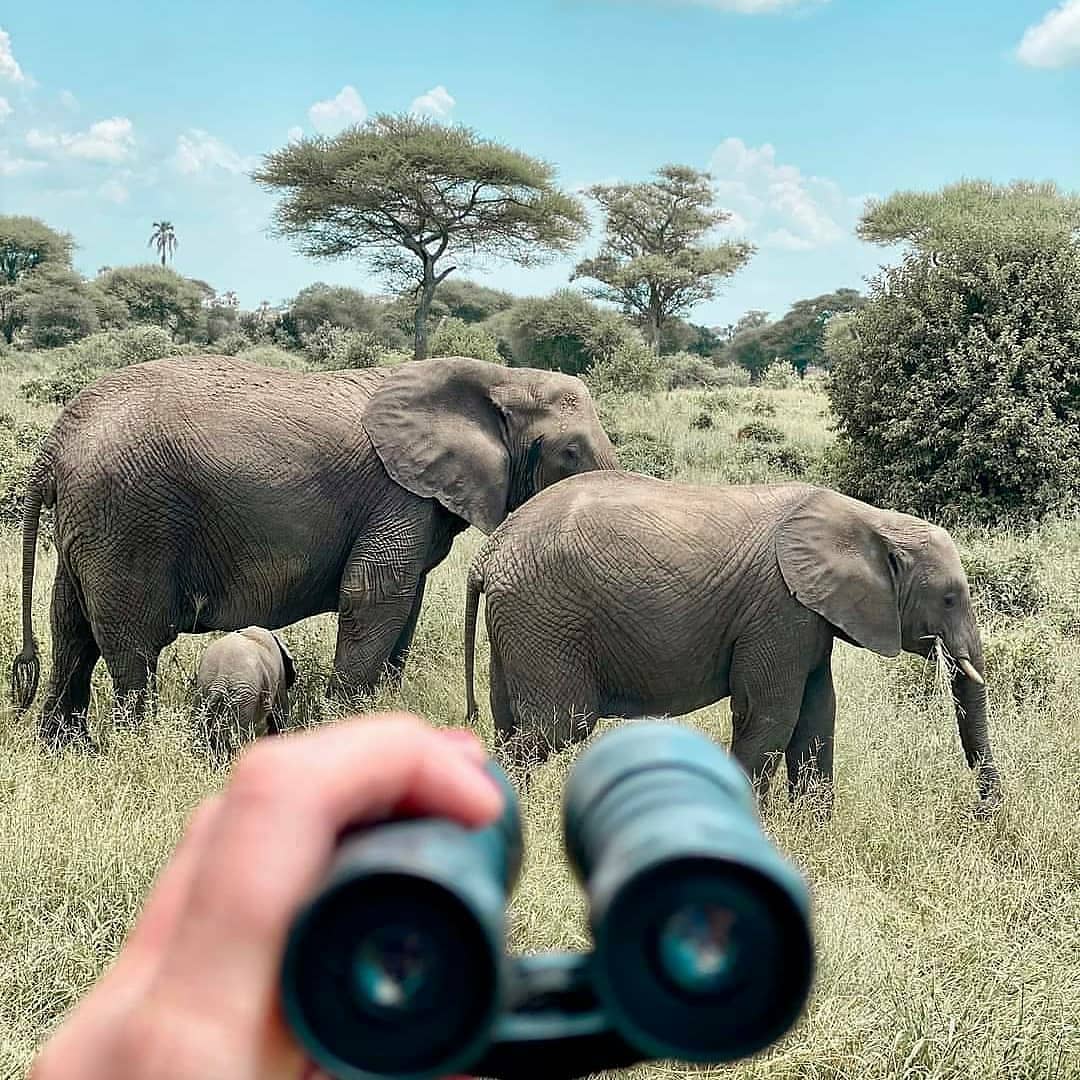
Bring binoculars and ask for a guide with birding knowledge if birds are one of your main interests.
What Is the Weather Like?
December falls within the short rain season. Rain commonly arrives in showers, with dry and sunny periods between them.
Conditions may include:
- Warm daytime temperatures
- Cool early mornings
- Afternoon or evening showers
- Green grasslands
- Dramatic clouds
- Muddy tracks
- Occasional heavy rain
Rain rarely means that every game drive will be cancelled. Safari plans may need to change when individual tracks become difficult to use.
Advantages of Visiting Ndutu in December
An Ndutu safari in December offers several potential benefits:
- Beginning of the southern migration season
- Green landscapes
- Predator activity
- Migratory birds
- New grass across the plains
- Fewer visitors in early December
- Excellent photography conditions
- Convenient access to Ngorongoro and Serengeti
The combination of green grass, dark clouds and wildlife can create beautiful photographic scenes.
Challenges of an Ndutu Safari in December
Visitors should also prepare for several uncertainties:
- Herd locations can change
- Early December may have fewer wildebeest
- Rain can make some tracks muddy
- Calving season may not yet have begun
- Christmas accommodation can be expensive
- Popular camps may sell out
- Flight schedules may be limited
- Wildlife cannot be guaranteed
Travellers who accept these natural variations are more likely to enjoy the December experience.
Early December or Late December
Early December is often quieter and may provide lower prices than the festive period. The migration may still be moving through central or eastern Serengeti, depending on rainfall.
Late December may offer an increased chance of finding herds around the southern plains. It is also a busy holiday period, with higher demand for camps, lodges and flights.
Neither period guarantees a specific migration location.
How Many Nights Should You Spend in Ndutu?
Two or three nights are recommended for most December visitors.
One night provides limited game drive time and increases the risk of missing wildlife that has moved to a different section of the ecosystem.
Two nights normally allow an afternoon game drive, a full day and a final morning drive. Three nights provide greater flexibility for following the herds and searching for predators.
Ndutu or Central Serengeti in December?
Central Serengeti offers reliable resident wildlife throughout the year. It is a strong choice for lions, leopards, elephants, giraffes and other animals.
Ndutu is more seasonal. It becomes especially important when the migration reaches the southern plains.
A well planned December safari can include both areas. Central Serengeti provides dependable wildlife viewing, while Ndutu offers the possibility of encountering the moving herds.
This combination reduces the risk of relying on a single location.
Ndutu or Ngorongoro Crater?
Ndutu offers open plains, seasonal migration and predator activity. Game drives cover a wider ecosystem where wildlife locations change daily.
Ngorongoro Crater offers concentrated resident wildlife within a defined area. It is also one of the better places in northern Tanzania to search for black rhinos.
The two destinations complement each other and can be included in the same itinerary.
Accommodation in Ndutu
Ndutu offers seasonal tented camps, permanent lodges and mobile safari camps.
Seasonal camps are often positioned to provide access to migration areas. Mobile camps may change location at different times of the year.
When choosing accommodation, consider:
- Camp location
- Travel time to wildlife areas
- Bathroom facilities
- Meal arrangements
- Electricity and charging
- Family policies
- Festive supplements
- Cancellation conditions
- Airstrip transfers
- Opening and closing dates
Book early when travelling during Christmas or New Year.
Road Safari or Flying Safari
A road safari allows you to combine Ndutu with Tarangire, Lake Manyara, Ngorongoro Crater and central Serengeti.
Driving also provides opportunities to observe changing landscapes between destinations. However, some travel days can be long.
Flying reduces road travel and may be suitable for visitors with limited time. Flight schedules, baggage limits and seasonal availability should be confirmed before booking.
What to Pack for Ndutu in December
Bring clothing and equipment suitable for warm days, cool mornings and possible rain.
Recommended items include:
- Neutral coloured safari clothing
- Light waterproof jacket
- Warm fleece
- Comfortable closed shoes
- Sun hat
- Sunglasses
- Sunscreen
- Insect repellent
- Binoculars
- Camera
- Spare batteries
- Waterproof camera protection
- Personal medication
- Reusable water bottle
Soft sided luggage is often required when using a small domestic aircraft.
Photography Advice
December provides attractive light, green backgrounds and dramatic skies.
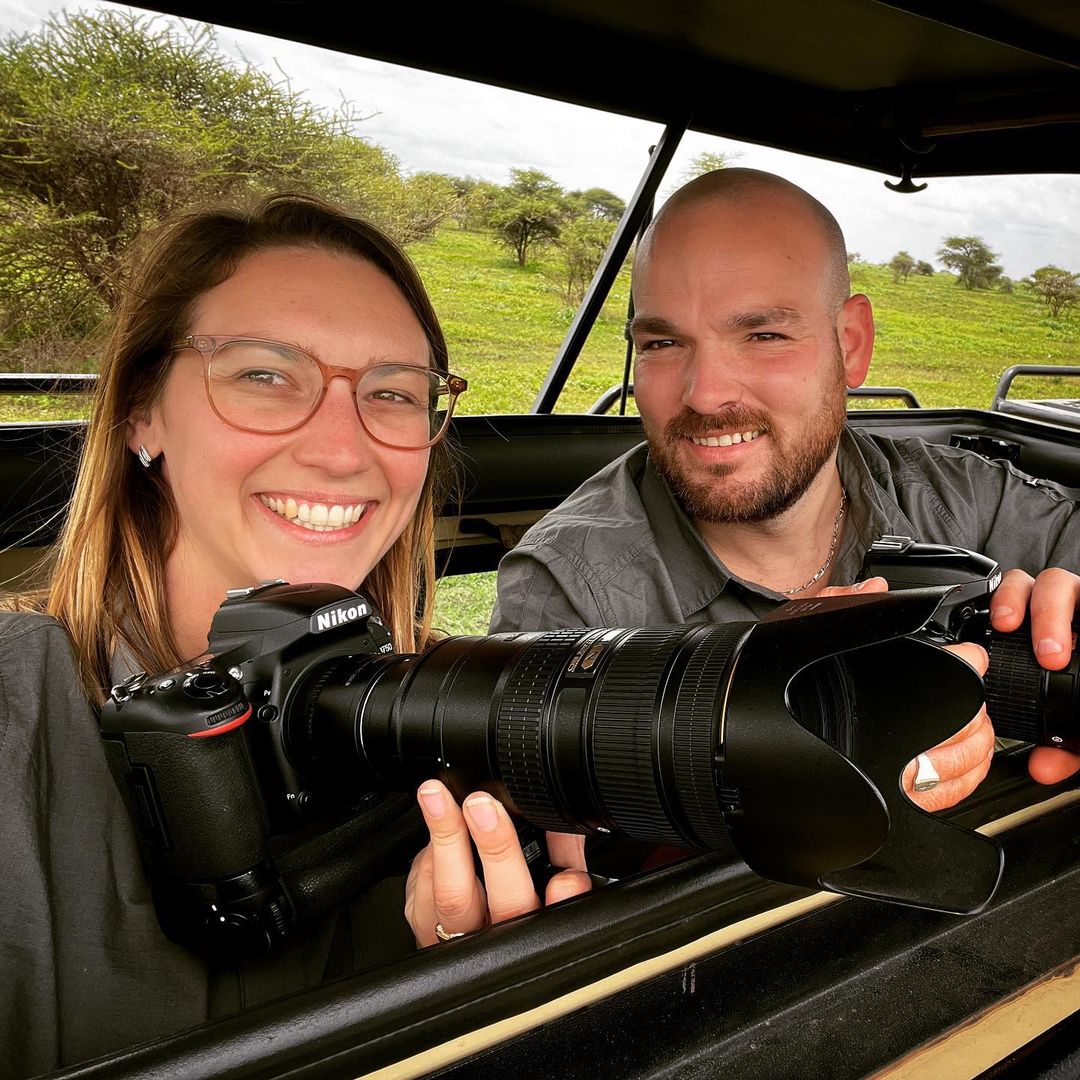
Bring a telephoto lens for wildlife and a wider lens for landscapes. Protect your equipment from rain and dust using waterproof covers or sealed bags.
Avoid pressuring your guide to move too close to animals. Respectful positioning provides a better experience and prevents disturbing wildlife.
Can Families Visit Ndutu?
Yes. Ndutu can be an excellent family safari destination, particularly with a private vehicle.
Families should consider driving distances, camp age restrictions and the length of daily game drives. Some tented camps may not accept very young children or may require families to follow special safety rules.
Select accommodation with suitable family rooms and flexible meal arrangements.
Responsible Wildlife Viewing
Keep a respectful distance from animals and never leave the vehicle unless your guide confirms that it is safe and permitted.
Do not pressure predators during hunts or surround animals with multiple vehicles. Avoid loud voices, feeding wildlife and leaving rubbish in the ecosystem.
Game drive rules can differ between the Ngorongoro Conservation Area and Serengeti National Park. Follow your guide and the regulations applying to your location.
Book Your December Ndutu Safari
Mbega African Safaris arranges private and shared Ndutu safaris from Moshi and Arusha. We can combine Ndutu with central Serengeti, Ngorongoro Crater, Tarangire or Zanzibar.
Contact us with your travel dates, number of travellers and preferred accommodation level. Our team will prepare an itinerary based on recent migration information and provide a clear quotation for your December safari.