
This guide covers the main activities at Rau Forest, how to plan your visit, what to bring, and how to include it in your Tanzania itinerary.
Use this article as a practical guide for planning your Tanzania journey with Mbega African Safaris.
Discover Rau Forest Near Moshi.
Moshi is best known as the gateway to Mount Kilimanjaro, but there are also quieter places to explore close to town. Rau Forest Reserve is one of them. This lowland forest combines tall trees, wetland areas, riverine vegetation and nearby rice fields, creating a different landscape from the open plains many visitors associate with Tanzania.
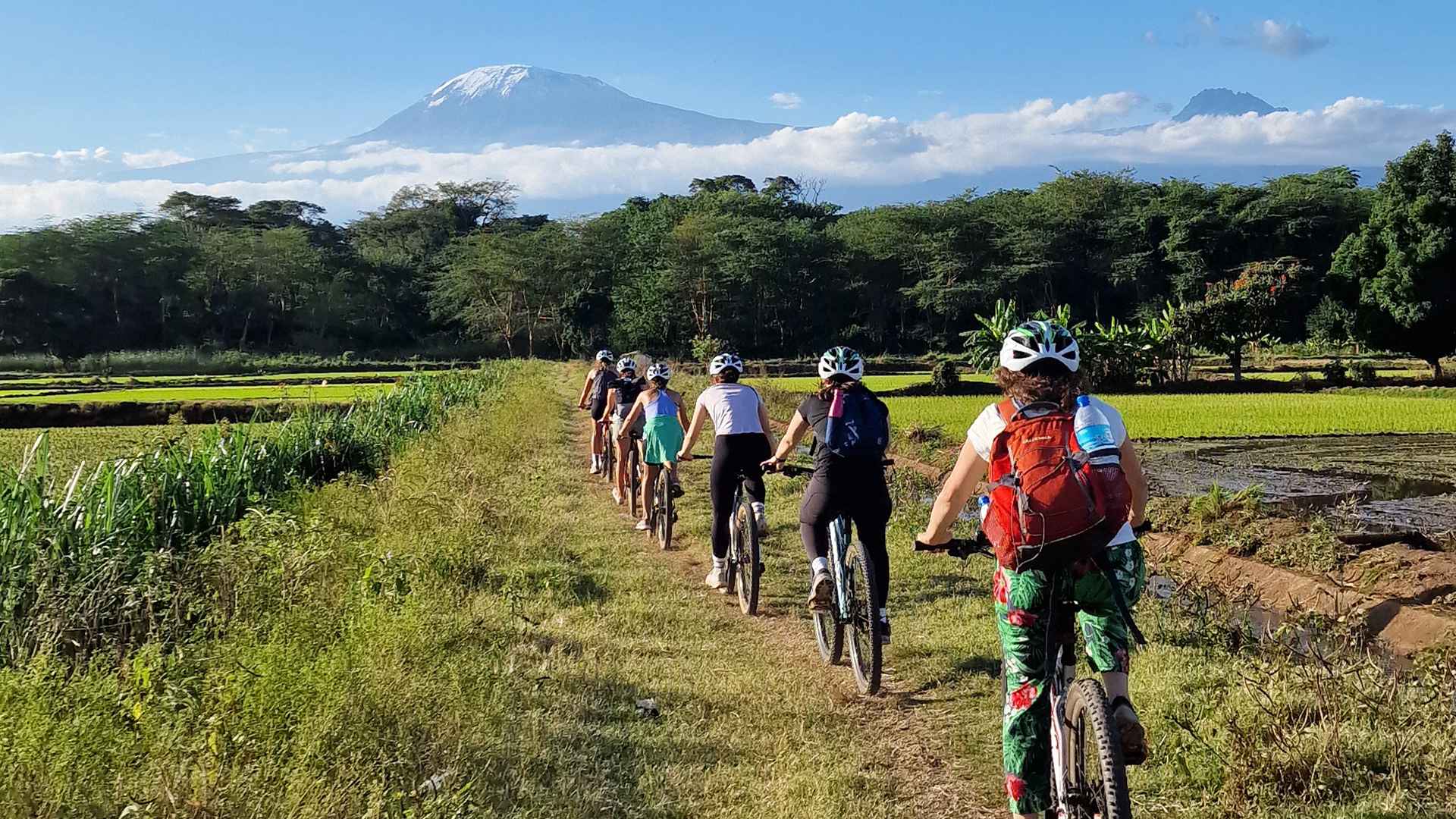
A visit can include a guided nature walk, birdwatching, wildlife spotting, cycling or canoeing in the swamp area. These activities offer different ways to experience the surroundings, whether you prefer exploring on foot, moving through the countryside by bicycle or seeing the wetland environment from the water.
Because Rau Forest is close to Moshi, it can fit into a half-day outing or form part of a longer stay in the Kilimanjaro region.
Where Is Rau Forest?
Rau Forest Reserve is located a few kilometres from central Moshi in Tanzania's Kilimanjaro Region. Its proximity to town makes it a practical option for travellers who want to spend time in nature without committing to a long drive.
The reserve contains groundwater and swamp forest habitats, along with a variety of native trees and wildlife. Around the forest, rice fields and cultivated landscapes create a contrast with the shaded vegetation beneath the forest canopy.
Travel time depends on your starting point, traffic and the arrangements for your visit. If you are staying in Moshi, Rau Forest can be considered alongside other local activities rather than as a full-day excursion by itself.
What Makes Rau Forest Worth Visiting?
Rau Forest offers a different perspective on the landscapes around Mount Kilimanjaro. Instead of mountain trails or open savannah, visitors encounter a greener environment with tall trees, shaded paths, wetland areas and birds around the forest and neighbouring farmland.
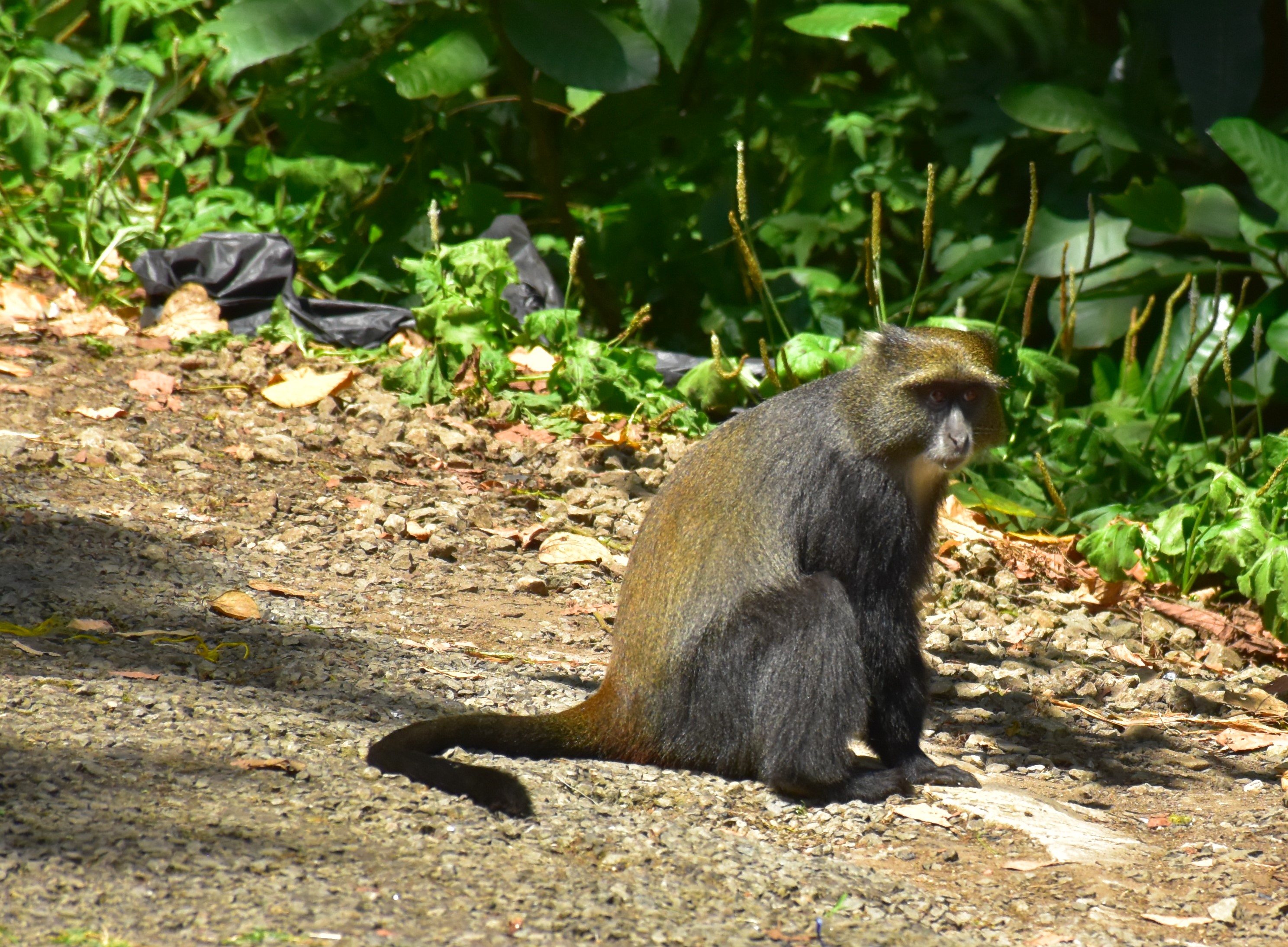
The forest is also known for wildlife such as black-and-white colobus monkeys and blue monkeys. Sightings are never guaranteed, but walking quietly and taking time to observe the surroundings can make the experience more rewarding.
Another attraction is the range of ways to explore the area. A forest walk allows you to notice trees, plants and bird calls at a relaxed pace, while cycling takes you beyond the walking trails into the surrounding countryside. Canoeing offers another perspective on the wetland environment.
Things to Do at Rau Forest
1. Take a Nature Walk Through the Forest
Walking is one of the simplest ways to appreciate Rau Forest. A guided walk can introduce you to the forest's trees, vegetation, wildlife and the relationship between the forest and the communities around it.
Moving at a relaxed pace also gives you more time to notice details that might otherwise be missed, from unusual tree trunks and small insects to birds moving through the canopy.
Comfortable walking shoes are useful, especially where paths are uneven or damp. The length and pace of the walk can be considered when planning the visit.
2. Look for Monkeys and Forest Birds
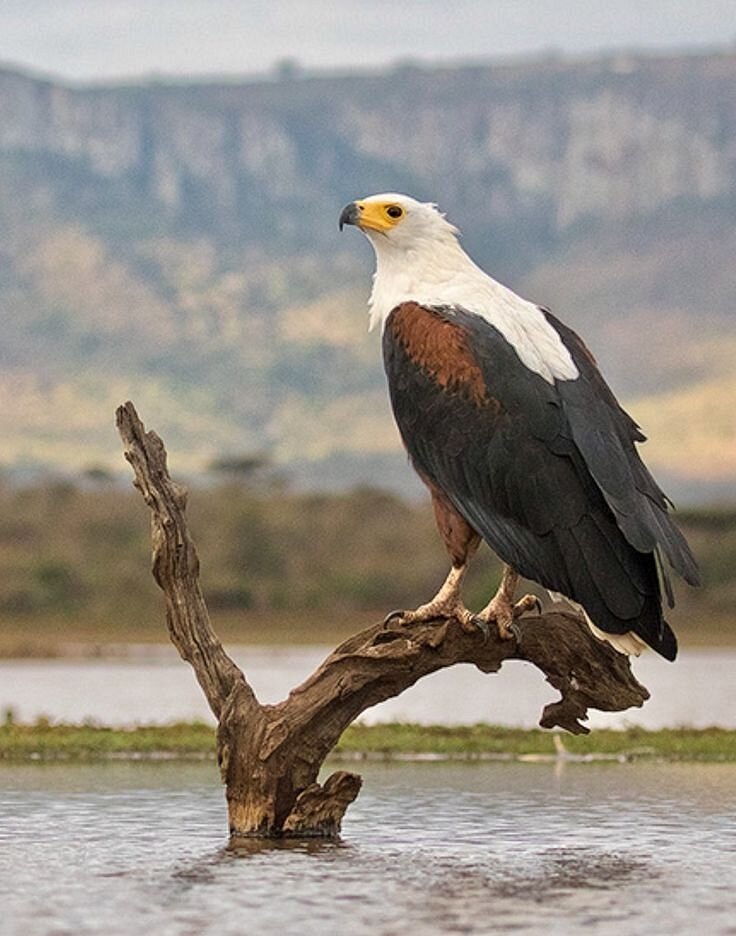
Rau Forest is home to wildlife that makes the visit particularly interesting for nature lovers. Black-and-white colobus monkeys and blue monkeys are among the primates associated with the reserve. Birds, butterflies and other small creatures add to the variety of life found within the forest and around the neighbouring rice fields.
Bring binoculars if you enjoy birdwatching, and keep your camera ready without getting so focused on photography that you miss the experience itself.
Wildlife is free to move through its natural habitat, so sightings vary. Observing quietly and following guidance on how to behave around animals helps keep the experience respectful.
3. Explore the Surrounding Countryside by Bicycle
Cycling offers a different way to experience the area around Rau Forest. Depending on the route arranged, a ride may take you beyond the forest into the surrounding countryside, where rice fields, village landscapes and cultivated land provide a contrast to the shaded forest interior.
This option suits travellers who enjoy being active and would like to see more of the landscape than a short walk allows. The route, distance and level of physical effort should match your fitness and the amount of time you have available.
If you are planning to cycle, wear comfortable clothing, use sun protection and carry drinking water. Ask about the route length when arranging the activity so you can choose an experience that suits your day.
4. Experience Rau Forest by Canoe
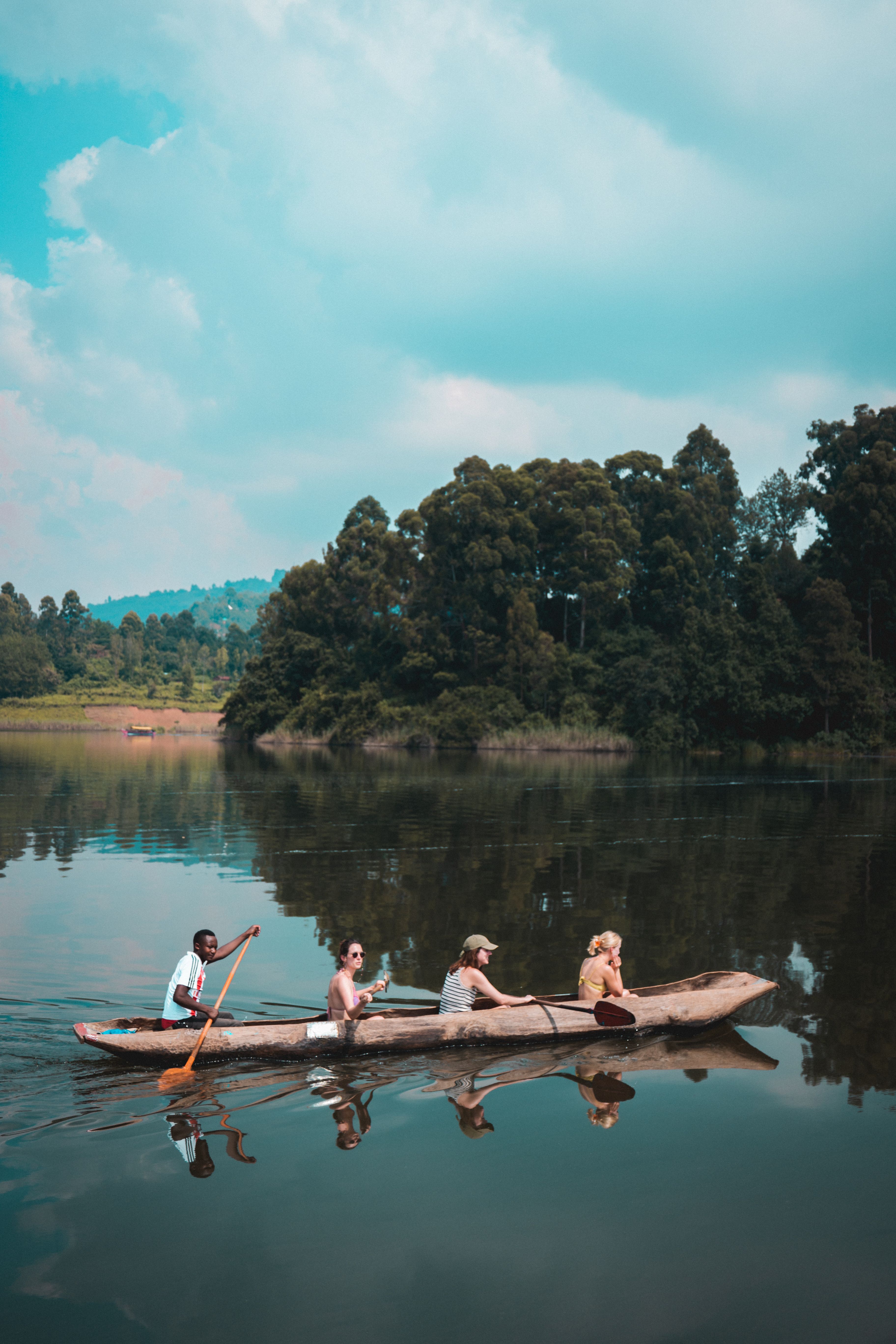
Canoeing is another way to experience Rau Forest, particularly its wetland and swamp environment. From the water, the scenery feels different from what you see while walking beneath the trees. It adds variety to a visit that might otherwise focus on forest trails and wildlife spotting.
For travellers who enjoy nature-based activities, canoeing can be an appealing addition to a forest walk or cycling experience. It offers time to take in the surrounding vegetation from a different perspective and appreciate the quieter atmosphere of the wetland area.
Canoeing is listed among activities associated with visits to Rau Forest, alongside better-known options such as walking, cycling and birdwatching. The exact experience depends on the arrangements made for the day. Follow the activity guide's safety instructions and wear any safety equipment provided.
5. Enjoy Nature Photography
Rau Forest offers a variety of subjects for photography, including tall trees, forest textures, birds, butterflies and views across nearby rice fields. The changing light beneath the canopy can also create interesting contrasts between sunlit leaves and shaded paths.
A camera with a zoom lens can be helpful for wildlife photography, while a phone is often enough for landscape details and general travel photos.
Take care not to disturb animals or damage vegetation to get a picture. Sometimes the best photographs come from slowing down and observing what is already around you.

6. Learn About the Forest and Its Surroundings
A visit to Rau Forest can also be an opportunity to understand more about the natural environment around Moshi. A knowledgeable guide can explain the importance of the forest, identify local plants and help visitors notice how the forest, wetlands and surrounding agricultural areas fit together.
This adds context to the walk and makes the experience more than simply spending time outdoors. If local food or cultural activities are included in your wider visit, they can also help you learn more about everyday life in the Kilimanjaro region.
How Long Should You Spend at Rau Forest?
The time required depends on the activities you want to include.
A short visit: Suitable if you mainly want a walk through the forest and time to look for birds or monkeys.
A half-day outing: Gives you more time for a guided walk, photography and a relaxed exploration of the surroundings.
A longer outdoor experience: If you want to combine activities such as cycling and canoeing, allow more time and arrange the schedule around the actual routes and activity durations.
It is better to choose a realistic combination of activities than to rush through several experiences. If you are visiting after climbing Mount Kilimanjaro, consider how you feel physically before choosing a longer walk or cycling route.
When Is a Good Time to Visit Rau Forest?
Rau Forest can be visited as part of a trip to Moshi throughout the year. Conditions on the day will influence the experience, particularly if you plan to walk or cycle on outdoor trails.
After rain, some paths may be muddy or slippery, and conditions in wetland areas can affect activities on the water. Comfortable shoes, suitable outdoor clothing, insect repellent and sun protection are useful additions to your day bag.
For wildlife watching and photography, patience is more important than expecting a particular sighting. Give yourself time to observe the forest rather than treating the visit as a checklist of animals to find.
Is Rau Forest Suitable for Families?
Rau Forest can be a good option for families who enjoy being outdoors. A gentle nature walk and time spent observing birds, trees and monkeys may suit children who are comfortable walking in a natural environment.
The best plan depends on the children's ages, the route and the activities selected. Cycling and canoeing require additional consideration, including appropriate equipment, supervision and safety arrangements. Choose activities according to the abilities of everyone in the group.
Families should bring snacks if needed, insect repellent and suitable footwear. It is also worth allowing time for breaks during the tour.
How to Include Rau Forest in Your Moshi Itinerary
Rau Forest works well as a local nature experience before or after a larger adventure in northern Tanzania. Travellers with a free morning or afternoon in Moshi can use the time to explore the forest without travelling far from town.
You could plan a forest walk and birdwatching for a relaxed outing, or allow more time if you would like to include cycling or canoeing. If you have several days in the region, Rau Forest can complement other experiences such as a Materuni Waterfall visit, a Chagga coffee experience or a safari.
The right combination depends on your interests, available time and energy levels. If you have just returned from climbing Kilimanjaro, a shorter outing may be more comfortable than a full day of activities.
What Should You Bring to Rau Forest?
For a comfortable visit, consider packing:
Comfortable walking shoes with a good grip
Lightweight clothing suitable for outdoor activities
Drinking water
Sun protection, including a hat
Insect repellent
A camera or phone
Binoculars if you enjoy birdwatching
A small waterproof bag if you plan to canoe
For cycling or canoeing, follow the activity-specific equipment and safety guidance provided for your outing.
Frequently Asked Questions About Rau Forest
Where is Rau Forest located?
Rau Forest Reserve is a few kilometres from Moshi town in the Kilimanjaro Region of northern Tanzania. Its location makes it suitable for a short nature outing while staying in Moshi.
What can you do at Rau Forest?
Activities associated with Rau Forest include nature walks, birdwatching, wildlife observation, photography and cycling. Canoeing is also offered as an activity in the forest's wetland area, depending on the arrangements available for your visit.
Can you go canoeing at Rau Forest?
Yes. Canoeing is an option for experiencing the wetland environment from the water. The exact route, duration and arrangements depend on the activity planned for your visit.
What wildlife can you see at Rau Forest?
The reserve is associated with black-and-white colobus monkeys, blue monkeys, birds, butterflies and other small wildlife. Sightings depend on the day and conditions, so no particular animal encounter can be guaranteed.
How far is Rau Forest from Moshi town?
Rau Forest is located a few kilometres from central Moshi, making it accessible for a short outing. The journey time depends on your pickup point and transport arrangements.
Can Rau Forest be visited after climbing Kilimanjaro?
Yes, it can be a convenient option for travellers spending extra time in Moshi after their climb. Choose the length and intensity of the activities according to your recovery and how you feel.
How much time should I allow for Rau Forest?
A short walk may fit into a few hours, while combining activities such as walking, cycling and canoeing will require more time. Plan around the activities you actually want to experience rather than trying to fit everything into one visit.
Plan a Visit to Rau Forest with Mbega African Safaris
If you are staying in Moshi and would like to explore beyond the usual mountain and safari experiences, Rau Forest offers a refreshing way to spend time in nature close to town.
Mbega African Safaris can help you consider how a visit to Rau Forest fits into your wider Tanzania itinerary, whether you have a free morning in Moshi or a few extra days around your Kilimanjaro adventure.
Tell us when you will be in Moshi and what kind of experience you enjoy, and we can help you plan a visit that fits your schedule.