
Thinking of visiting Tanzania outside the peak safari season? Discover what the low season offers, from lush landscapes and seasonal wildlife encounters to potential savings and a different pace of safari.
Use this article as a practical guide for planning your Tanzania journey with Mbega African Safaris.
Is Tanzania Worth Visiting During the Low Season?
When people begin planning a Tanzania safari, much of the conversation centers on the dry season. The months when vegetation is thinner, wildlife often gathers around remaining water sources, and game viewing can be particularly rewarding.
It is easy to assume that travelling outside this period means compromising on the experience.
But Tanzania does not stop being a wildlife destination when the rains arrive. The landscape changes, animals respond to shifting conditions, and different parts of the country offer their own seasonal attractions.
For some travelers, the low season can be an opportunity to experience Tanzania from a different perspective. There may be greener scenery, interesting birdlife, fewer visitors at certain destinations, and opportunities to find better rates at selected lodges and camps.
There are trade-offs, too. Rain can affect road conditions, wildlife may be more dispersed in some areas, and not every accommodation property operates throughout the year.
So, is a Tanzania safari during the low season worth it?
The answer depends on when you travel, where you go, and what you hope to experience. Understanding these differences is the first step towards planning a safari that suits you.
When Is the Low Season in Tanzania?
Tanzania's safari seasons are influenced by rainfall, wildlife movements, school holidays, and demand for accommodation. The exact timing varies by region, so there is no single low-season calendar that applies to every destination.
Broadly, the wetter period includes the short rains, which usually arrive around November and December, and the longer rains, which generally occur from March into May. January and February can offer a different mix of conditions, with the southern Serengeti and Ndutu particularly important during the wildebeest calving season.
For safari planning, it helps to understand the year month by month.
November and December: The Return of the Rains
As the short rains arrive, parts of northern Tanzania begin to change from dry, dusty landscapes to greener surroundings. Showers can be brief or more persistent, depending on local conditions, and the landscape may become increasingly attractive for photography.
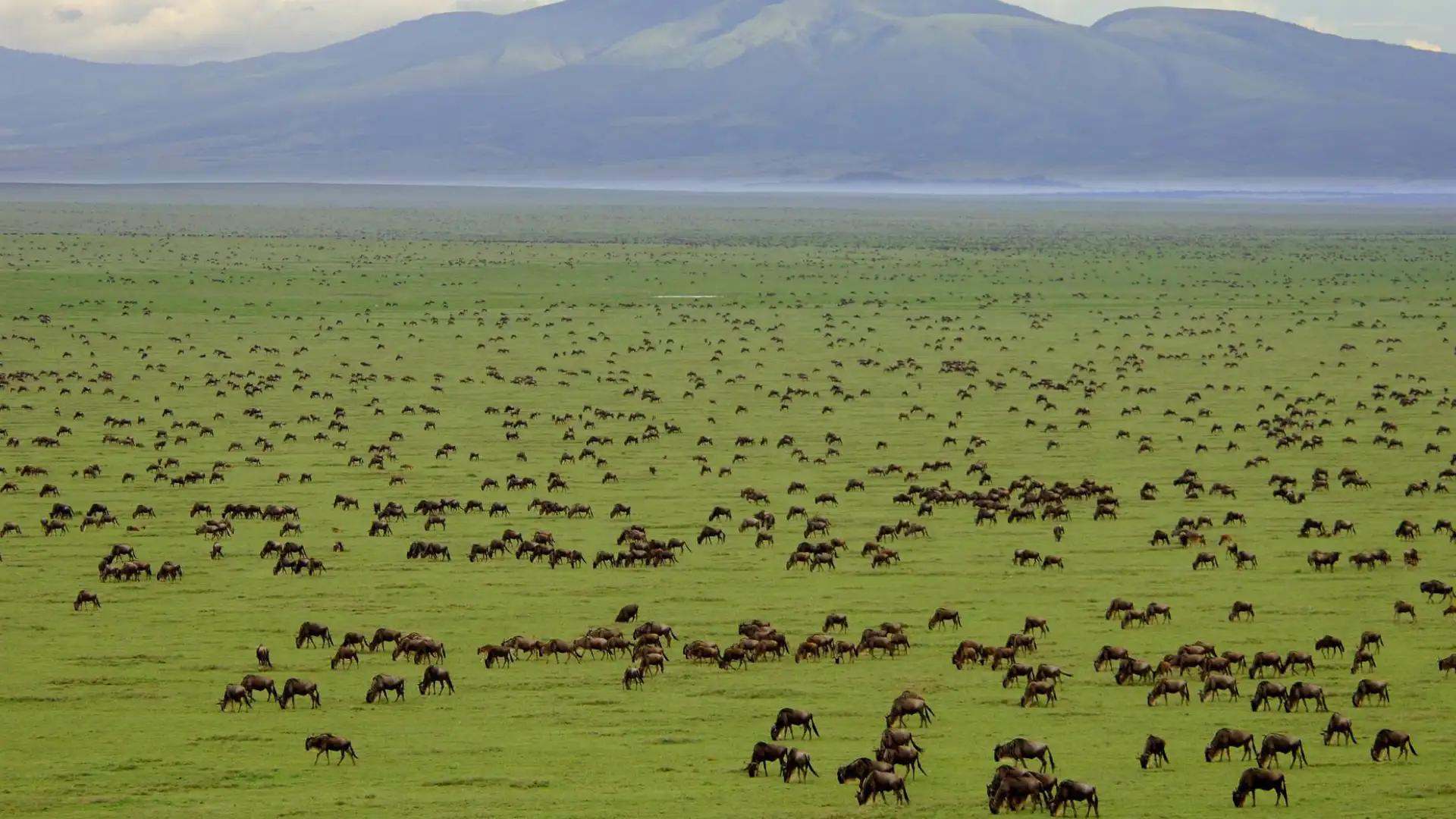
The Serengeti's migratory wildebeest herds are generally moving southwards during this period, although their location depends on rainfall and grazing conditions. Tarangire and other northern circuit destinations may also offer rewarding experiences, depending on the weather and wildlife movements.
December requires particular attention when planning. The Christmas and New Year holiday period can bring strong demand and higher accommodation rates, so it should not automatically be treated as a quiet or inexpensive time to travel.
January and February: The Calving Season
January and February are especially interesting for travellers hoping to witness the wildebeest calving season around Ndutu and the southern Serengeti.
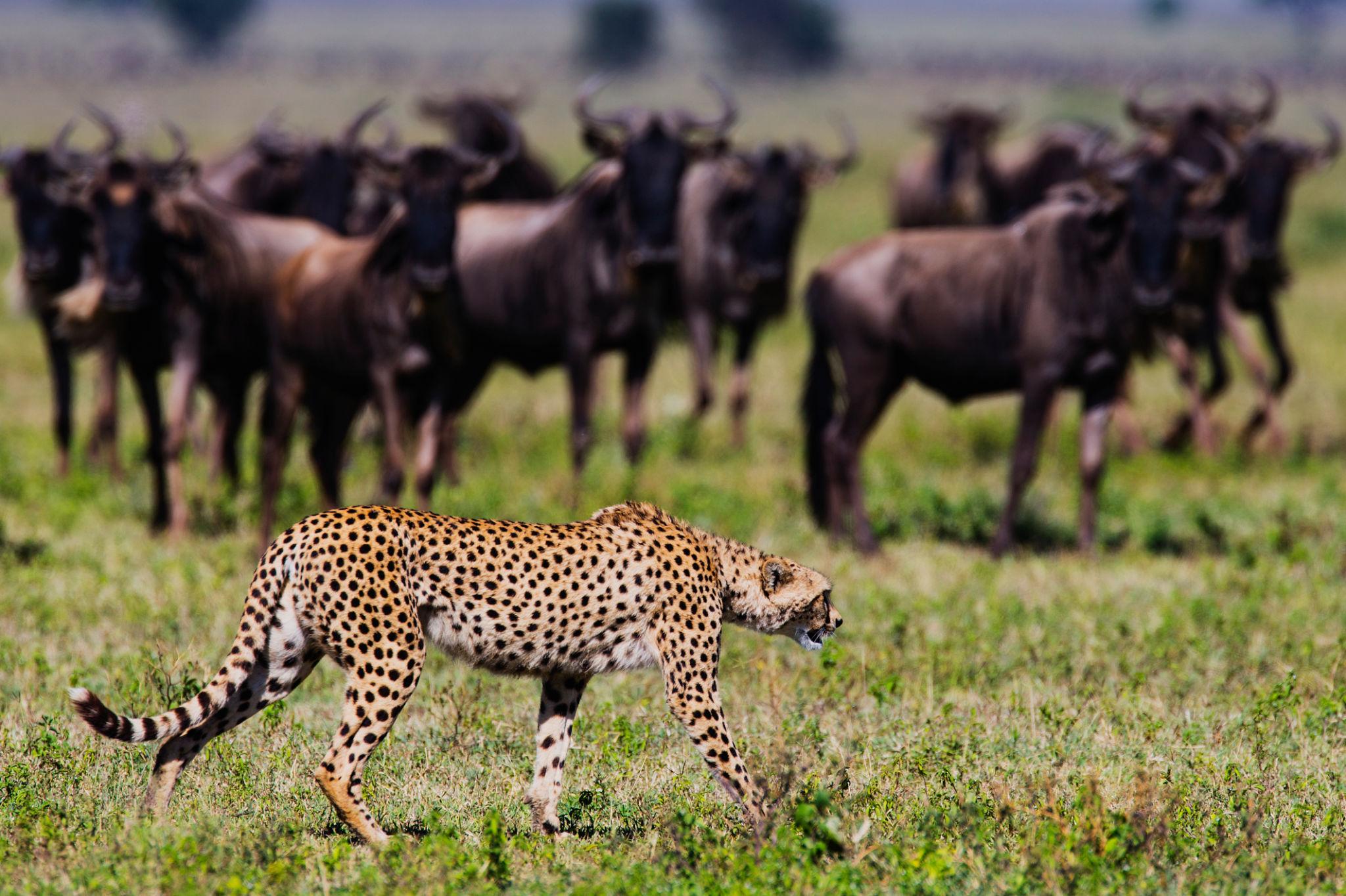
During this period, large numbers of wildebeest give birth across the short-grass plains. The abundance of young animals also attracts predators, creating opportunities to observe the interactions that shape life in the ecosystem.
The precise timing and concentration of wildlife vary from year to year. If calving season is the main reason for your trip, choosing accommodation and routes around current conditions is important.
These months can be popular for this very reason, so advance planning is advisable.
March to May: The Long Rains
The longer rains usually bring a more sustained period of wet weather, although rainfall varies across Tanzania.
The countryside can become lush, birdlife is active, and the changing light creates beautiful photographic conditions. However, some tracks can become muddy or difficult to navigate, and driving times may be less predictable.
Certain camps and lodges close during parts of this period, while others remain open. Availability, access, and the suitability of a particular route should be checked before booking.
For travelers with flexible dates and a strong interest in landscapes, birdlife, or a quieter style of travel, this period can still be worth considering. The key is to choose the itinerary with realistic expectations.
Why Consider a Low-Season Safari?
Travelling during the low season is not simply about finding a cheaper trip. It can also mean experiencing familiar destinations under different conditions.
1. Experience Tanzania's Greener Landscapes
After the rains, the plains and woodlands begin to take on fresh shades of green. Trees develop new foliage, seasonal pools appear in suitable areas, and the sky can provide a dramatic backdrop to the landscape.
For photographers, this creates opportunities to capture wildlife against a different setting from the golden grasslands often associated with the dry season.
The atmosphere can also feel different. After a shower, the dust settles and the air may feel fresh. On other days, clouds build over the plains or rain interrupts an afternoon drive.
These changing conditions are part of the experience. A low-season safari is best approached with an appreciation for the landscape as it is, rather than an expectation of uninterrupted sunshine.
2. Look for Opportunities Beyond the Main Wildlife Sightings
Tanzania is home to an extraordinary variety of wildlife, and the safari experience involves more than searching for the most famous animals.
Depending on the destination and conditions, the wetter months can offer rewarding birdwatching, interesting animal behavior, and opportunities to observe how wildlife responds to seasonal change.
Migratory birds join resident species, adding color and activity to woodlands, wetlands, and other habitats. Travellers who take time to notice the smaller details may find that bird calls, changing vegetation, and the behaviour of familiar species become just as memorable as the larger sightings.
Wildlife does not necessarily become easier to find during the low season. With more water and fresh vegetation available in some areas, animals can spread across a wider landscape. A knowledgeable guide can help interpret conditions and make informed decisions about where to explore.
3. Potentially Find Better Accommodation Rates
One of the practical reasons travelers consider the low season is the possibility of paying less for accommodation.
Some lodges and camps offer lower rates during quieter periods, making it possible to explore properties or itinerary options that might cost more at other times of year.
However, rates vary by property and date. Festive-season stays can be expensive, and accommodation near popular wildlife events may remain in demand even outside the traditional peak season.
It is also important to look beyond the nightly rate. Park fees, transport, guiding, and other itinerary costs contribute to the overall price of a safari.
Rather than assuming that every low-season trip will be cheaper, compare quotations for your preferred dates and destinations. This gives you a clearer understanding of the value available for your particular journey.
4. Enjoy a Different Pace at Selected Destinations
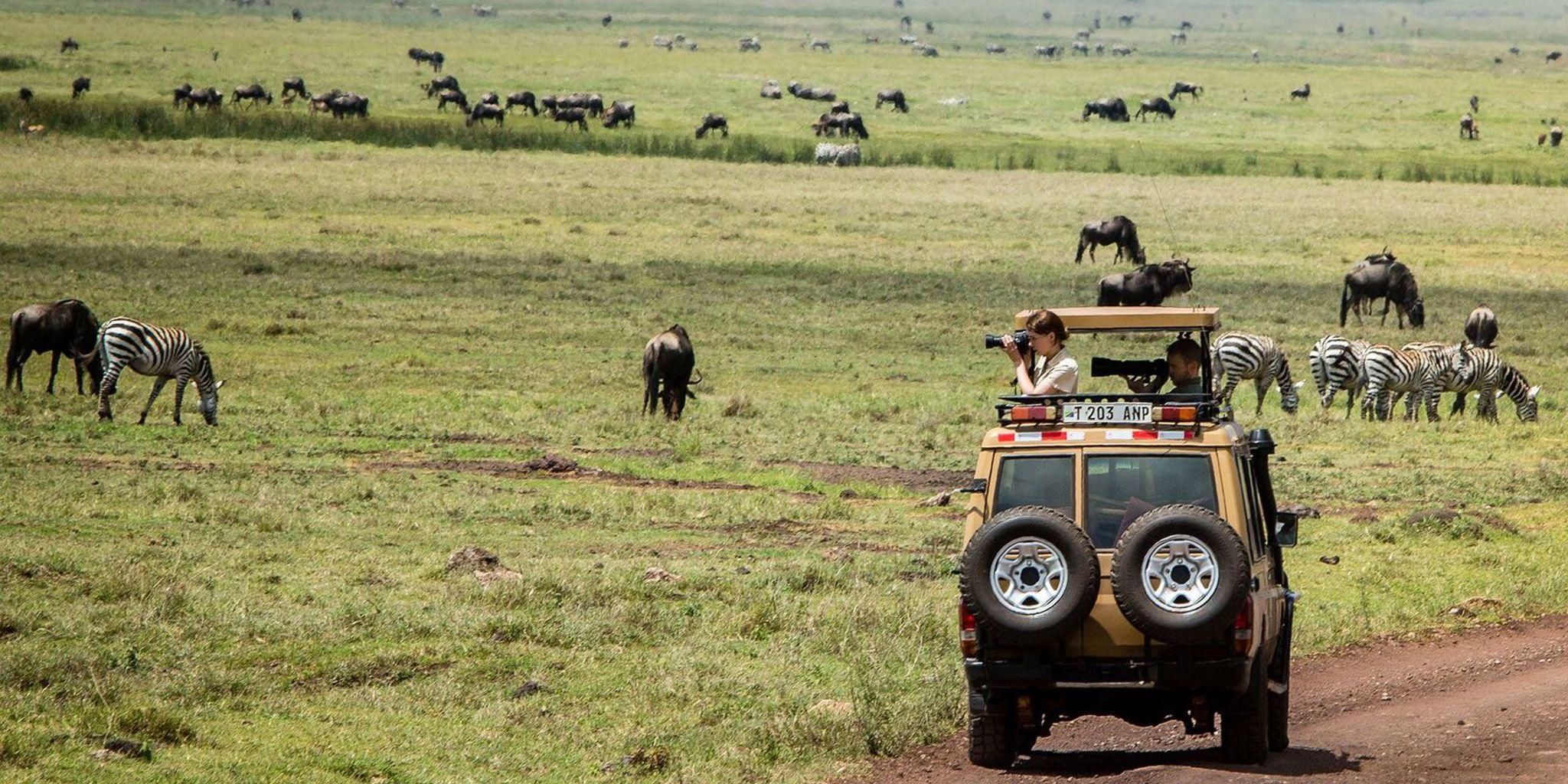
Outside the busiest travel periods, some parks and accommodation properties may receive fewer visitors. This can create opportunities for a more relaxed experience at certain times and locations.
You may find it easier to enjoy a quiet moment at a viewpoint, spend time observing wildlife without several vehicles nearby, or appreciate the atmosphere of a lodge with fewer guests.
These experiences are not guaranteed across every park or month. Popular destinations can still be busy, especially during holidays and the wildebeest calving season.
Choosing the right route and travel dates is therefore just as important as choosing the season itself.
Where Should You Go on a Low-Season Safari in Tanzania?
The best destination depends on your travel dates, interests, and the conditions expected during your visit. Here are several options to consider.
Serengeti National Park
The Serengeti offers a different experience throughout the year as the Great Migration moves in response to rainfall and fresh grazing.
During the later part of the year, migratory herds generally move towards the southern plains. Around January and February, the southern Serengeti and Ndutu areas become especially important for travelers interested in the calving season.
The Serengeti is vast, however, and the location of the herds cannot be guaranteed. Choosing where to stay based on your travel dates and the expected wildlife movements can make a significant difference to your experience.
For a low-season safari, it is worth thinking about the specific part of the Serengeti you want to explore rather than treating the park as one uniform destination.
Ngorongoro Conservation Area
The Ngorongoro Crater is a compelling addition to many northern Tanzania safari itineraries. Its enclosed landscape supports a rich variety of wildlife, and game drives can be rewarding at different times of the year.
Rain and cloud can change the scenery, sometimes bringing mist across the crater rim and greener vegetation to the surrounding highlands. Visibility and road conditions can vary, so it is useful to remain flexible.
Because the crater is often combined with other northern circuit destinations, it can fit naturally into a trip that includes Tarangire or the Serengeti.
Tarangire National Park
Tarangire is known for its elephants, distinctive baobab trees, and seasonal wildlife movements.
Rainfall influences the park's vegetation and the distribution of animals. During wetter periods, wildlife may spread into areas with fresh water and grazing, meaning that the patterns seen during the dry season can change.
For travelers interested in elephants, landscapes, and a varied northern circuit itinerary, Tarangire may still be worth considering during the low season. Current conditions and the overall route should guide the decision.
Lake Manyara National Park
Lake Manyara offers a mix of woodland, groundwater forest, open areas and lake-edge habitats. Its varied environments make it an interesting destination for travellers who enjoy birdlife and changing landscapes.
The character of the park changes with water levels and rainfall, and wildlife sightings vary accordingly. It can be a useful addition to a northern Tanzania itinerary, particularly when the route and available time allow for it.
As with other parks, the value of including Lake Manyara depends on your interests and the wider itinerary rather than the season alone.
Zanzibar: An Extension Beyond the Bush
For travellers who want to combine wildlife with time by the Indian Ocean, Zanzibar can provide a different pace after a safari.
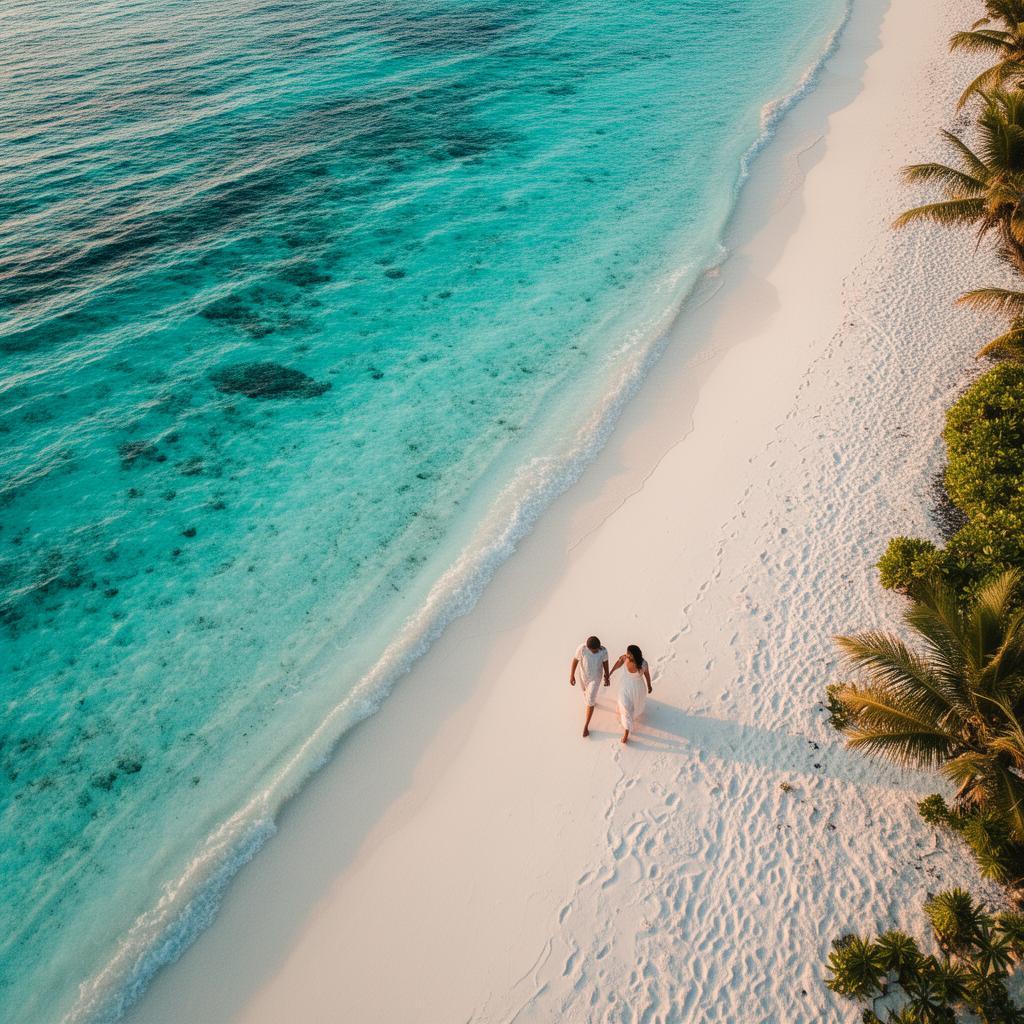
Stone Town offers opportunities to explore historic streets, architecture and local culture, while the island's coastline invites visitors to spend time by the sea.
Zanzibar has its own weather patterns, so beach conditions should be considered separately from those in the northern safari circuit. Rain can affect coastal plans, and the most suitable itinerary depends on your dates and priorities.
A safari and beach combination can be a good option for travellers who want to balance game drives with a few slower days before returning home.
What Are the Disadvantages of a Low-Season Safari?
A balanced safari guide should acknowledge that the low season is not the ideal choice for every traveller.
Rain Can Affect Travel Conditions
Rainfall can make some roads muddy, affect access to particular areas and increase driving times. A route that works well in dry conditions may require adjustments after heavy rain.
This is particularly important when planning transfers between parks or travelling to more remote camps. Allowing sufficient time between activities can help reduce unnecessary pressure on the itinerary.
Wildlife May Be More Dispersed
When fresh water and grazing are available across a wider area, animals may not gather in the same concentrations seen during drier months.
Wildlife viewing can still be excellent, but locating certain species may require patience and flexibility. Sightings depend on natural behaviour and current conditions, not simply the month on the calendar.
The Weather Is Less Predictable
You may enjoy clear skies and bright mornings, followed by an afternoon shower. At other times, rain can persist longer than expected.
If your holiday depends on consistently dry weather or a very tight schedule, these uncertainties are worth considering before booking.
None of these factors automatically rules out a low-season safari. They simply highlight why careful planning and realistic expectations matter.
Is a Low-Season Safari Cheaper Than a Peak-Season Safari?
It can be, but the answer depends on when and where you travel.
Accommodation rates may be lower during certain quieter periods, and some properties offer seasonal promotions. These opportunities can make a difference to the overall budget, especially for longer stays.
However, there are exceptions. Christmas and New Year can attract high demand, and the calving season draws travellers to the southern Serengeti and Ndutu. Rates and availability can reflect this demand.
A fair comparison should consider the complete itinerary, including accommodation, park fees, transfers, guide services and any additional experiences.
It is also worth deciding what matters most to you. A lower price may be attractive, but the best-value safari is one that fits your budget while offering the destinations, accommodation and pace you actually want.
Tips for Planning a Low-Season Tanzania Safari
A little preparation can help you make the most of travelling during the wetter months.
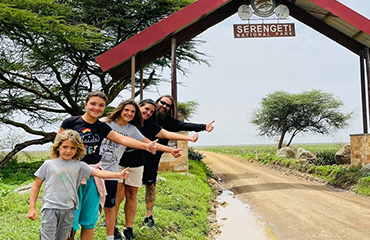
Choose your dates around your priorities. If the wildebeest calving season is your main interest, focus on January and February and plan around the southern Serengeti and Ndutu. If you are interested in greener scenery and birdlife, consider the conditions expected at your preferred destinations.
Ask about recent conditions. Rainfall can vary from year to year. Current reports from guides and accommodation providers can help you understand access, wildlife movements and the suitability of particular routes.
Build flexibility into your itinerary. Avoid planning every day around a strict sequence of long drives and tightly timed activities. A practical schedule allows for changing conditions.
Pack for changing weather. Lightweight waterproof clothing, comfortable walking shoes for camp, sun protection and layers for cooler mornings can all be useful.
Check accommodation and park access. Confirm that your chosen camps are open and that the route is suitable for the dates you plan to travel.
Book around the experiences that matter most. If your trip coincides with a popular holiday period or a major wildlife event, booking ahead can help you secure suitable accommodation and locations.
So, Is the Low Season the Right Time for Your Safari?
A Tanzania safari during the low season can be a rewarding choice for travellers who appreciate changing landscapes, seasonal birdlife and the opportunity to explore destinations outside the traditional peak period.
It can also offer accommodation savings at selected properties, although these depend on the dates and destinations involved.
The dry season remains appealing for good reasons, including the wildlife-viewing conditions found in many areas. The wetter months simply offer a different set of possibilities, with their own advantages and limitations.
Ultimately, the right time to visit Tanzania is the time that best matches your interests, budget and expectations.
If you are considering November or December, planning a January or February calving-season safari, or exploring options during the longer rains, it is worth looking at the details of your trip before deciding.
Plan Your Tanzania Safari with Mbega African Safaris
Every safari begins with a few decisions: when to travel, which places to explore and what you would most like to experience.
At Mbega African Safaris, we can help you consider the options around your travel dates, preferred accommodation, interests and budget. Whether you are looking for a wildlife-focused journey through Northern Tanzania, a safari timed around the wildebeest calving season or a trip that ends on the beaches of Zanzibar, the aim is to build an itinerary that makes sense for your plans.
Considering a Tanzania safari in the low season?
Get in touch with Mbega African Safaris to discuss your dates and explore the possibilities for your trip.