
Discover Moshi’s local markets, coffee farms, waterfalls, cultural experiences and Mount Kilimanjaro views with practical advice for planning your visit.
Use this article as a practical guide for planning your Tanzania journey with Mbega African Safaris.
Things to Do in Moshi Town, Tanzania: A Local Visitor Guide 2026 - 2027
Moshi is one of the most rewarding towns to visit in northern Tanzania. Located near the foothills of Mount Kilimanjaro, it offers a relaxed atmosphere, lively local markets, Tanzanian food, coffee experiences and access to some of the region’s most beautiful natural attractions. Many travellers use Moshi as a starting point for climbing Kilimanjaro, but the town and its surroundings are worth exploring in their own right.
Whether you have one free day before your mountain trek, are travelling through northern Tanzania or want to experience everyday life beyond the national parks, Moshi offers plenty to discover. Here are some of the best things to do in Moshi in 2026, along with practical advice to help you plan your visit.
1. Explore Moshi Town Centre
Start your visit with a walk through Moshi town centre. The streets offer a glimpse into everyday life in northern Tanzania, with small shops, cafés, local restaurants, markets and businesses serving both residents and visitors.
Take time to explore at a relaxed pace, observe the daily activity and stop for a refreshing drink or a local meal. You can also browse shops selling clothing, household goods, souvenirs and locally made products.
For a more rewarding visit, consider walking with a local guide who can explain the town’s history, customs and daily routines. Ask before photographing people, market stalls or private property, and keep valuables secure in crowded areas.
Local tip: Carry some Tanzanian shillings for small purchases. Larger hotels and established businesses may accept cards, but payment options vary between shops and local vendors.
2. Visit the Local Markets
Markets are among the best places to experience the character of Moshi. Depending on the day and location, you may find fresh fruit, vegetables, spices, grains, household items and other products used in everyday Tanzanian life.
Look out for seasonal tropical fruit such as bananas, mangoes, avocados and passion fruit. Local produce is an easy way to discover flavours that may be unfamiliar to visitors.
Markets are primarily places where people shop and work, so be respectful when visiting. Ask permission before taking photographs, avoid blocking busy walkways and agree on prices before purchasing goods where bargaining is customary.
Best for: Travellers interested in local culture, food and everyday life.
3. Experience a Tanzanian Coffee Tour
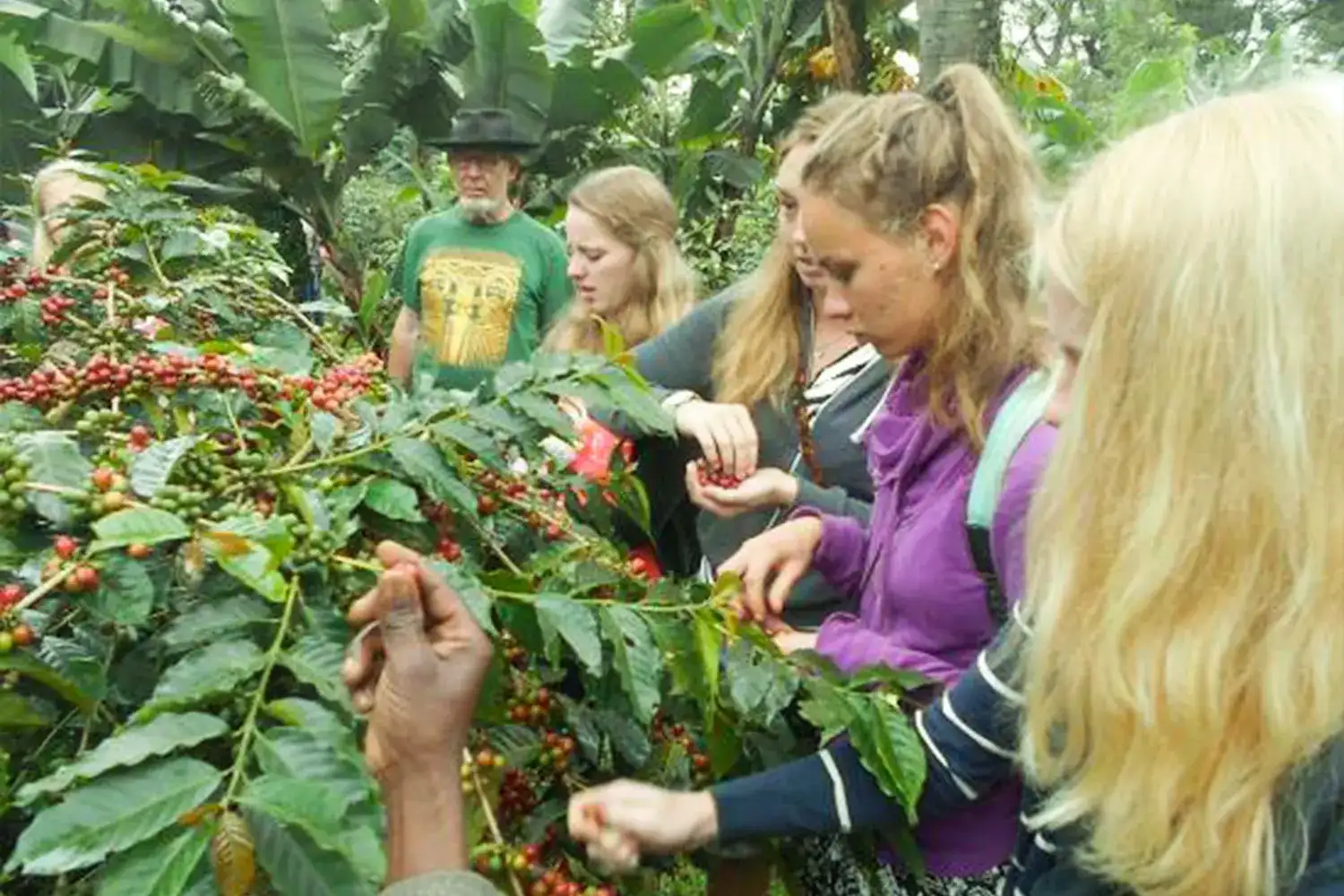
Coffee is closely associated with the Kilimanjaro region, and a coffee tour is an excellent way to understand how a familiar drink moves from farm to cup.
On a guided coffee experience, you may visit a small farm, learn how coffee plants are cultivated and discover the traditional methods used to process, roast and prepare coffee. Some community experiences include demonstrations and opportunities to prepare coffee with your hosts.
The details vary by village and operator, but the experience can provide valuable insight into farming, local livelihoods and the importance of coffee to communities around Mount Kilimanjaro.
If you enjoy coffee, take time to sample a freshly prepared cup and ask your guide about the differences between growing, processing and roasting methods.
Local tip: Ask whether your chosen tour includes transport, a farm visit, a coffee-making demonstration and a meal. These details can differ between providers.
4. Take a Day Trip to Materuni Waterfalls
Materuni Waterfalls is a popular excursion from the Moshi area, especially for travellers who want to combine nature, walking and cultural experiences.
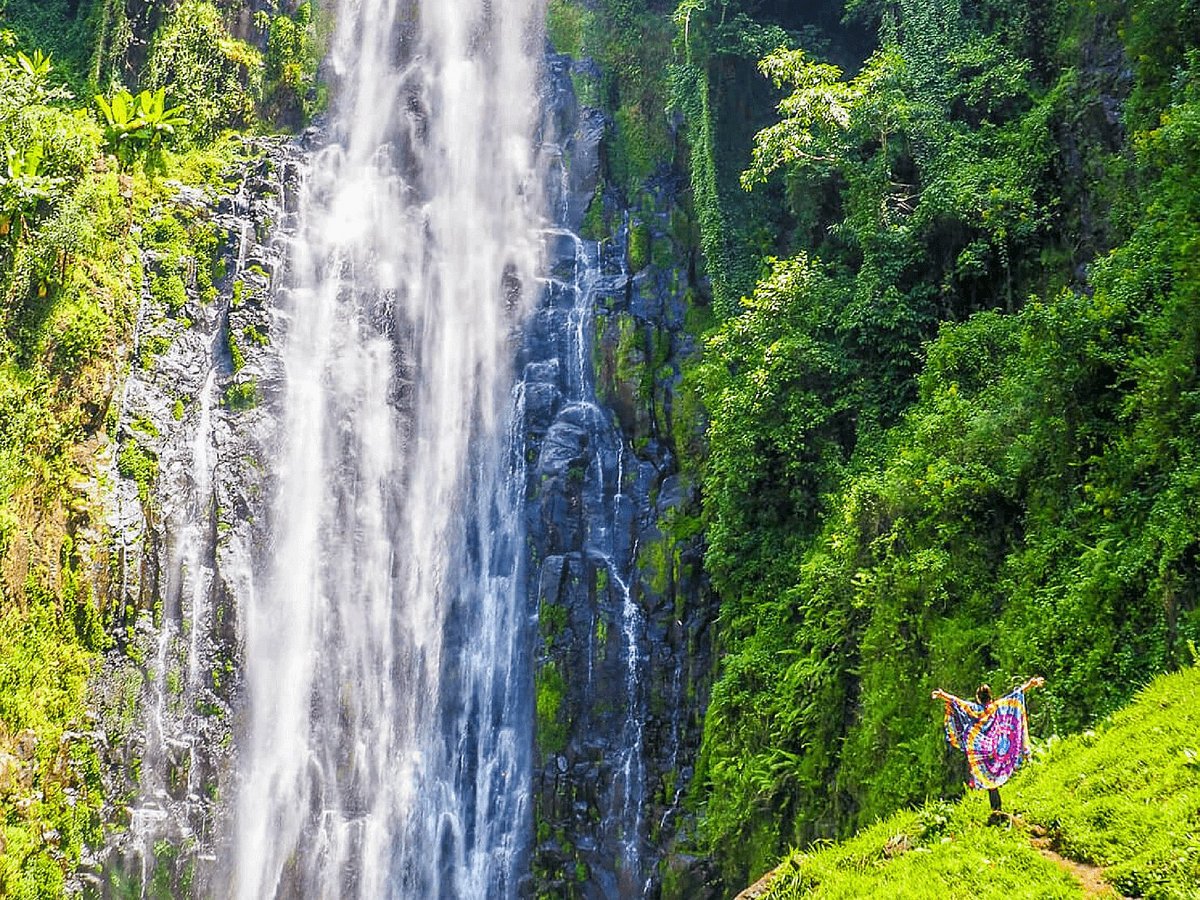
The journey takes you into the green foothills of Kilimanjaro, where the scenery changes from town streets to rural settlements and cultivated landscapes. The walk to the waterfall can involve uneven paths, slopes and slippery sections, particularly after rain.
Once you arrive, enjoy the natural surroundings and the sound of water cascading down the rocky landscape. Many visitors combine the waterfall trip with a coffee experience in the Materuni area, creating a varied day outside town.
Wear comfortable walking shoes, carry drinking water and bring a light rain jacket. Conditions can change quickly around the mountain, so follow your guide’s advice and allow enough time for the walk.
Best for: Nature lovers, couples, photographers and travellers with a free day in Moshi.
5. Discover Chagga Culture and Village Life
The Chagga people have a long history in the fertile foothills of Mount Kilimanjaro. A cultural visit around Moshi can introduce travellers to local farming traditions, food, family life and the relationship between communities and the mountain environment.
Depending on the experience arranged, you may learn about traditional homes, banana cultivation, coffee farming and local cooking. A knowledgeable local guide can explain the significance of particular customs and how village life has changed over time.
Choose community visits that respect residents and provide a genuine opportunity for cultural exchange. Ask before entering private property or photographing people, and avoid treating cultural traditions as performances without context.
Local tip: If your visit includes a meal, ask in advance what will be served and inform your host or operator about any dietary requirements.
6. Enjoy the Views of Mount Kilimanjaro
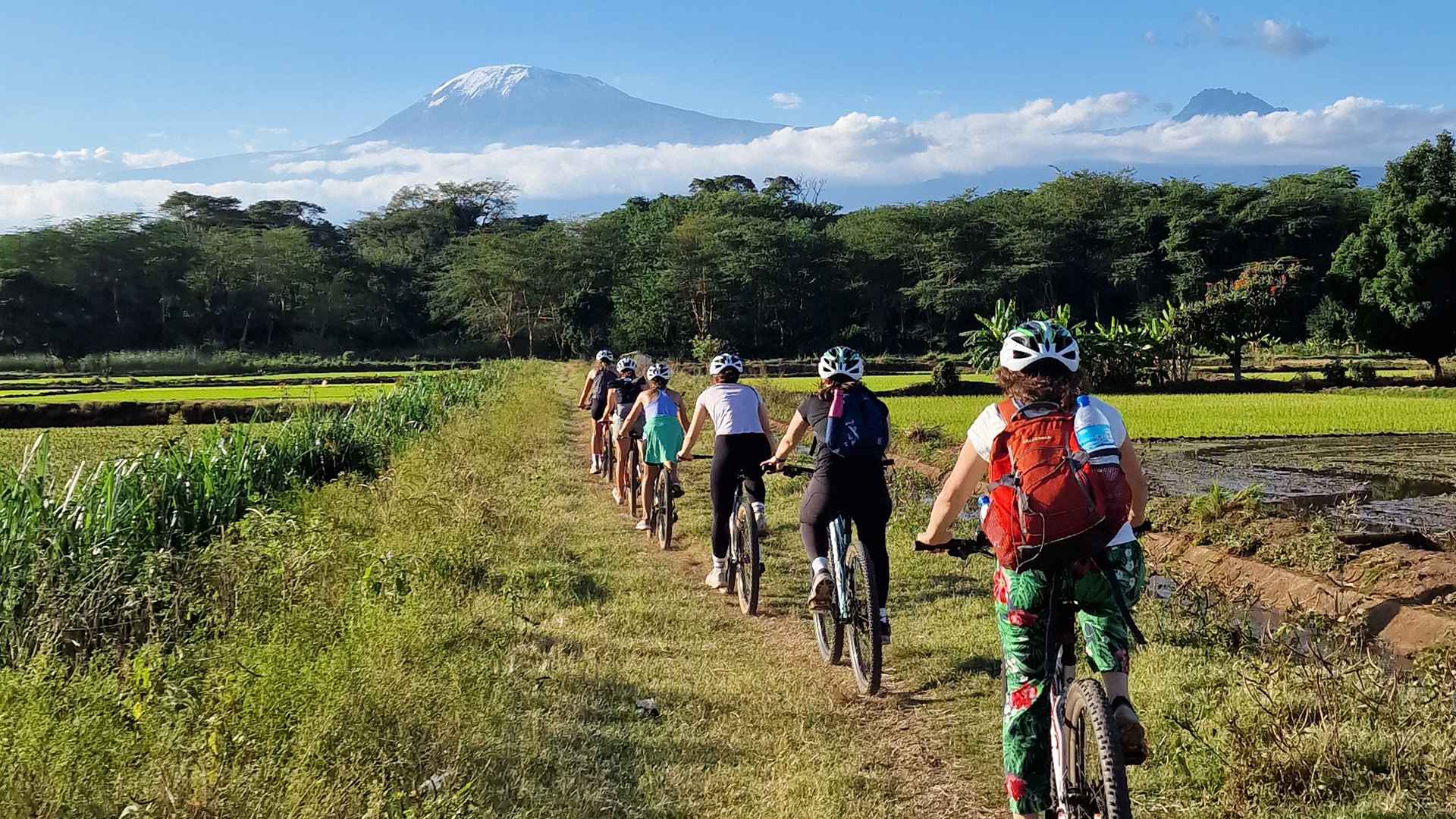
Mount Kilimanjaro is the defining natural landmark of the region, but the mountain is not always visible. Clouds can cover its upper slopes, particularly at certain times of day and during unsettled weather.
On a clear morning, you may be rewarded with impressive views of the mountain from suitable locations around Moshi and its outskirts. Some visitors prefer to head towards rural areas or open viewpoints where buildings and vegetation do not obstruct the horizon.
Bring a camera, but be patient with the weather. If the summit is hidden when you arrive, conditions may change later. Ask a local guide or your accommodation for suggestions on suitable viewing locations based on the day’s conditions.
You do not need to climb the mountain to appreciate its scale and beauty. Even a short visit to the surrounding countryside can offer memorable views when the sky is clear.
7. Try Local Tanzanian Food
Food is an important part of any visit to Moshi. Local restaurants and small eateries offer opportunities to try familiar Tanzanian dishes and regional specialities.
Consider sampling some of the following:
Ugali: A firm maize-based staple commonly served with vegetables, beans, meat or fish.
Nyama choma: Grilled meat, often enjoyed with friends and family.
Pilau: Spiced rice prepared with ingredients that vary by recipe.
Chipsi mayai: A popular combination of chips and eggs.

Safari Experience Ndizi: Bananas prepared in different ways, including cooked dishes common in northern Tanzania.
Fresh tropical fruit: A refreshing choice when seasonal produce is available.
Food hygiene standards vary between establishments. Choose places where food is freshly prepared and served hot, and drink treated or bottled water if you are unsure about the local water supply.
If you have dietary restrictions, explain them clearly before ordering. Vegetarian options are available in many places, although preparation methods and ingredients differ.
8. Shop for Souvenirs and Local Crafts
Before leaving Moshi, consider buying a small souvenir from a local shop or craft seller. Depending on availability, you may find handmade items, artwork, textiles, carvings, coffee and other products associated with Tanzania.
Coffee is a practical gift for friends and family, while locally made crafts can serve as lasting reminders of your visit. Ask about the origin of products if you want to support local makers directly.
When shopping, compare prices and check the quality before paying. If bargaining is customary, negotiate politely. Avoid buying products made from protected wildlife or other restricted materials.
If you plan to carry food or plant products across international borders, check your destination country's customs regulations before purchasing them.
9. Visit Kikuletwa Hot Springs
Travellers with more time can consider a day trip to Kikuletwa Hot Springs, also known as Chemka. This natural swimming destination is located outside Moshi and is known for its clear water, surrounding trees and peaceful atmosphere.
The trip usually requires road transport, and journey times depend on the starting point, route and road conditions. Visitors often spend time swimming, relaxing beside the water and enjoying the natural setting.
Bring swimwear, a towel, sun protection and a change of clothes. Check local conditions before travelling, follow safety instructions at the site and avoid jumping into unfamiliar water without checking the depth and designated areas.
Kikuletwa is not in central Moshi, so allow enough time for both the drive and your visit. A private day trip can make the schedule easier to manage if you have limited time.
10. Visit Nearby Waterfalls and Natural Attractions
Materuni and Kikuletwa are among the best-known excursions from Moshi, but the wider Kilimanjaro region offers additional opportunities for nature walks and community experiences.
The most suitable activity depends on your interests, fitness, available time and transport arrangements. Some excursions involve steep trails or long walks, while others are designed for a more relaxed day outdoors.
Before booking, confirm the exact destination, travel time, walking distance, entrance fees and whether a guide is provided. This is particularly important if you are travelling with children, have mobility limitations or need to return to Moshi by a specific time.
For travellers preparing to climb Kilimanjaro, a gentle outing may be preferable to a strenuous hike immediately before the trek.
11. Learn About Kilimanjaro Before Your Climb
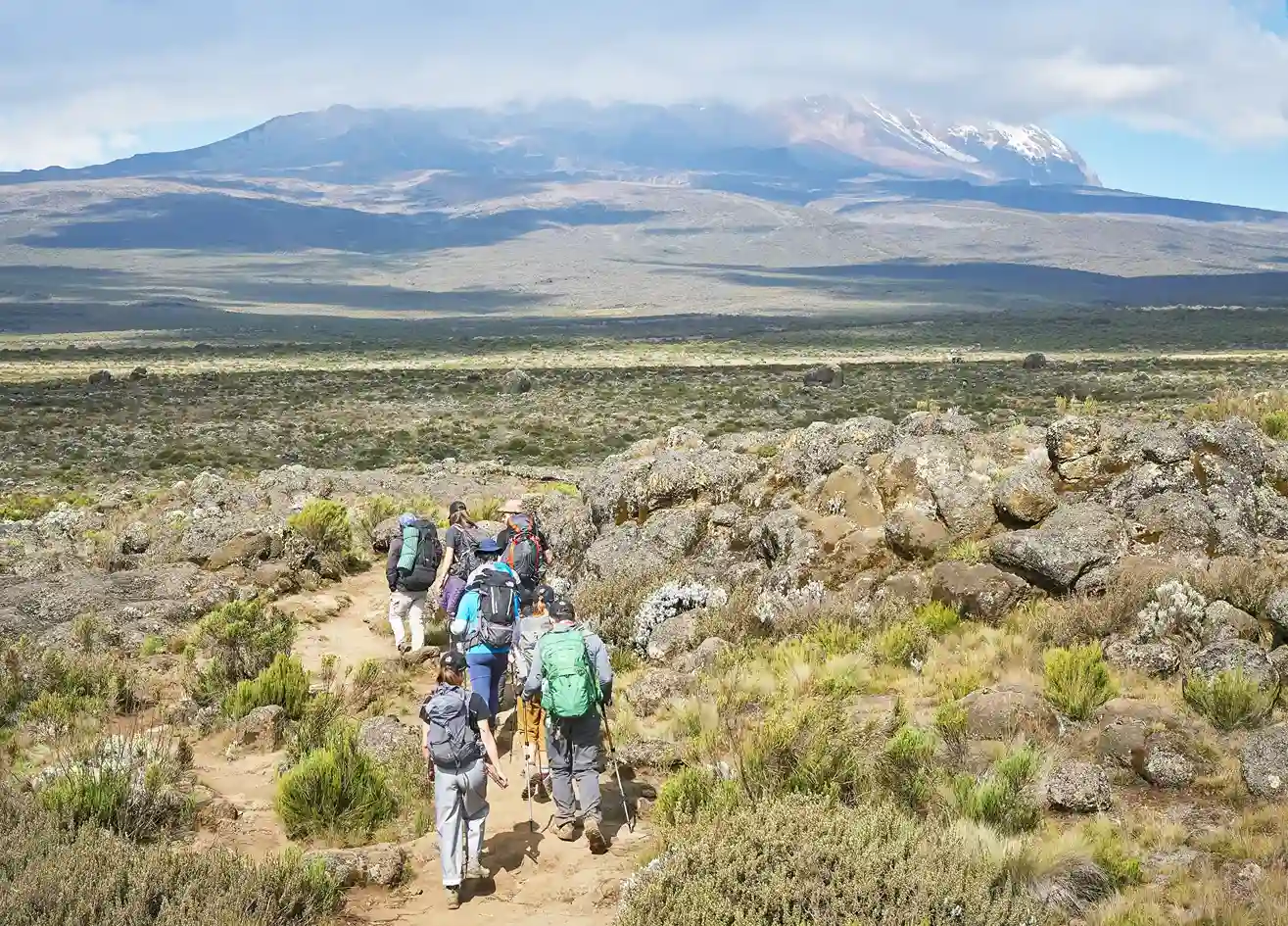
Moshi is a major base for travellers preparing to climb Mount Kilimanjaro. If you are planning a trek, you can use your time in town to check equipment, meet your tour operator and make sure you understand the itinerary.
Kilimanjaro has several established climbing routes, including Marangu, Machame, Lemosho and Rongai. Each route differs in scenery, duration, accommodation arrangements and acclimatization profile.
Before choosing a climb, discuss your fitness, previous hiking experience, available time and the importance of allowing your body to adjust to altitude. No route can eliminate altitude-related risks, and reaching Uhuru Peak at 5,895 metres is never guaranteed.
If you are arriving from another country or travelling after a safari, leave sufficient time to rest, organize your equipment and attend your climb briefing.
Planning advice: Confirm what your trekking package includes, especially park fees, mountain accommodation, meals, equipment, transfers and the services provided by the mountain crew.
12. Use Moshi as a Base for Northern Tanzania Safaris
Moshi can also be part of a wider northern Tanzania holiday. Depending on your schedule, you may combine time in town with a wildlife safari, a cultural excursion or a Kilimanjaro trek.
Popular safari destinations in northern Tanzania include Tarangire National Park, Lake Manyara National Park, the Ngorongoro Conservation Area and Serengeti National Park. Travel times vary by destination, road conditions and the itinerary, so avoid scheduling activities too tightly.
A short visit may suit a day trip or a two-day safari, while travellers who want to explore several parks may benefit from a longer itinerary. If your trip includes a mountain climb, plan the order of activities carefully so that you have enough time for rest and recovery.
Mbega African Safaris can help you plan a suitable combination of Moshi activities, Kilimanjaro trekking and Tanzania wildlife experiences according to your travel dates and budget.
How Many Days Should You Spend in Moshi?
The amount of time you need depends on what you want to experience.
One day in Moshi
Spend time exploring the town centre, visit a local market, enjoy Tanzanian food and arrange a coffee experience if timing and transport allow.
Two days in Moshi
Use one day for town activities and a coffee or cultural visit, then dedicate the second day to Materuni Waterfalls or another excursion outside town.
Three days in Moshi
With three days, you can explore the town, visit a waterfall and coffee farm, and enjoy another excursion such as Kikuletwa Hot Springs. Check travel times before finalizing your schedule.
More than three days
Consider combining Moshi with a northern Tanzania safari, additional cultural experiences or a Mount Kilimanjaro trek. A summit climb requires substantially more time than ordinary day trips, and the full travel schedule should include arrival, preparation and recovery.
Best Time to Visit Moshi in 2026
Moshi can be visited throughout the year, although weather affects visibility, walking conditions and mountain activities.
The generally drier periods are often preferred for outdoor excursions and trekking, while rainy periods can bring greener landscapes but also muddy trails and more challenging road conditions. Actual weather varies, and conditions around Mount Kilimanjaro can differ from those in town.
If seeing Mount Kilimanjaro is a priority, allow some flexibility in your schedule because cloud cover can obscure the mountain even when the weather in Moshi appears pleasant.
For a waterfall walk, bring suitable footwear and rain protection regardless of the season. For Kilimanjaro trekking, follow the route-specific advice provided by your operator and check current conditions before departure.
Practical Travel Tips for Visiting Moshi
A little preparation can make your stay more comfortable.
Transport: Arrange reliable transport for excursions outside town. Confirm the pickup point, return time and whether fuel, parking and entrance fees are included.
Clothing: Lightweight clothing works well in town, while mornings and evenings may be cooler. Bring a warmer layer for higher elevations.
Footwear: Comfortable walking shoes are suitable for town exploration. Waterfall trails may require shoes with good grip.
Money: Carry some Tanzanian shillings for smaller purchases and confirm accepted payment methods before booking activities.
Connectivity: Mobile coverage varies by location. Download essential travel details before heading into rural areas.
Respect for local communities: Dress appropriately for the activity, ask before taking photographs and follow your guide’s advice.
Health and safety: Carry drinking water, protect yourself from the sun and use suitable insect protection when needed.
Booking activities: Confirm what is included, cancellation conditions, transport arrangements and the expected duration.
Travel insurance: Consider appropriate cover for your activities. If climbing Kilimanjaro, check that your policy specifically covers high-altitude trekking and evacuation.
Is Moshi Worth Visiting?
Yes. Moshi is more than a stopover for Kilimanjaro climbers. It offers a useful introduction to life in northern Tanzania, access to coffee-growing communities, nearby waterfalls, local food and opportunities to explore the countryside.
The town is particularly appealing to travellers who want a slower experience between major activities. You can spend a morning exploring local streets, enjoy a coffee experience in the foothills and plan a day trip without needing to change hotels every night.
Moshi also works well as part of a longer itinerary. With thoughtful planning, you can combine its cultural and natural attractions with wildlife safaris or a guided Mount Kilimanjaro climb.
Plan Your Moshi Experience with Mbega African Safaris
Make the most of your time in northern Tanzania with help from Mbega African Safaris. Whether you want to explore Moshi town, visit Materuni Waterfalls, experience local coffee culture, enjoy Kikuletwa Hot Springs or combine your visit with a wildlife safari or Kilimanjaro climb, we can help you plan an itinerary that suits your interests and schedule.
Tell us your travel dates, the number of people travelling and the activities you would like to experience. We will help you review suitable options, transport arrangements and pricing before you confirm your trip.
Visit Mbega African Safaris to start planning your Tanzania holiday.