

100% refundable deposits Pay Online Now
100% refundable deposits Pay Online Now

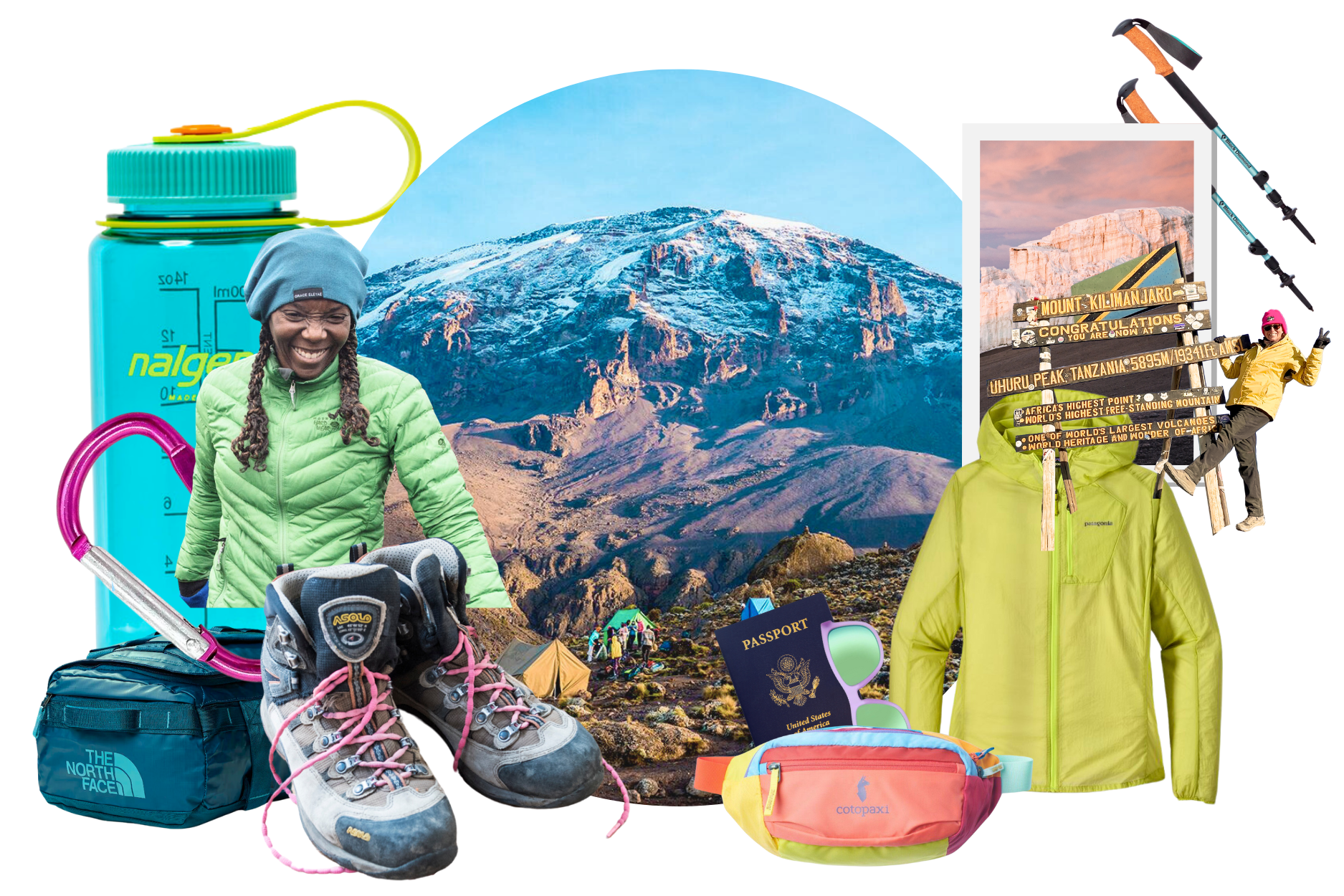
Mount Kilimanjaro has multiple climate zones ranging from tropical rainforest to arctic conditions at the summit. Knowing how to dress properly helps regulate body temperature prevent illness and improve your overall trekking experience from the first day to the final summit push
Kilimanjaro weather changes as you gain altitude. Lower slopes are warm and humid while higher camps are cold and windy. Summit night is extremely cold and requires serious insulation. Dressing in layers allows you to adjust easily as conditions change throughout the day
The base layer sits directly on your skin and its main job is to keep you dry. Choose lightweight breathable fabrics such as merino wool or synthetic materials. Avoid cotton because it absorbs moisture and causes heat loss
The mid layer provides warmth by trapping body heat. Fleece jackets or light insulated jackets work well for most trekking days. On colder days you may wear more than one insulating layer
The outer layer protects you from wind rain and snow. A waterproof and windproof jacket and trousers are essential especially in alpine zones and during summit night
Lower altitudes are warm and humid. Lightweight trekking trousers breathable shirts and a sun hat are ideal. Rain showers are common so a light waterproof jacket should always be in your daypack
Temperatures drop significantly at higher elevations. Wear long sleeve base layers warmer trekking trousers fleece jackets and a windproof shell. Gloves and a warm hat become important as mornings and evenings get colder
Summit night is the coldest part of the climb. Temperatures can drop well below freezing. You will need a heavy insulated down jacket thermal base layers insulated trousers thick gloves a warm hat neck gaiter and thermal socks. Proper clothing on summit night is critical for safety
Wear sturdy waterproof hiking boots that are well broken in before the climb. Use moisture wicking socks and consider layering socks for extra warmth on summit night. Gaiters can help keep dust and snow out of your boots
A warm hat sun hat gloves sunglasses and sunscreen are all essential. UV exposure is strong at altitude and protecting your skin and eyes is just as important as staying warm
You can use this checklist as a printable guide when preparing for your Mount Kilimanjaro climb. It covers all essential clothing gear and personal items needed for a safe and comfortable trek
Moisture wicking base layers for top and bottom
Warm mid layers such as fleece or insulated jackets
Waterproof and windproof outer jacket
Waterproof trekking trousers
Heavy insulated jacket for summit night
Thermal underwear for cold nights
Trekking shirts short sleeve and long sleeve
Warm hat and sun hat
Insulated gloves and lightweight gloves
Neck warmer or buff
Trekking socks multiple pairs
Thermal socks for summit night
Comfortable camp clothing
Sleepwear for cold conditions
Waterproof hiking boots well broken in
Camp shoes or sandals
Gaiters for dust and snow protection
Daypack with rain cover
Sleeping bag rated for cold temperatures
Trekking poles
Headlamp with extra batteries
Sunglasses with UV protection
Water bottles or hydration system
Personal toiletries and towel
Camera or phone for photos
Personal medications
First aid essentials
Sunscreen and lip balm
Wet wipes and hand sanitizer
Snacks for energy
These routes have varied terrain and longer durations. Layering is critical. Bring extra insulating layers due to higher camps and longer summit nights especially during early mornings
Because this route uses huts instead of tents warm sleepwear is essential. Even inside huts temperatures can drop significantly at night especially during the dry season
This route is drier and colder particularly in the early months of the year. Extra thermal layers and wind protection are highly recommended
The longest route with more exposure to wind. Bring additional warm layers and reliable waterproof gear to handle changing weather conditions
During June to October and January to February expect cold nights and strong sun. Lightweight layers for daytime and heavy insulation for summit night are essential
During March to May and November waterproof jackets trousers and quick drying clothing are crucial to stay warm and dry throughout the trek
Kilimanjaro packing list
What to wear on Mount Kilimanjaro
Kilimanjaro clothing guide
Best clothes for climbing Kilimanjaro
Kilimanjaro trekking gear checklist
Mount Kilimanjaro climb preparation
Explore all expertly guided Kilimanjaro climbing options through our Kilimanjaro climbing packages page with detailed routes itineraries and prices
Learn more about Machame Route climbs with high summit success rates
Discover Lemosho Route scenic and extended acclimatization treks
View Marangu Route hut based climbing experiences
Compare all Kilimanjaro routes to choose the best option for your adventure
Preparing the right clothing and gear for Mount Kilimanjaro increases comfort safety and summit success. Use this checklist and route specific advice to plan confidently and enjoy a successful climb with Mbega African Safaris
Bring clean dry thermal clothing specifically for sleeping. Night temperatures can be very cold even at lower camps so warm sleepwear improves rest and recovery
Avoid cotton clothing poor quality rain gear and boots that are not tested before the climb. Overpacking heavy clothing instead of using proper layers can also reduce comfort and mobility
Always dress in layers stay dry and adjust clothing as conditions change. Listen to your guides and keep essential warm items in your daypack. Proper clothing plays a major role in a successful and enjoyable Kilimanjaro climb
Knowing how to dress on Mount Kilimanjaro helps you stay warm dry and comfortable from start to summit. With the right layering system and quality gear you greatly increase your chances of reaching Uhuru Peak safely and confidently
 BASED IN TANZANIA
Contact us. We are always here to help
EMAIL US CHAT ON WHATSAPP