

100% refundable deposits Pay Online Now
100% refundable deposits Pay Online Now

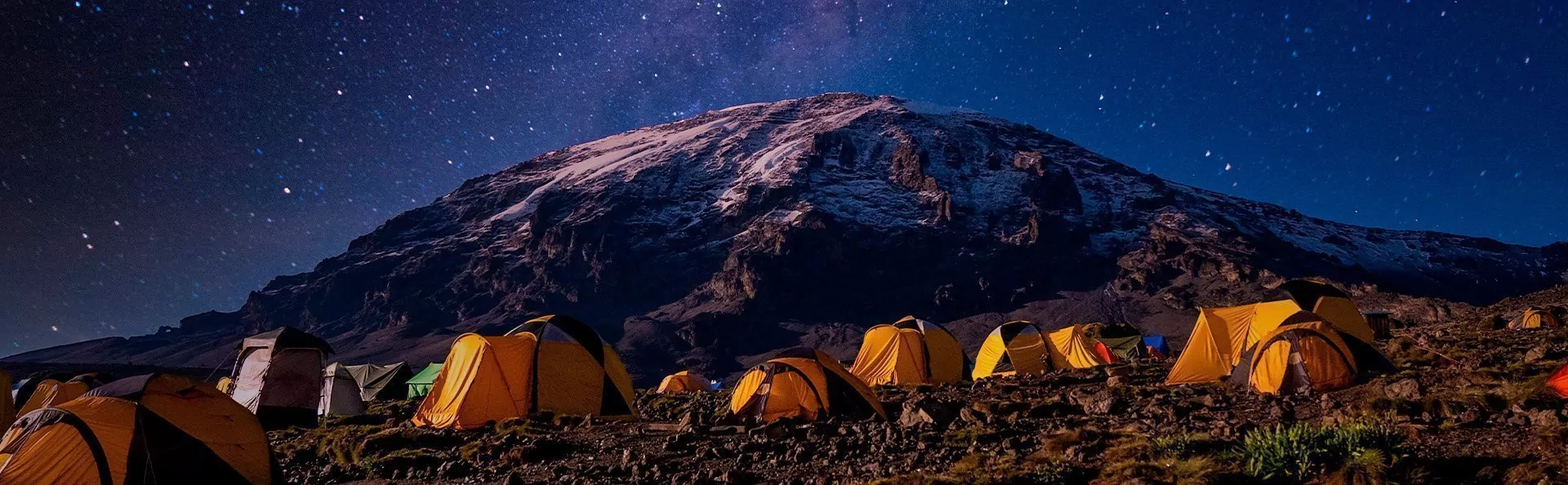
Mount Kilimanjaro offers several established trekking routes that lead to the summit at Uhuru Peak. Each route varies in scenery duration difficulty and acclimatization profile. Understanding these differences helps climbers select the best route for their 2026 or 2027 adventure while maximizing safety comfort and summit success.
Mount Kilimanjaro stands at 5895 meters and is the highest mountain in Africa. Every year thousands of climbers travel to Tanzania to attempt the journey to Uhuru Peak. Unlike technical mountains Kilimanjaro can be climbed without ropes or climbing equipment, but choosing the correct trekking route is extremely important for acclimatization and summit success.
There are several main routes used by climbers including Machame Lemosho Marangu Rongai and Umbwe. Each route offers different landscapes trekking styles and success rates. Some routes provide better acclimatization while others are shorter and more challenging.
The Machame Route is one of the most popular Kilimanjaro climbing routes. Often known as the Whiskey Route it approaches the mountain from the southern side and is famous for its scenic trails and varied landscapes.
The Lemosho Route is considered one of the most scenic routes on Mount Kilimanjaro. It begins on the western side of the mountain and crosses the spectacular Shira Plateau before joining the Machame Route.
The Marangu Route is the oldest and one of the most traditional routes on Kilimanjaro. It is unique because climbers stay in mountain huts rather than camping in tents.
The Rongai Route approaches Kilimanjaro from the northern side near the Kenya border. This route is quieter than the southern routes and offers a more remote trekking experience.
The Umbwe Route is one of the most challenging paths on Mount Kilimanjaro. It is steep and direct with less time for acclimatization which makes it more suitable for experienced climbers.
When planning a Kilimanjaro climb for 2026 or 2027 climbers should consider several factors including time available experience level and desired scenery. Longer routes such as Lemosho and Machame provide better acclimatization and therefore higher summit success rates. Travelers seeking comfort may prefer Marangu because of its hut accommodation while those wanting quiet trails might choose Rongai.
The best months for climbing Mount Kilimanjaro are January to March and June to October. These months usually offer clearer skies and better trekking conditions. Climbers planning expeditions for 2026 or 2027 often book well in advance to secure experienced guides and quality trekking support.
Climbing Mount Kilimanjaro is one of the most rewarding trekking adventures in the world. By choosing the right route and preparing properly climbers can experience the unique landscapes of Africa’s highest mountain and achieve the dream of standing on Uhuru Peak

 BASED IN TANZANIA
Contact us. We are always here to help
EMAIL US CHAT ON WHATSAPP