

100% refundable deposits Pay Online Now
100% refundable deposits Pay Online Now

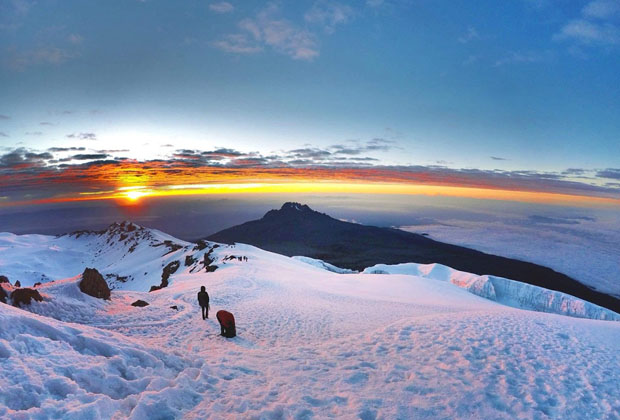
This is the complete and practical guide to climbing Mount Kilimanjaro in 2026 and 2027 created by Mbega African Safaris for travelers planning a safe successful and rewarding summit experience Whether you are a first time climber or an experienced hiker this guide explains everything you need to know from route selection to preparation and summit success
Mount Kilimanjaro is the highest mountain in Africa and one of the most achievable high altitude peaks in the world In 2026 and 2027 improved trail management ethical trekking standards and expert local guiding make this an ideal time to climb Kilimanjaro These years also offer flexible group departures and better acclimatization focused itineraries
The best months to climb Kilimanjaro are January to March and June to October These periods provide stable weather clearer skies and higher summit success rates January and February are quieter and slightly colder while June to October offers drier trails and excellent visibility
Choosing the right route is one of the most important decisions when planning your climb Each route offers different scenery difficulty levels and acclimatization profiles
The Machame Route is the most popular option known for its scenic beauty and strong acclimatization profile It is ideal for climbers seeking higher success rates and varied landscapes
The Lemosho Route is considered the best route for acclimatization and scenery It is less crowded and offers excellent summit success especially on longer itineraries
The Marangu Route is the only route with hut accommodation It is often chosen by beginners but requires proper acclimatization planning to improve success
The Rongai Route approaches Kilimanjaro from the north It is quieter and suitable during wetter months offering gradual elevation gain
Climbing Kilimanjaro does not require technical climbing skills but it is physically and mentally demanding Altitude is the main challenge rather than terrain Proper pacing acclimatization and hydration are essential for success
Acclimatization is the key factor in reaching the summit Safaris that include extra days and gradual altitude gain significantly increase success rates Walking slowly staying hydrated and following guide instructions are critical
Packing correctly ensures comfort and safety Essential items include layered clothing insulated jackets hiking boots gloves headwear sleeping gear and personal medications All equipment should be tested before the climb
Training should begin at least three months before the climb Focus on cardio endurance leg strength and long distance walking Hiking with elevation gain improves readiness and confidence
Professional local guides play a critical role in summit success Mbega African Safaris uses certified guides trained in altitude safety route knowledge and climber care A strong support team improves morale safety and overall experience
Group climbs are ideal for solo travelers and budget conscious climbers offering shared costs and team motivation Private climbs provide flexibility personalized pacing and customized itineraries Both options can be successful when well planned
Nutritious meals support energy and recovery Meals are designed to be high calorie easily digestible and suitable for high altitude conditions Proper nutrition supports acclimatization and stamina
Safety protocols include daily health checks oxygen monitoring and emergency response planning Reputable operators prioritize climber wellbeing and ethical porter treatment throughout the trek
Summit night begins around midnight and is the most challenging part of the climb Cold temperatures fatigue and altitude require determination and patience Reaching Uhuru Peak at sunrise is a life changing achievement
After descending climbers receive summit certificates and enjoy well deserved rest Many travelers combine their climb with a Tanzania safari or Zanzibar beach holiday
Mbega African Safaris is a trusted local operator specializing in Kilimanjaro climbs with a strong focus on safety ethical trekking and client success Our itineraries are designed to maximize acclimatization comfort and summit achievement
How long does it take to climb Kilimanjaro Most routes take six to eight days depending on acclimatization
Do I need climbing experience No prior climbing experience is required but good fitness is recommended
What is the success rate Longer routes with proper acclimatization have higher success rates
Planning early ensures better route availability experienced guides and optimal preparation Climbing Mount Kilimanjaro is a once in a lifetime adventure and proper planning makes all the difference
How high is Mount Kilimanjaro Mount Kilimanjaro stands at five thousand eight hundred ninety five meters above sea level making it the highest mountain in Africa
Can beginners climb Mount Kilimanjaro Yes beginners can successfully climb Kilimanjaro with proper preparation a good guide and enough acclimatization days
What is the safest route to climb Kilimanjaro Routes with longer duration such as Lemosho and Machame provide better acclimatization and higher safety levels
Do I need oxygen to climb Kilimanjaro Supplemental oxygen is not required for most climbers Guides carry emergency oxygen for safety purposes only
How cold does it get on the summit Temperatures on the summit can drop well below freezing especially at night Proper gear is essential
What is the minimum age to climb Kilimanjaro The recommended minimum age is ten years depending on fitness and altitude tolerance
Use strong internal links to improve SEO and user navigation Recommended anchor phrases include Kilimanjaro climbing routes Machame route climb Lemosho route trekking Marangu route hiking Kilimanjaro group climbs private Kilimanjaro climb and best time to climb Kilimanjaro
Each route page should link back to the main Kilimanjaro climbing guide to strengthen topical authority and improve ranking performance
All images should include descriptive alt text using natural keywords Examples include climbers on Mount Kilimanjaro summit Machame route trail scenery Kilimanjaro group climb summit day and Lemosho route landscape
Image filenames should match keywords such as kilimanjaro machame route hike or lemosho route summit trek
The Machame Route is one of the most successful Kilimanjaro climbing routes due to its excellent acclimatization profile and scenic diversity This route passes through rainforest moorland alpine desert and glacier zones
Machame is ideal for climbers seeking high summit success and dramatic landscapes It is well suited for group climbs and private expeditions
The Lemosho Route is widely considered the best route on Kilimanjaro for acclimatization and scenery It begins on the western side of the mountain and offers quiet trails and gradual altitude gain
This route is recommended for climbers who want the highest chance of reaching the summit comfortably
The Marangu Route is known for its hut accommodation making it suitable for climbers who prefer sleeping indoors It is a direct route and requires careful pacing to manage altitude
Extra acclimatization days are strongly recommended to improve success on this route
The Rongai Route approaches Kilimanjaro from the northern side and is less crowded It is ideal during wetter months and offers steady elevation gain
This route is suitable for climbers seeking a quieter experience
Routes differ in scenery acclimatization crowd levels and success rates Longer routes with gradual ascent offer higher summit success Shorter routes require stronger altitude tolerance
Mbega African Safaris recommends routes based on fitness experience and travel goals rather than speed alone
Group climbs are cost effective and social offering shared support and motivation They follow fixed departure dates and standardized itineraries
Private climbs provide flexibility custom pacing and personalized schedules They are ideal for families couples and climbers with specific needs
Essential items include waterproof hiking boots layered clothing insulated jackets gloves hats headlamps trekking poles and personal medication
Proper gear improves comfort safety and summit performance
Training should focus on endurance leg strength and long distance walking Stair climbing hill hikes and multi day trekking improve readiness
Consistency matters more than intensity when preparing for Kilimanjaro
Ethical climbing practices ensure fair wages proper equipment and safe working conditions for porters Mbega African Safaris follows responsible tourism standards
Supporting ethical operators contributes to sustainable mountain tourism
Many climbers extend their trip with a Tanzania safari or Zanzibar beach holiday Combining mountain and wildlife experiences creates a complete African adventure
Popular safari extensions include Serengeti Ngorongoro and Tarangire
Early planning allows better route selection proper training and optimal preparation Choosing experienced local guides increases safety and success
Climbing Mount Kilimanjaro is a life changing experience and preparation is the key to success
 BASED IN TANZANIA
Contact us. We are always here to help
EMAIL US CHAT ON WHATSAPP